Envision plunging into the deep blue water, with nothing but the steady beat of your breathing to accompany you. The SCUBA regulator is a little but very complex piece of equipment that allows for this peaceful underwater exploration. However, how did this technical marvel go from crude blueprints to the sophisticated, dependable machines of today? The development of the SCUBA regulator is a fascinating story of creativity and invention, replete with significant turning points that have transformed scuba diving. The history of the SCUBA regulator is one of unwavering human curiosity and the pursuit of underwater adventure, from the groundbreaking days of Jacques Cousteau to the state-of-the-art developments of the twenty-first century.
Initial Attempts at Submerged Breathing Devices
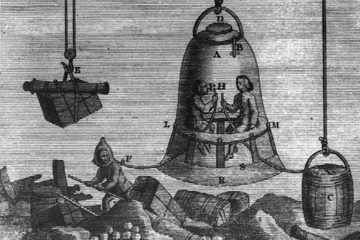
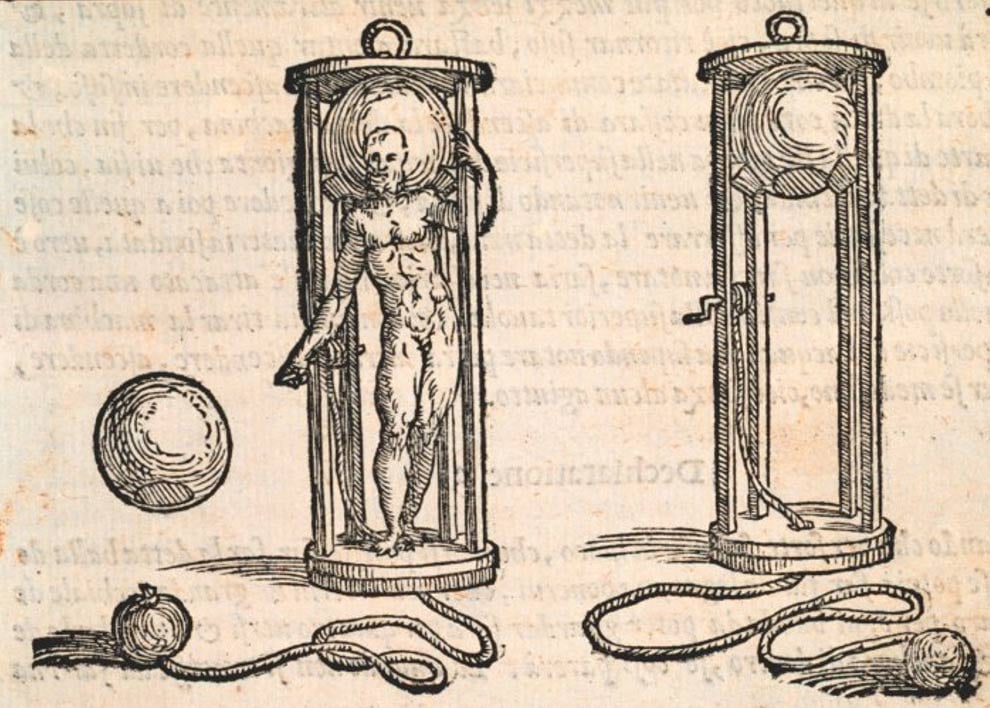
For millennia, mankind has been fascinated by the idea of breathing underwater. The diving bell is one of the first examples of a working underwater breathing device, dating back to the 16th century. By trapping air inside a big bell-shaped container, the diving bell enabled divers to stay below for longer than they could have with only one breath. However, the diving bell’s heavy construction restricted its depth and mobility, emphasizing the need for a more workable approach.
Aqualung: The Origin of Modern SCUBA
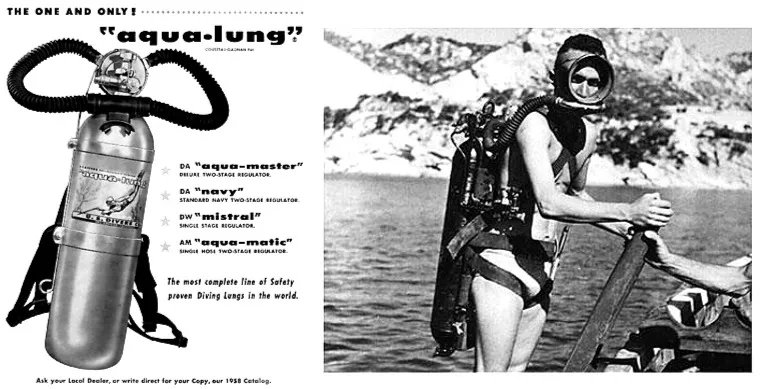
Early in the 20th century, SCUBA (Self-Contained Underwater Breathing Apparatus) diving came into being. The creation of the Aqualung in 1943 by engineer Émile Gagnan and French navy commander Jacques-Yves Cousteau was one of the most important turning points. The first open-circuit SCUBA system was the Aqualung, which let divers breathe in pressurized air from a tank and release it into the water.
Principal Developments of the Aqualung
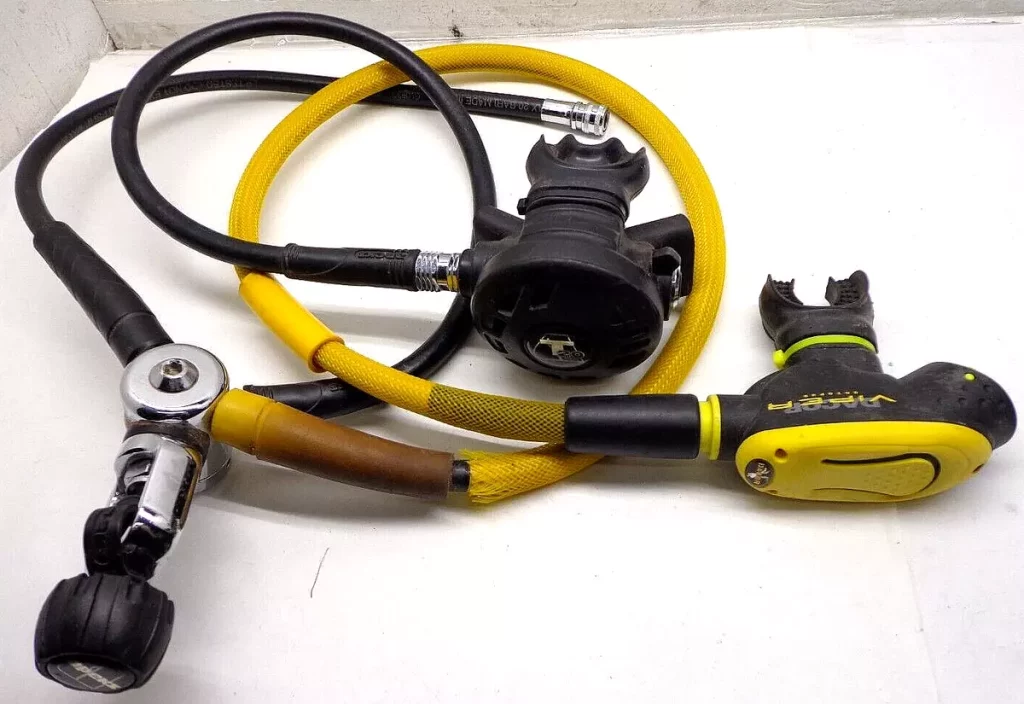
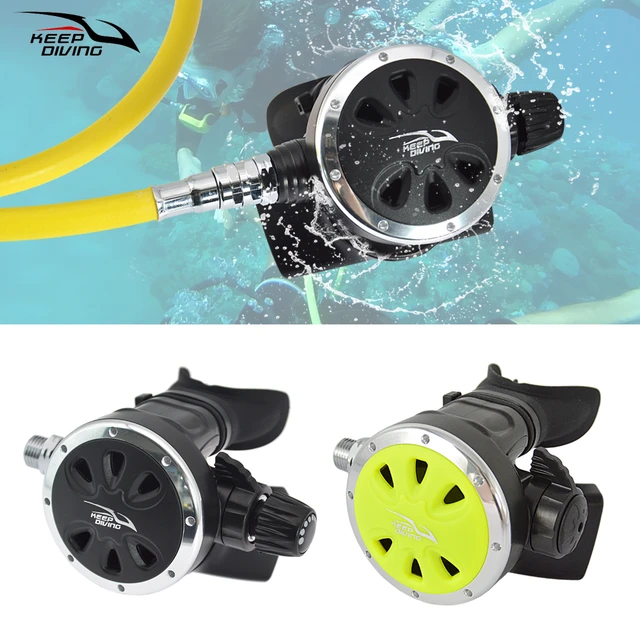
- Demand Regulator: An innovation in diving technology, the Aqualung included a demand regulator. The diver was guaranteed a steady and controlled air supply by the regulator, which only released air when the diver breathed.
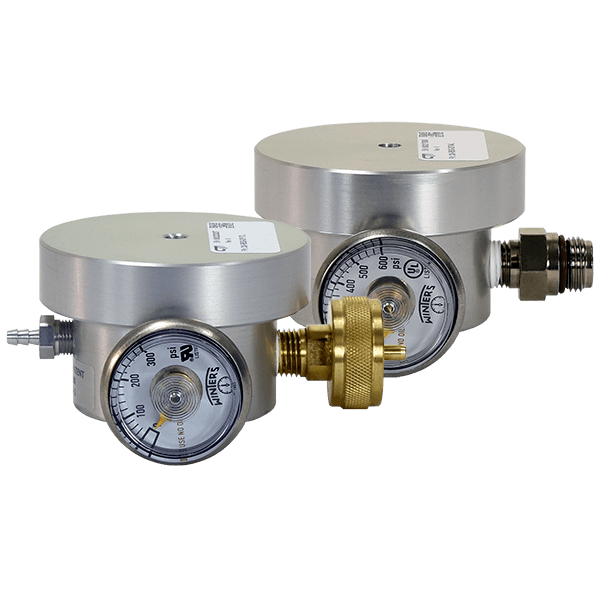
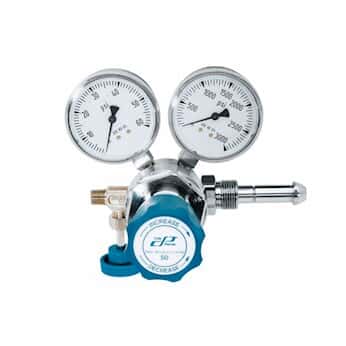
- Two-Stage Regulator: The Aqualung was regulated in two stages. The high pressure of the air in the tank was lowered to an intermediate pressure in the first step. Breathing was pleasant at different depths thanks to the second stage, which was housed in the mouthpiece and further decreased this intermediate pressure to meet the ambient water pressure.
Developments and Commercialization Following the War
Because of Cousteau’s popularization efforts, the Aqualung and its underlying technology spread quickly after World War II. Manufacturers started to hone and improve regulator design as recreational diving gained traction in order to increase safety, dependability, and user-friendliness.
Regulators: Single-Hose vs Double-Hose
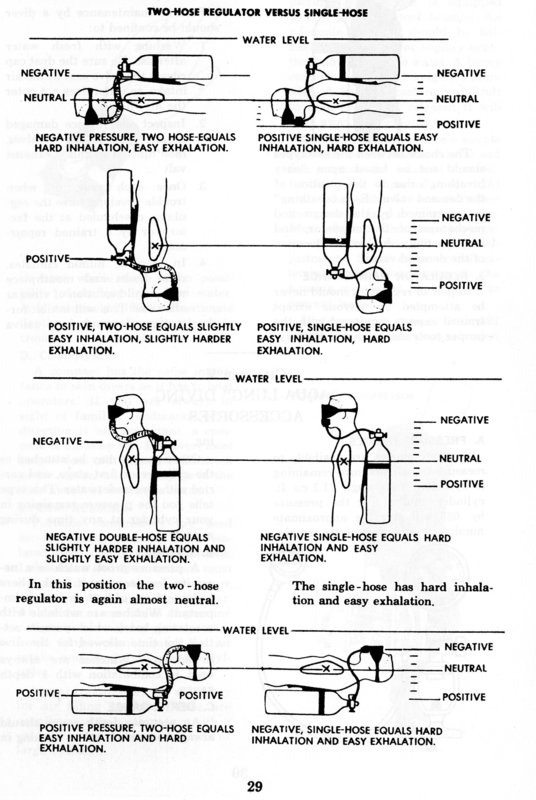
The mouthpiece and tank were connected by two sizable hoses in the majority of early regulator designs, known as double-hose designs. But a major breakthrough came with the invention of single-hose regulators in the 1950s. More streamlined single-hose regulators reduced drag and increased diver movement. This design took hold as the industry standard and is still widely used today.
Technological Progress in Regulator Architecture
Regulators: Balanced and Unbalanced
The distinction between balanced and unbalanced regulators is a significant technological advancement in the regulator field.
- Unbalanced Regulators: Early regulators were unbalanced, which meant that breathing became more difficult as tank pressure dropped. During a dive, this might cause discomfort and tension.

- Balanced Regulators: Regardless of tank pressure, balanced regulators maintain a constant breathing effort, making diving more secure and pleasant. SCUBA regulator performance and dependability were greatly enhanced by this invention.
Ecologically Concealed Regulators
For the early regulators, diving in harsh situations, including polluted waters or frigid waters, presented difficulties. These problems were resolved with the development of environmentally sealed regulators, which kept impurities and water out of the internal parts. This development improved robustness and dependability, enabling divers to investigate a larger variety of habitats.
Features that are User-Friendly and Adjustable
The diving experience is improved by the many tunable and user-friendly features included in modern SCUBA regulators. Among them are:
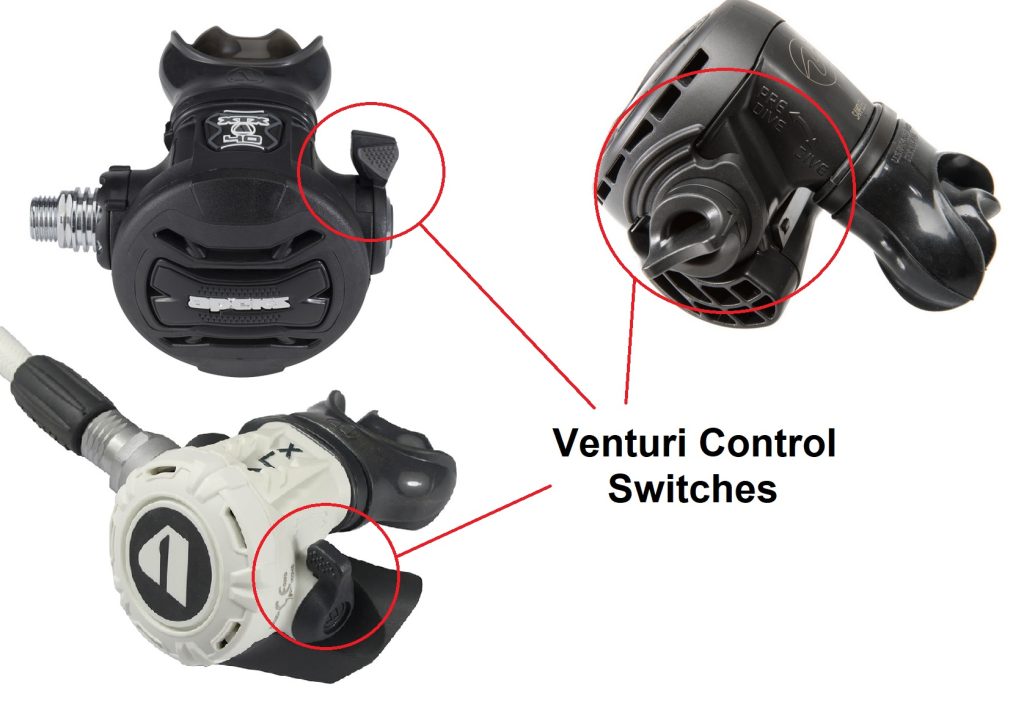
- Venturi switches: These let divers modify the airflow to reduce free flow and maximize the effort expended when breathing.
- Purge Valves: Make it simple for divers to remove water from the regulator.
- Adjustable Second Stages: Offer the capacity to customize the breathing resistance, guaranteeing comfort in a range of circumstances and depths.
Standards and Safety
The creation of safety certifications and standards has been intimately linked to the development of SCUBA regulators. Strict rules have been established by organizations such as the European Committee for Standardization (CEN) and the American National Standards Institute (ANSI) to guarantee the dependability and safety of diving equipment. Divers may feel secure in their equipment since these standards address testing protocols, manufacturing methods, and performance measurements.
Future Prospects for SCUBA Regulators
SCUBA regulators are continually evolving as technology develops. Upcoming innovations consist of:
-
Digital integration is the process of combining sensors and digital displays to deliver data in real time on depth, air consumption, and other important parameters.
-
Improved Materials: The application of cutting-edge materials to increase performance, decrease weight, and improve durability.
-
The creation of smart regulators, which automatically modify airflow and breathing effort in response to a diver’s activity and depth.
Pioneering human creativity and unwavering exploration are demonstrated by the creation of the SCUBA regulator. Regulators have developed to provide divers with a safe, dependable, and pleasant way to breathe underwater. They started with the Aqualung and have continued to this day. We’ll be able to explore and appreciate the undersea environment to a greater extent in the future thanks to fascinating advancements that will further progress technology. Happy and safe diving!