An essential piece of gear for propulsion and maneuverability is the fins. Divers usually have to choose between two main types of fins: open-heel and full-foot. Each variety has unique attributes, advantages, and considerations. This article will go over the differences between open-heel and full-foot fins so you can make an informed decision based on your diving needs and preferences.
Open-heeled fins
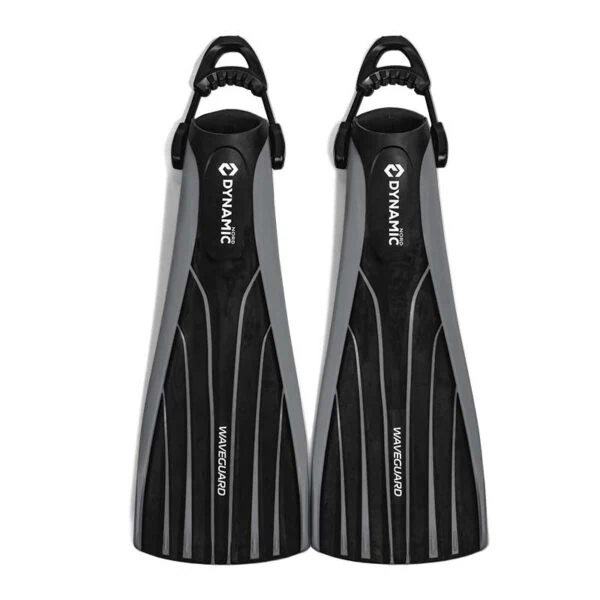
Features and Design:
Open-heel fins have an adjustable strap that wraps around the back of the diver’s heel. These fins are usually worn in tandem with neoprene diving boots, which provide protection and insulation for the feet. Their easy-to-adjust design allows them to fit a wide range of foot sizes and ensures a secure fit.
Benefits
- Versatility: Open-heel fins may be employed in a wide range of water temperatures and situations due to their extreme versatility. When paired with these fins, diving boots provide additional protection against chilly water and rugged terrain.
- Adjustability: The straps may be adjusted to accommodate a variety of foot shapes and sizes, providing a personalized fit. They are therefore a great option for divers who rent gear or lend out their fins to others.
- Durability: Open-heel fins are frequently more resilient to wear and tear due to their sturdy design. Frequent divers can use the fins and boots since they are resistant to severe situations.
- Protection: The feet are shielded by dive boots against coral, sharp objects, and other dangers. This is especially crucial for shore dives, as the divers might have to cross jagged or uneven terrain.
Taking A Look
- Weighing less than full-foot fins, open-heel fins are often thicker and heavier when used with dive boots. Due to their increased suitcase size, this may be something to think about when traveling.
- Cost: Open-heel fins are frequently more expensive than full-foot fins, particularly when diving boots are taken into account.
Full Foot Fins
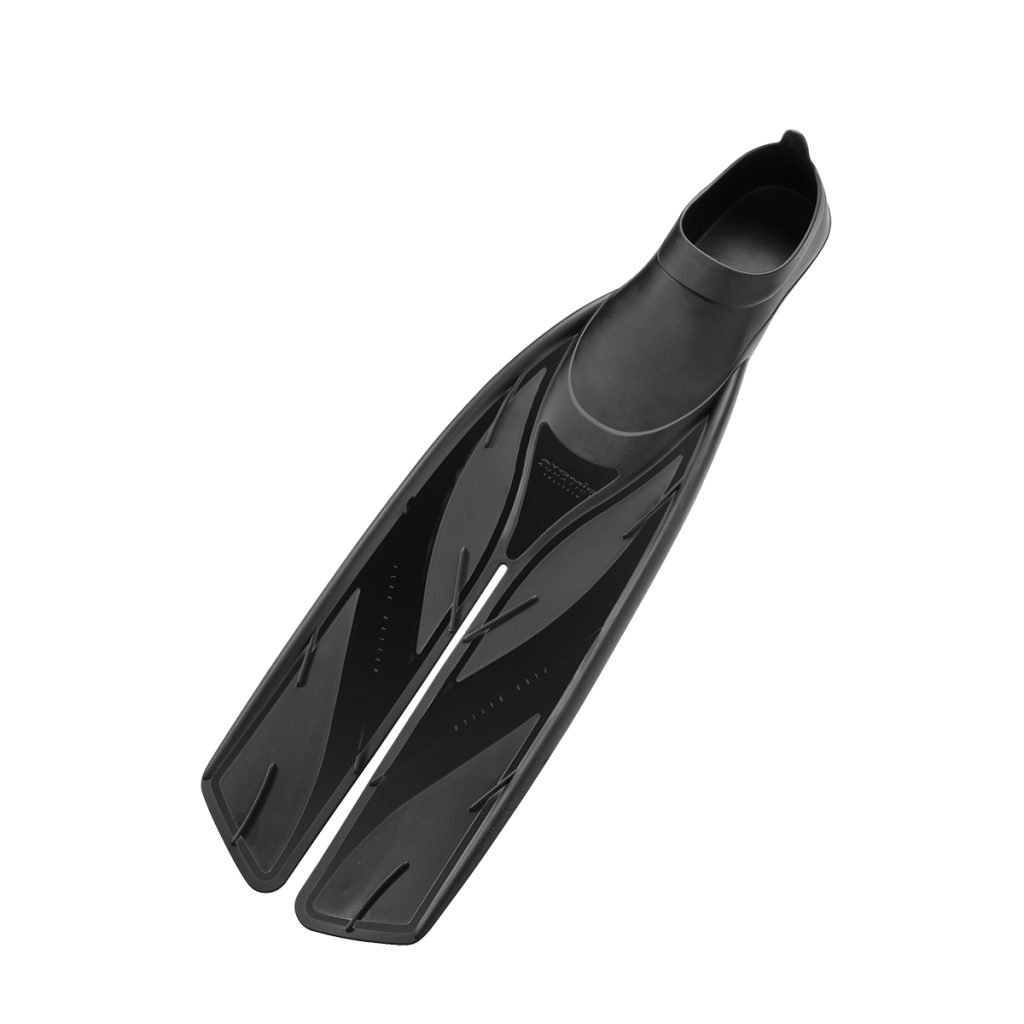
Structure and Elements
Like a tight-fitting shoe, full-foot fins are meant to be worn directly on bare feet. Their closed heel helps hold the fin to the foot, and they are usually lightweight.
Benefits
- Lightweight and Compact: Compared to open-heel fins, full-foot fins are often lighter and more compact. They fit easily in your diving backpack and are therefore perfect for travel.
- Easy to Use: Full-foot fins are simple to put on and take off, removing the need for extra diving boots. This simplicity might be useful for short snorkeling or diving trips.
- Cost-Effective: Full-foot fins are a cost-effective choice for recreational divers since they are frequently less costly than their open-heel equivalents.
- Efficiency: Full-foot fins are useful for swimming in warm water because of their snug fit, which may transmit energy from the leg to the fin efficiently.
Taking A Look
- Insufficient Protection: Full-foot fins provide very little protection for the feet in the absence of diving boots. These conditions, which have sandy or smooth entrance sites, are ideal for warm water diving.
- Proper fit and comfort are essential for full-foot fins to prevent blisters and pain. Wide feet, high arches, or other anomalies in the foot might make this difficult for divers.
- Temperature Restrictions: Because full-foot fins lack the insulation necessary to keep your feet warm, they are not the best choice for cold water diving.
Selecting Your Perfect Fins
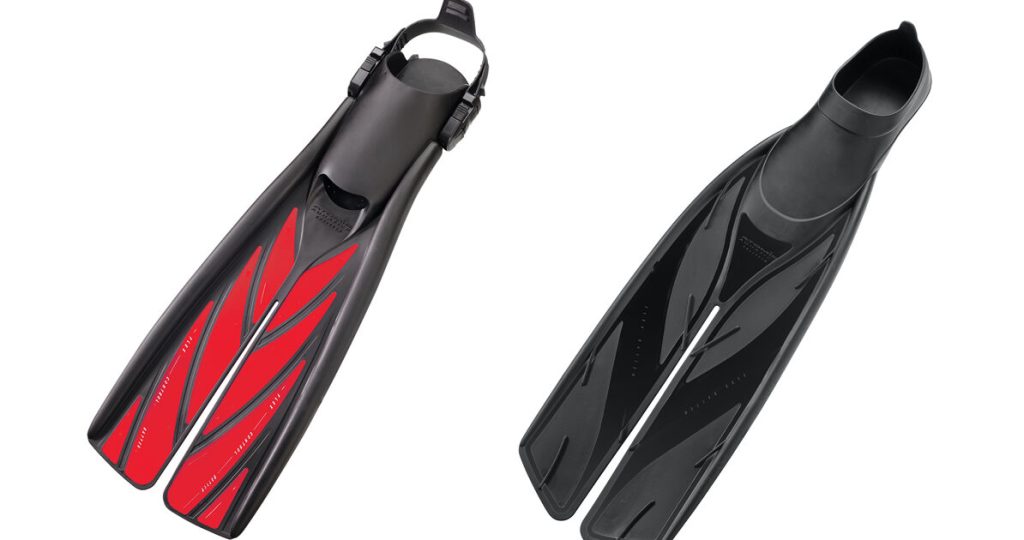
Which kind of fins you should use—full-foot or open-heel—will ultimately depend on your diving style, diving environment, and personal preferences. When you make your decision, consider the following questions:
-
In what location do you often dive? Open-heel fins and diving boots may provide the necessary protection and insulation if you dive in rough or cold water on a frequent basis. Complete foot fins may be more practical and pleasant in tropical and warm water environments.
-
When was the last time you traveled? Full-foot fins’ small size and lightweight might make transporting them easier if you travel regularly for diving. Open-heel fins are more versatile in a range of circumstances while being bigger.
-
Do you consider adaptability to be most important? Open-heel fins may be adjusted to fit a variety of foot shapes and sizes if you rent equipment or share fins. Full-foot fins need to fit more precisely.
-
What is the amount you have set aside? While open-heel fins and the requisite dive boots might be a more substantial expenditure, full-foot fins are often more reasonably priced.
Open-heel and full-foot fins are intended to improve your underwater experience, and each has advantages. You can select the fins that will best support your diving adventures by being aware of the differences and taking into account your own needs. This will ensure that you are comfortable and effective, and have fun beneath the waves. Happy and safe diving!