Oxygen toxicity is a critical concern in diving, particularly for those using enriched air Nitrox or engaging in technical dives with mixed gases. Mismanagement of oxygen levels can lead to severe consequences, including seizures and lung damage. This article explores the principles of oxygen toxicity, effective dive planning strategies, and the role of advanced sensor technology in mitigating risks.
Understanding Oxygen Toxicity
Oxygen toxicity is a condition wherein high partial pressures of oxygen (PPO₂) are harmful to the body. The two most important manifestations of the condition include:
1. Central Nervous System (CNS) Toxicity:
– Symptoms include visual disturbances, nausea, twitching, dizziness, and convulsions.
– CNS toxicity is caused by high PPO₂, typically above 1.6 ATA (atmospheres absolute), for a relatively short duration.
2. Pulmonary Toxicity:
– It results from long exposure to high partial pressures of PPO₂.
– Symptoms range from chest discomfort, coughing, and loss of lung capacity.
Both types depend on various factors, including depth, time, breathing gas composition, individual susceptibility, and environmental conditions.
Dive Planning for Oxygen Toxicity Management
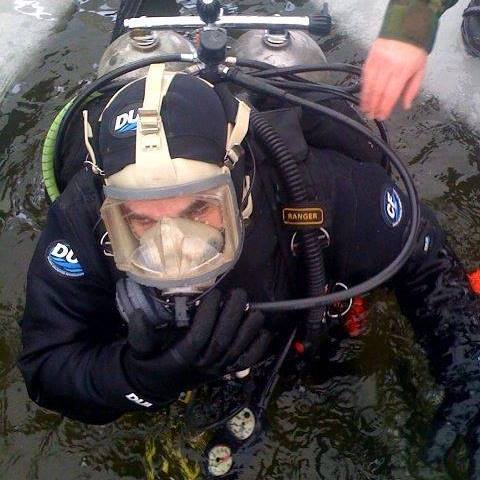
Dive planning is a necessary step to avoid oxygen toxicity. The following strategies will assist the diver in managing risks:
1. Monitor PPO₂ Levels:
– PPO₂ should not exceed 1.4 ATA during the working phase of the dive and 1.6 ATA during decompression stops.
– Employ oxygen exposure calculators or dive computers to stay within safe limits.
2. Observe Oxygen Exposure Limits (OTUs):
– OTUs are a measure of cumulative exposure. Monitor OTUs over multiple dives to avoid long-term toxicity.
3. Optimize Gas Mixtures:
– Enriched air nitrox in recreational diving reduces nitrogen narcosis risk but increases oxygen exposure; proper training and analysis of the gas blend are important.
– Technical divers using heliox or trimix mixes must balance oxygen levels carefully with other inert gases.
4. Plan Conservative Dive Profiles:
– Limit depth and duration to minimize PPO₂ exposure.
– Add extra margins of safety for cold-water or high-stress dives that increase the risk of oxygen toxicity.
5. Emergency Preparedness:
– Establish a plan for contingencies involving symptoms of oxygen toxicity, including dive abortion and slow ascent.
– Bring along necessary equipment, such as redundant gas supplies.
Sensor Technology in Breathing Systems
Modern sensor technology is at the heart of oxygen toxicity management by enabling real-time monitoring of gas composition and PPO₂. Some key developments include:
1. Oxygen Sensors:
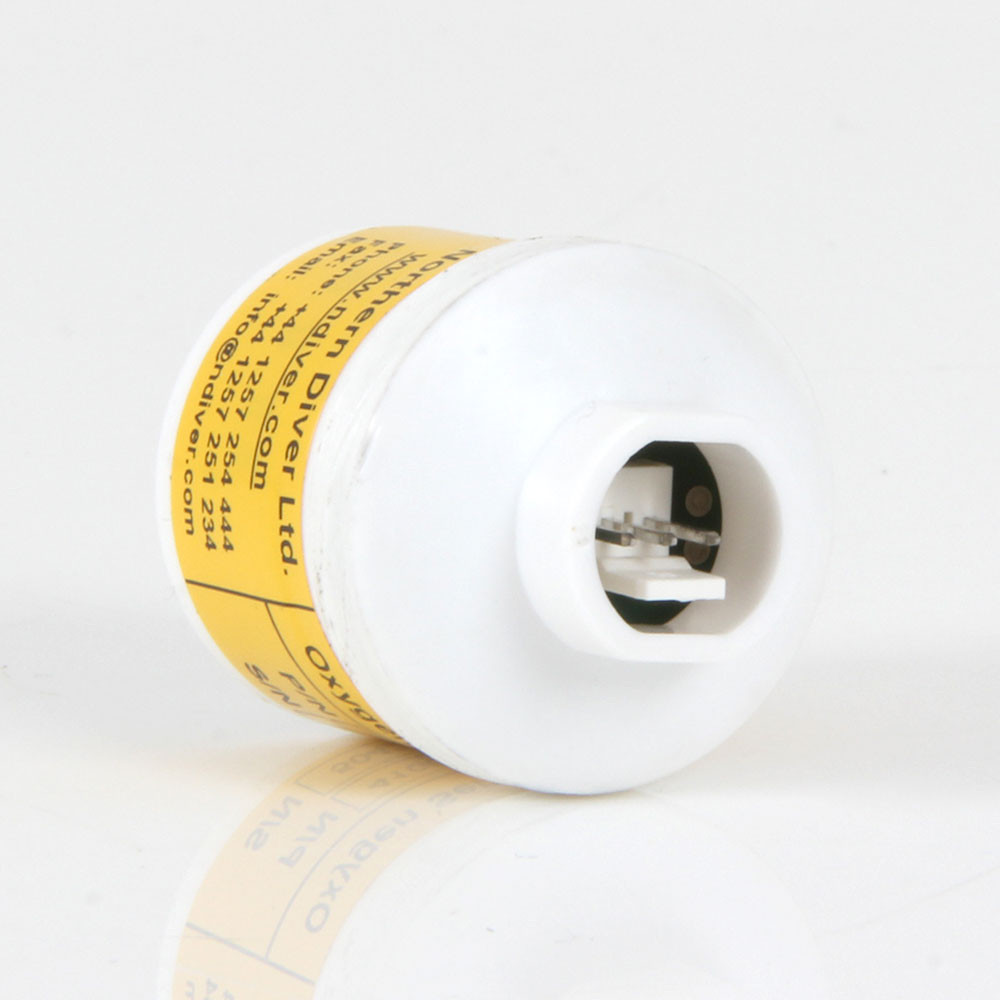
– The standard electro-galvanic oxygen sensors are fitted to all rebreathers and gas analyzers. These sensors provide a reading of PPO₂ and warn the diver if levels approach unsafe limits.
– Sensors should be regularly calibrated by divers to maintain accuracy.
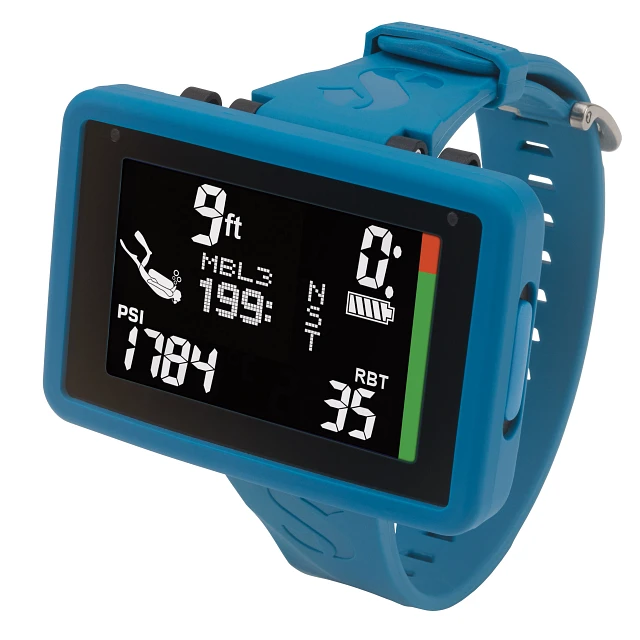
2. Integrated Dive Computers:
– Most dive computers feature an array of advanced features, including the tracking of PPO₂, CNS exposure, and threshold alarms.
– Some will also allow customization of set points for the different phases of a dive.
3. Rebreather Systems:
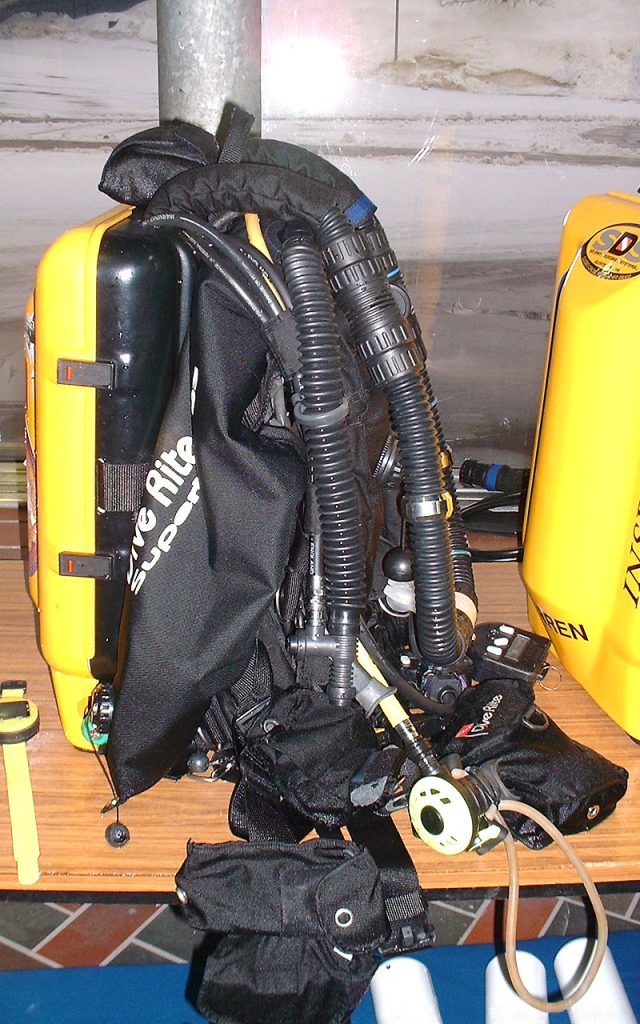
– In closed-circuit rebreathers (CCRs), oxygen is injected automatically, adjusting to maintain preset levels of PPO₂.
– Dual or triple oxygen sensor configurations provide redundancy, reducing the likelihood of sensor failure causing inaccurate readings.
4. Gas Analyzers:
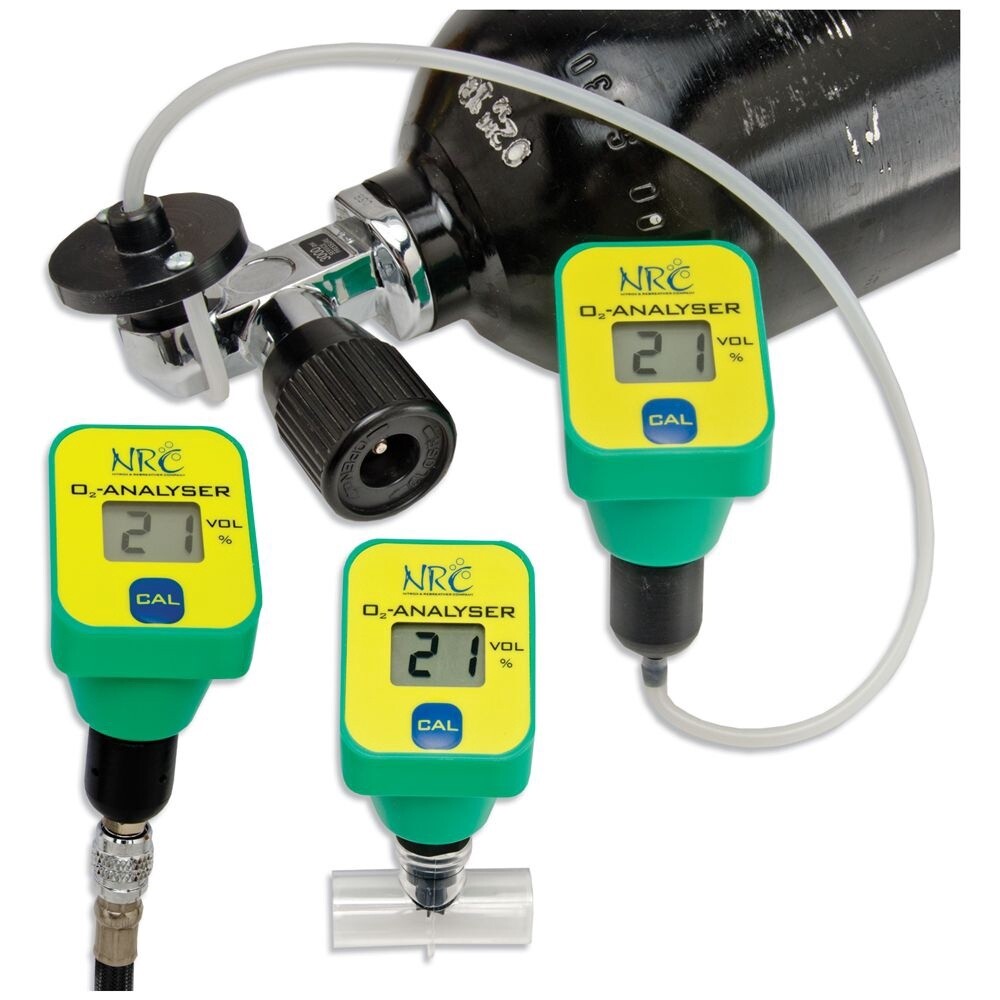
– Portable gas analyzers are indispensable in verifying nitrox or trimix blends before dives. These devices measure oxygen and helium percentages to ensure proper gas composition.
5. Data Logging and AI:
Advanced dive computers now also include data logging and AI algorithms that can predict oxygen exposure trends and provide dive profile recommendations.
Best Practices in Deploying Sensor Technology
1. Regular Maintenance:
– Oxygen sensors should be replaced at intervals recommended by the manufacturer to prevent sensor drift.
– Sensors should be inspected and calibrated prior to each dive.
2. Understand System Limits:
– Understand the depth and PPO₂ operating range of your equipment.
– Employ redundant systems for life-supporting components.
3. Stay Informed:
– Stay abreast of developments in sensor technology and integrate them into your dive planning.
4. Training:
– Specialized training in the use of rebreathers, gas analyzers, and advanced dive computers.
– Training in oxygen toxicity emergency drills.
Management of oxygen toxicity remains a cornerstone of safe diving, especially with today’s enriched gases and depth exposures that continue to push the boundaries. Dive planning, driven by PPO₂ limits and oxygen exposure calculations, has become an important mitigating factor. At the same time, advances in sensor technologies offer the diver accurate and real-time data to improve their safety. Such a combination of thorough preparation and state-of-the-art tools enables divers to fearlessly venture into the underwater world while protecting their health and well-being.