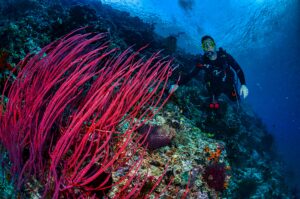
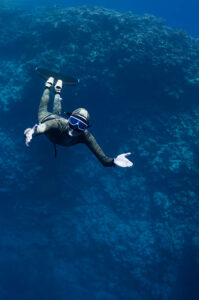
Monitoring depth is a very important aspect of industries like subsea exploration, oil and gas drilling, environmental monitoring, and even recreational diving. They work under the principle of measuring the pressure exerted on them that could then be converted to depth, hence the name “pressure gauge” or “pressure sensor.” However, these devices hardly operate under accurate and reliable conditions; and with variable and sometimes extreme pressure conditions, this article presents the importance of such devices with regard to depth monitoring and explores their performance in variable pressures regarding accuracy, reliability, and influencing factors.
Understanding Depth Monitoring
Depth monitoring is the vertical measurement from a reference point-sea level to environments where pressure varies as depth increases. The more the meter depth with respect to the water level for an object or sensor, the greater the pressure upon it. That added pressure is generally estimated as being approximately equal to 1 ATM or 14.7 psi for every 10 meters descended, or about 33 feet. Accurate depth measurement becomes essential for navigation, environmental monitoring, underwater construction, and safety protocols in deep-sea exploration.
Questions of depth include pressure, which is at a given depth related to the surrounding water pressure column plus the density of the water column above, and diverse influences, such as temperature and salinity. In turn, this pressure will be measured by the pressure gauges and sensors, the depth of which shall be calculated.
From underwater gauges to sensors, several of these pressure gauges and sensors have a variety of functions for measuring depth and, therefore, have their strengths and weaknesses:
Bourdon Tube Pressure Gauge
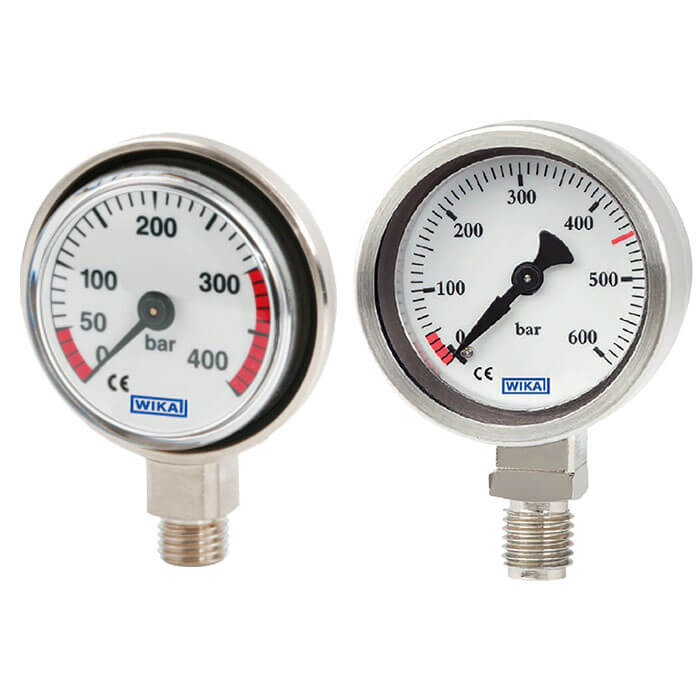
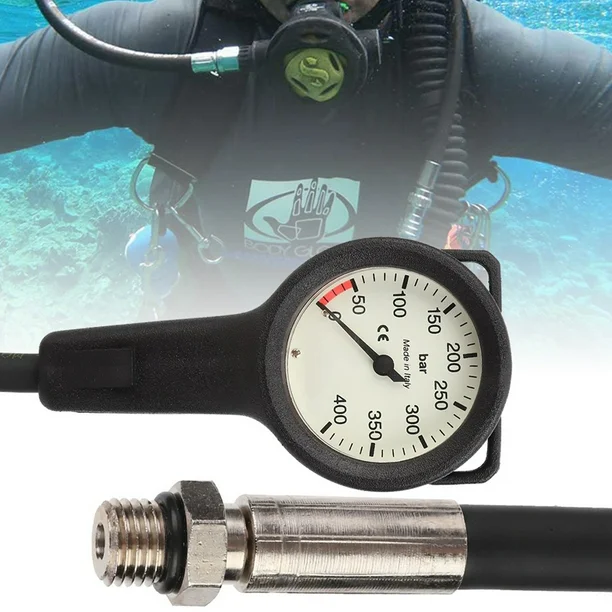
This mechanical pressure gauge utilizes a curved metal tube, known as the Bourdon tube, which straightens when pressure is applied. It is used for shallow measurements or in places where highly accurate measurement is not needed. Deep installation will wear the mechanical parts and affect the reliability of this type of gauge.
Diaphragm Pressure Sensors
Diaphragm sensors have a deformable flexible membrane surface that deforms with pressure in order to convert this deformation into an electrical signal. Diaphragm sensors are accurate and employed at moderate depths, but require materials with high corrosion resistance due to saltwater exposure.
Piezoelectric Pressure Sensors
Such kinds of sensors are sensitive to mechanical stress and provide a response in terms of electric charges. Highly accurate and widely used to measure pressure levels during deep-sea exploration as well as at other places where the measurement of pressure is very crucial. They deteriorate performance under extreme conditions and may, therefore, require specific calibrations.
Strain Gauge Sensors
In the simplest sense, they measure the external deformation of any object under load by converting the deformation into an electrical signal. Strain gauge sensors are highly important in making precise marks on depth measurements, both deep in water and shallow. Their sensitivity to atmospheric conditions like temperature and vibration, however, hampers their reliability.
Digital and Smart Sensors
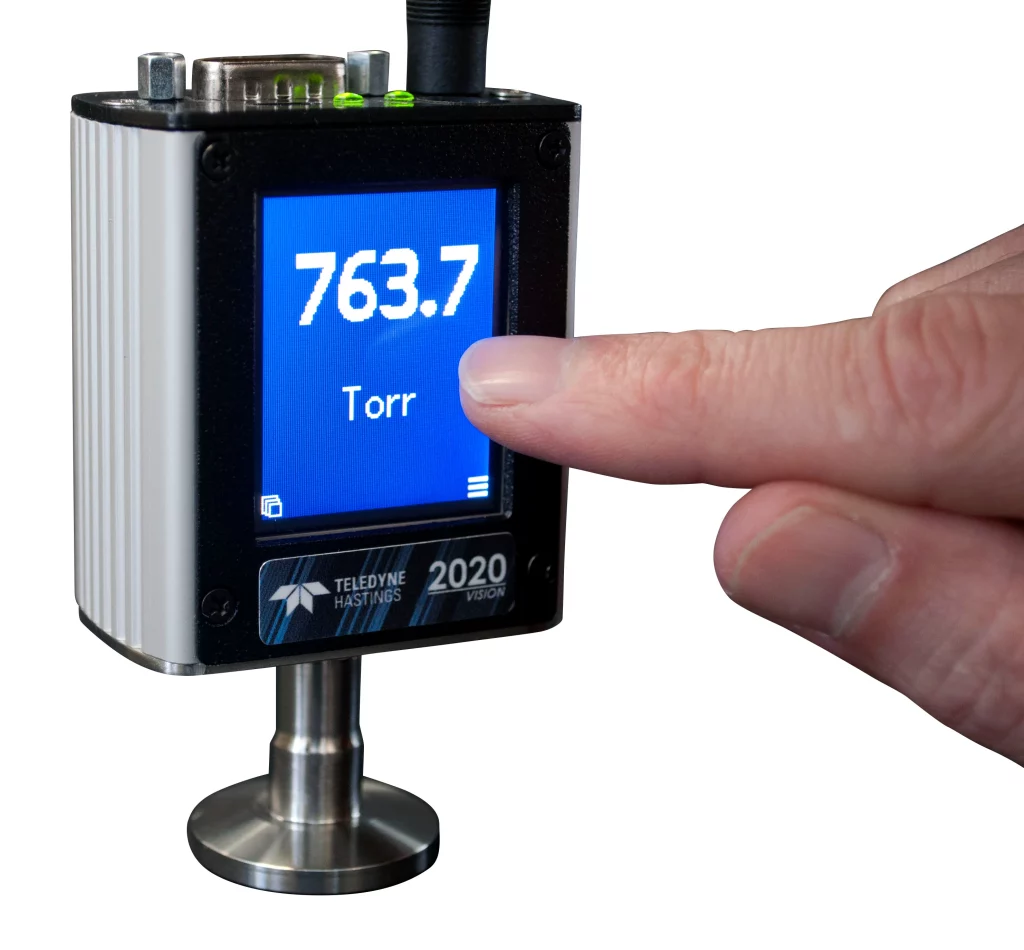
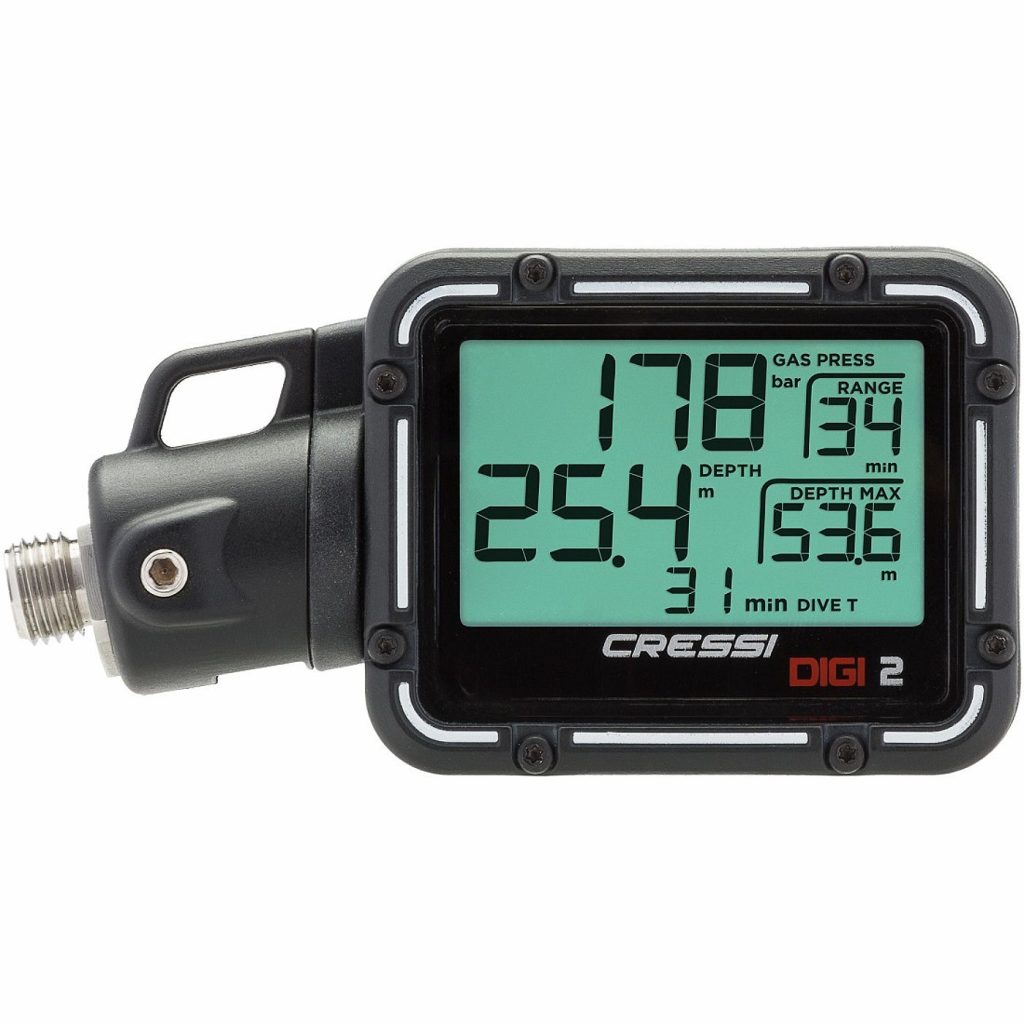
Digital pressure sensors, such as those found in state-of-the-art measurement systems for depth, also have the ability to log their data and provide real-time feedback. Such sensors allow for connectivity using wired forms of communication in wired sensor networks.
Boosting Trustworthiness and Reliability of Accuracies at Various Pressures
Temperature Variation: Temperature change differentiates between the pressure sensor within a water medium. The increase in temperature causes changes in the density of water, which in turn results in the modification of hydrostatic pressure on sensors at a specific depth. More so, the materials that are in the sensor might expand or contract. As a result, this causes drift or induces a non-linear reading. To overcome these disadvantages, a number of contemporary sensors feature temperature compensation models.
Salinity and Water Density: The variable salinity has some effect on the increase in the density of seawater. During salinity increase, the density of water increases; therefore, this correlates with an increase in pressure even if the depth remains constant. Thus the sensors should be calibrated not only for depth but also in consideration of salinity variations, for different geographical regions.
Sensor Calibration: Accuracy is determined by the calibration of the sensors. All sensors used within these extreme limits of pressure during operation, as well as those located in very harsh environments, must be recalibrated frequently to ensure their readings remain true and accurate. Drift will occur in the measurements as a result of the action of many factors such as corrosion, wear, and fouling, and so that will cause undisputable measurements.
Drift and Long-Term Stability: A pressure sensor may drift over time, and that is, its reading becomes gradually inaccurate over time. Long-term stability matters most in deep-sea exploration where recalibration or sensor replacement would be costly and impractical. High-quality sensors, which are well protected from environmental damage, render them more efficient in minimizing the stability of measurements over long periods.
Water Depth and Pressure Range: The deeper the application goes, the higher the pressure facing the sensor.
Applications of Pressure Gauges and Sensors in Depth Monitoring
Oil and Gas Industry
Accurate depth measurement for drilling operations is important in the oil and gas industry, and now pressure sensors have been used in boreholes for the measurement of the pressure due to surrounding rock and fluid. Well conditions, depth, and existence of oil or gas reserves could thus be determined, allowing operators to adjust drilling parameters.
Subsea Exploration
Pressure has been laid upon the different depths from the above water into the deep sea research and exploration under the sea, where a pressure sensor monitors the water pressure. It helps to collect data for making some observations regarding the physical properties of the ocean floor and the dynamics of deep-sea ecosystems.
Diving and Underwater Activities
In recreational diving, depth measurement is one of the critical parameters that ensure the safety of the diver as well as navigation. Most of the depth gauges associated with dive computers supply divers in real-time with information on their present depth. The same equipment is also capable of keeping track of time and decompression limits.
Monitoring Environment
Pressure sensors are usually applied to measure changes in the environment, such as water levels in rivers, lakes, and seas. The meters give information that can help to determine flooding, ongoing sea-level rise, or even studies of some aquatic ecosystems.
Depth calls for accurate and dependable pressure gauges and sensors in an application across all industries. It expands the need for exactness and the robustness of such apparatus as pressure changes occur with depth. The sensor has been engineered to withstand environmental challenges, such as extremes of temperature, salinity, and high pressures, as advancement in technology progresses. And with all those evolvements, these technologies indeed enable higher rel.