You finally booked that scuba diving trip you’ve been dreaming about for years. The crystal-clear water, colorful reefs, and abundant sea life are calling your name. As an avid recreational diver, you know the importance of safety when venturing into the deep. The maximum depth for recreational diving is 130 feet, so you’ll want to make the most of exploring the reefs and wrecks within recreational limits.
Don’t worry, with some planning and the right mindset, you’ll have an amazing dive experience while still putting safety first. The key is going slowly, observing wildlife at your own pace, and soaking in the underwater scenery. Rushing leads to missing out on little details and increases risks. Keep your buoyancy under control, monitor your air supply and depth gauge regularly, and ascend slowly during your safety stop. Follow these tips, and you’ll come back with incredible memories of your underwater adventure. The countdown is on—get ready to slip below the surface into a whole new stunning world. Adventure awaits!
Why Recreational Diving Is Limited to 130 Feet
As much fun as deep diving can be, there are good reasons recreational diving limits depths to 130 feet. At depths greater than 130 feet, the risks to your safety and health increase exponentially.
For one, the air you breathe is under higher pressure the deeper you go, which means more nitrogen enters your bloodstream during descent. This nitrogen can cause nitrogen narcosis, impairing your judgment and coordination. Deeper dives also increase your chances of decompression sickness, or “the bends”, where nitrogen forms painful bubbles in your joints and tissues.
Beyond 150 feet, oxygen toxicity becomes a life-threatening risk. Too much oxygen under pressure can cause seizures, and in rare cases, death. The deeper you go, the less bottom time you have before needing to ascend slowly to avoid decompression sickness. This limits how much you can explore.
Equipment also becomes more difficult to operate at greater depths, and failures are more likely. Recreational diving gear isn’t built to withstand the high pressures found in deeper water. For most recreational divers, the risks of diving beyond 130 feet far outweigh the rewards. By staying within recreational limits and learning proper safety techniques, you can have years of amazing adventures discovering the wonders of the underwater world—all while avoiding a dangerous trip to the decompression chamber! Focus on honing your skills, planning exciting dives, and investing in quality gear. The depths will still be there when you’re ready.
For most recreational divers, the risks of diving beyond 130 feet far outweigh the rewards. By staying within recreational limits and learning proper safety techniques, you can have years of amazing adventures discovering the wonders of the underwater world—all while avoiding a dangerous trip to the decompression chamber! Focus on honing your skills, planning exciting dives, and investing in quality gear. The depths will still be there when you’re ready.
How to Have an Enjoyable Dive Within 130 Feet
To have an enjoyable recreational dive within the 130-foot limit, focus on the experience rather than depth. There’s plenty to appreciate without going deep!
-
Choose a scenic location
Pick a dive site known for abundant sea life, colorful reefs, or shipwrecks. The backdrop will make your dive memorable. Some highly-rated shallow reef dives include the Great Barrier Reef, Florida Keys, and Cozumel.
-
Take your time
Don’t rush to go deep. Relax and explore at your own pace. Meander over reefs, examining corals and small creatures in cracks and crevices. Watch fish in their natural habitat. Photography or videography are great ways to slow down and fully immerse yourself in the underwater world.
-
Look for macro life
Shallow, well-lit reef areas are perfect for spotting smaller marine animals, or “macros.” Nudibranchs, shrimp, crabs, and octopuses are fascinating to discover. Use a magnifying glass or close-up lens to get a good view.
-
Practice buoyancy control
Maintaining neutral buoyancy takes practice. Work on hovering in place without kicking up sand or damaging coral. Perfect buoyancy control opens up a whole new level of diving enjoyment and environmental awareness.
-
Stay within recreational limits
For safety, follow guidelines for maximum depth and bottom time. Don’t be tempted to push limits, even if you’re feeling comfortable. Your safety is the top priority so you can have many more great dives! Shallow, unhurried dives focused on the experience allow you to discover the vibrant underwater world within recreational limits. When done right, 130 feet is all you need for an incredible dive.
Staying Safe When Diving at Depth Limits
When recreational diving, it’s critical to remain within the 130-foot depth limit and follow all safety precautions to avoid serious injury. At depths beyond 130 feet, the risks to your health and safety increase exponentially. But by diving responsibly, you can still have an amazing experience exploring the underwater world.
Check Your Gear
Double-check that all your scuba equipment is properly functioning before diving, especially at maximum depths. Make sure your BCD inflator, pressure gauge, and regulators are all working correctly. Check that your air tank has plenty of air for your planned dive duration. It’s also a good idea to do a quick check of your equipment at the surface once in the water before descending.
Pay Attention to Your Gauges
Keep a close eye on your depth gauge, pressure gauge, and timer to avoid exceeding 130 feet or staying down too long. Set a turnaround time for your maximum depth to start ascending. The deeper and longer you dive, the more nitrogen builds up in your body—so be cautious.
Ascend Slowly
When ascending from deeper dives, do so slowly to allow nitrogen to decompress from your body. Ascend no faster than 60 feet per minute. Making a rapid ascent can lead to decompression sickness, also known as “the bends.” Take safety stops on the way up, like pausing for 3-5 minutes at 15-20 feet.
Stay with Your Buddy
Never dive alone, especially at depth limits. Stay close to your dive buddy at all times in case of emergency. Know how to properly assist each other in the event of equipment malfunctions, rapid ascents, or injury.
By following these tips, staying within recreational depth limits, diving responsibly, and enjoying the experience, you’ll be well on your way to maximizing your fun and safety exploring the underwater world. The key is moderation and caution—don’t push the limits, even if tempted by what lies just a few feet deeper. Your health and safety depend on it.
Top 5 Locations for Recreational Diving at 130 Feet or Less
The recreational diving limit of 130 feet opens up lots of exciting options for adventure. Here are five of the top locations for amazing diving within recreational limits:
-
The Great Barrier Reef, Australia
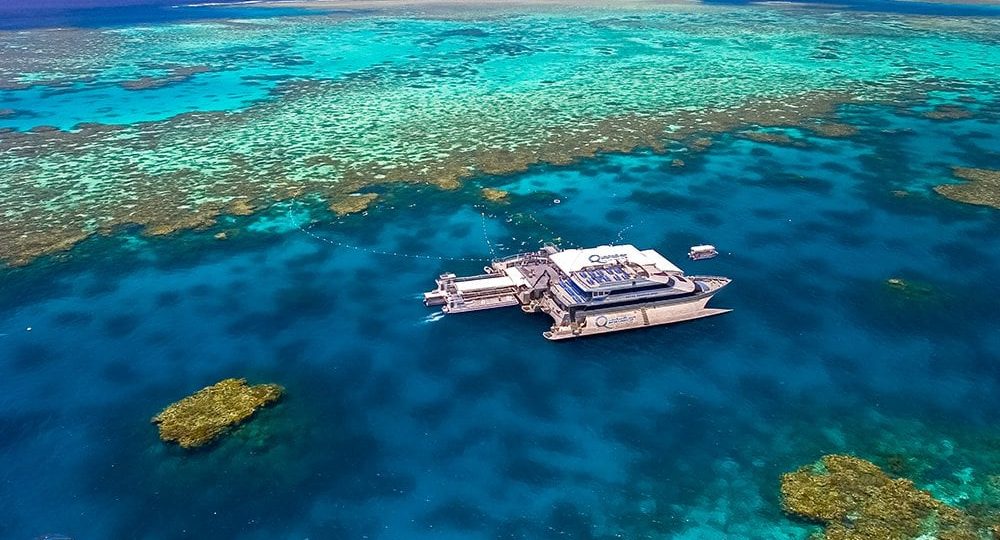
The largest coral reef system in the world, the Great Barrier Reef offers stunning beauty and diversity at shallow depths perfect for recreational diving. You can see tropical fish, sharks, rays, and sea turtles up close amid the coral gardens and bommies. Many day trips and liveaboard dive boats operate out of Cairns and Port Douglas to reef sites less than 100 feet deep.
-
Cozumel, Mexico
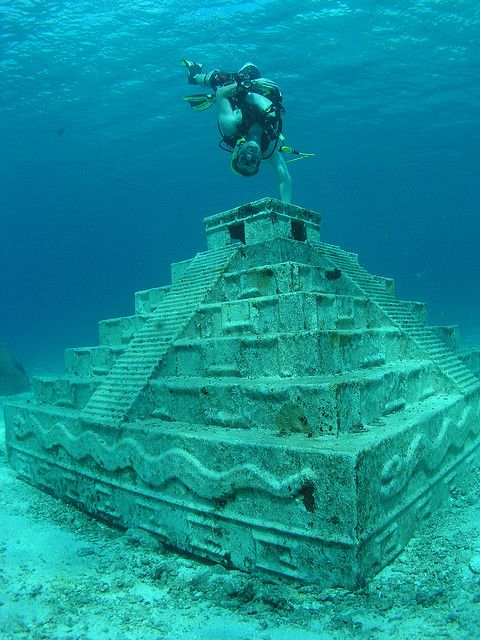
A diver’s paradise, Cozumel sits in the Caribbean Sea off the Yucatan Peninsula. It’s known for crystal-clear turquoise water, wall dives, and caverns—most within recreational limits. Head to Palancar Reef, Colombia Shallows or Santa Rosa Wall to spot eagle rays, barracuda, nurse sharks and colorful tropical fish in the 65- to 100-foot range.
-
Bonaire
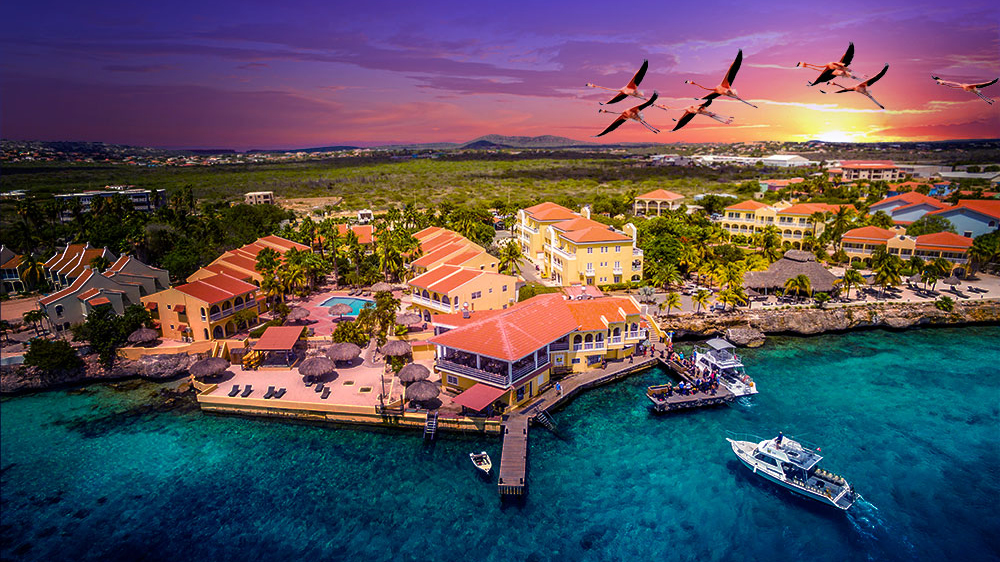
Just off the coast of Venezuela, the small island of Bonaire is ringed by pristine coral reefs, with over 80 official dive sites, almost all in the recreational range. Klein Bonaire offers gorgeous reef dives in just 10 to 60 feet of water. At Salt Pier, you can descend to 100 feet and spot seahorses, eels, and squid along the pier pilings.
-
Florida Keys, USA
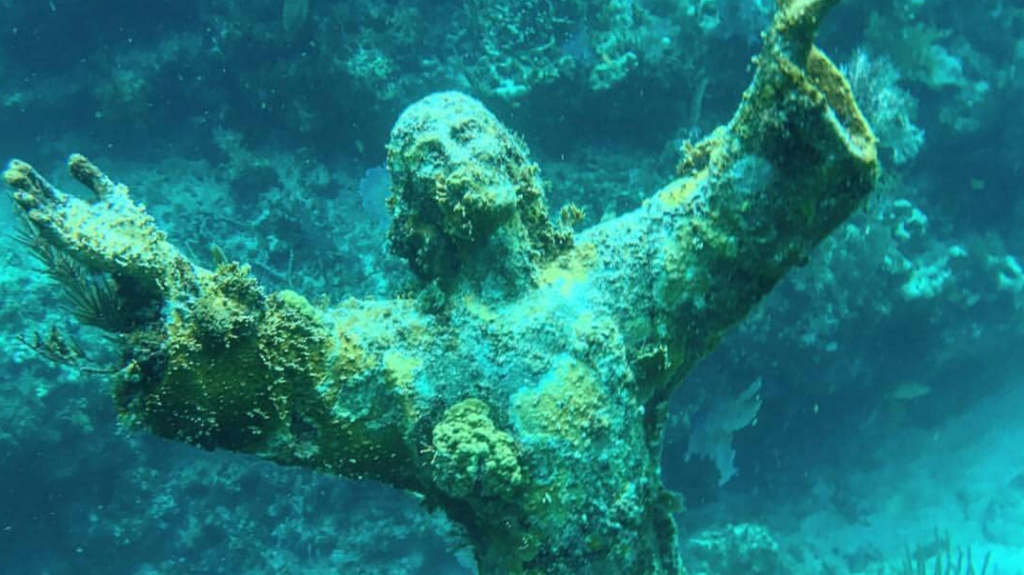
The Florida Keys boast the only living coral barrier reef in the continental US, with a huge range of dive sites within recreational limits. Explore historic shipwrecks, patch reefs and underwater rock formations while spotting massive sponges, sharks, goliath grouper and tropical fish. Most sites are in the 30 to 100-foot range. Key Largo and Islamorada are popular dive destinations.
Key Largo -
Red Sea, Egypt
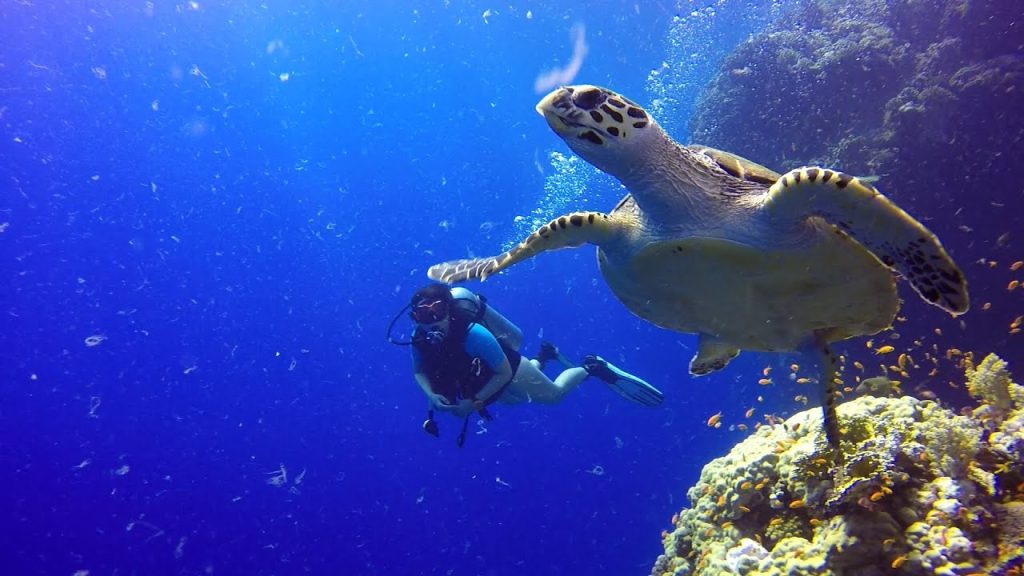
The Red Sea is renowned for its crystal-clear water, corals and wealth of marine life. There are numerous shallow reefs, drop-offs and shipwrecks at depths of 65 to 130 feet, perfect for recreational diving. Dive the colorful corals of Ras Mohammed National Park, the World War II shipwreck of the SS Thistlegorm, and the Canyon dive site, with reef sharks and schools of fish in a narrow gorge.
FAQ on Recreational Diving Regulations and Limits
As a recreational diver, you’re limited to a maximum depth of 130 feet for safety reasons. But don’t worry, there’s still plenty to see and experience within recreational limits! Here are some tips to maximize your fun while staying within regulations:
-
Choose an interesting dive site
Select a location with lots to see at shallower depths, like a reef, shipwreck, or kelp forest. Many popular spots have beautiful coral formations, fish, and other sea life within the first 60-100 feet. Do some research on dive sites in your area to find spots ideal for recreational diving.
-
Focus on photography or videography
If you’re into underwater imaging, you’ll have plenty to keep you occupied within 130 feet. Work on your skills by photographing or filming fish, coral, wrecks and more. The limited depth means you have more bottom time to spend composing shots.
-
Take a course
Continue advancing your skills through additional scuba instruction. Take a course to learn buoyancy control, underwater photography or videography, fish identification, or other specialties. The knowledge and experience you gain from courses will enhance your enjoyment of recreational dives.
-
Explore your equipment
Familiarize yourself with all aspects of your gear to build comfort and confidence as a diver. Try out different BCDs, regulators, wetsuits, or other equipment to find what works best for you. Understanding how each piece of gear functions will make you a safer diver, allowing you to focus on the experience rather than managing equipment.
-
Dive with others
Connect with your local dive community to find buddies. Diving with others is not only safer but often more fun. You can explore together, spot marine life for each other, and share the experience after the dive.
Following the recreational limits and regulations keeps you safe while still allowing for an exciting underwater adventure. Focusing on skills, equipment, and environments, and connecting with other divers will help ensure you have an enjoyable experience, even within the 130-foot limit.
So there you have it, the key things to keep in mind to have an amazing dive experience while staying within the recreational limit of 130 feet. Follow the guidelines, get the necessary certifications, choose an awesome dive spot, grab your gear, and get out there! The underwater world awaits you with wonders around every corner. Stay safe, listen to your body, don’t push your limits, and you’ll be enjoying recreational diving for years to come. The ocean is an incredible place, so take your time exploring and appreciating all the little details. Before you know it, you’ll be planning your next diving adventure to discover more of the mysteries below the surface. Dive in and enjoy!