In the silent depths of the ocean, far from day-to-day noise and stress, many find something more than a thrill or adventure-peace. With increasing awareness regarding mental health, the realization strikes that scuba diving as a sport is indeed immensely therapeutic. From the soothing effect of weightlessness to the magic of marine life, scuba diving is fast finding its place among people seeking clarity in the mind and balance in their emotions.
The Healing Power of the Ocean
Water has, for a long, been recognized to be therapeutically utilitarian. From the very ancient civilizations’ belief in the curing abilities of water to the modern conception of “blue mind”-the thought that proximity to water, either by being in or out of it, positively impacts mental health- people sought solace in the depths. Scuba diving takes that to a whole new level: full immersion, both physical and mental, into a tranquil environment fosters a sense of mindfulness and relaxation.
1. Relieving Stress by Sensory Isolation
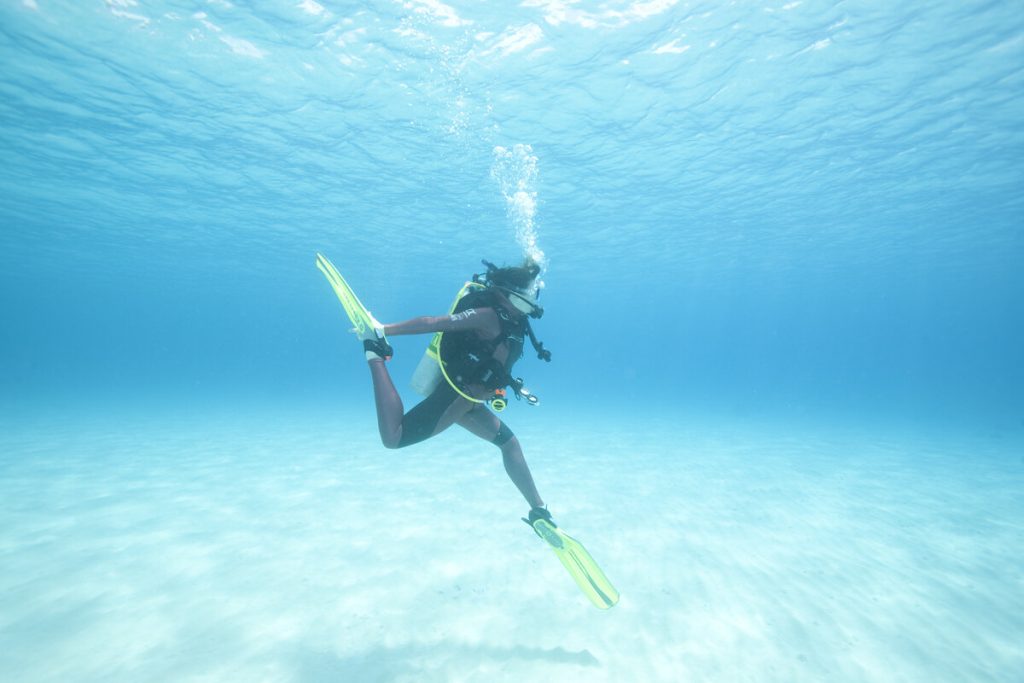
In diving, the world’s distractions stay behind. In the underwater world, there is nothing to hear except the rhythmic sound of one’s own breathing and the gentle rush of water. Such sensory isolation creates a unique kind of escape in which divers can completely disconnect from stressors in the surface world. The absence of noise, social media, and modern demands can be taken as one of the main effects that reduce anxiety and stress.
2. The Weightlessness Calmer
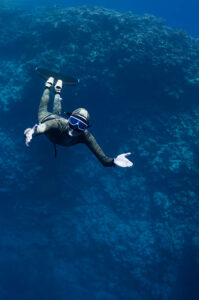
Weightlessness may be one of the most overwhelming physical sensations experienced during scuba diving. In water, the body is so light and free, just about as free as when floating in space. Such weightlessness can have a sedative effect, reducing physical tension to deep relaxation. A natural antidote against the physical rigidity that often occurs with stress and anxiety.
3. Breathing and Mindfulness
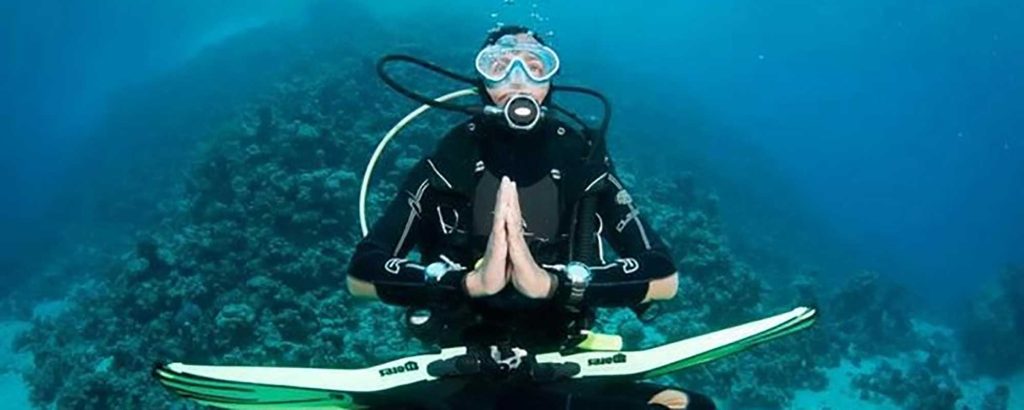
Scuba diving is a sport that requires one’s attention to slow, deep breathing, just like the various techniques of reduction of stress through meditation and yoga. Because divers need to conserve air and ensure a safe dive, they must breathe in a controlled, measured manner- inadvertently mirroring breathing exercises used in mindfulness practices. The emphasis on breathing through which the diver’s heart rate goes down, cortisol levels are lowered, and focus is brought to the present moment, naturally makes it a form of meditation.
4. Connection with Nature
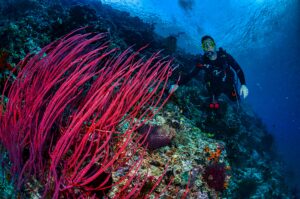
Nature has long been a potent healer, and scuba diving provides an instantaneous connection with one of its most astounding domains. Being underwater offers a very unique opportunity to come into direct contact with beauty through the intervention of marine life. It is a sight to see a colorful reef teeming with life, to glide alongside a school of fish, or to observe a majestic manta This is indeed an exercise in humility and restoration that fosters feelings of gratitude and wonder.
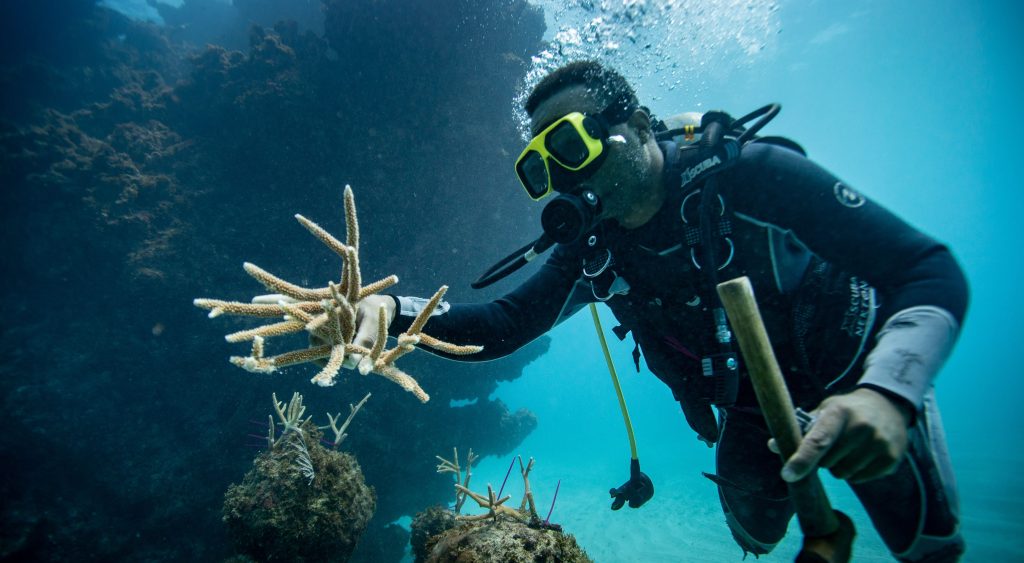
Scuba Diving for Mental Wellness Retreats
As many of the mental health benefits associated with diving have become more popular, scuba diving retreats directed at wellness are increasingly sought after. These kinds of camps enable divers not just to improve upon underwater skills but also to have them take up their mental and emotional well-being care in a nurturing environment.
1. Mindfulness-Based Diving Retreats
Some retreats have recently begun offering mindfulness-based diving programs that utilize scuba as a method of meditation. The divers will learn to get more into their breathing and surroundings, developing deep states of relaxation and clarity of mind both in the water and on land.
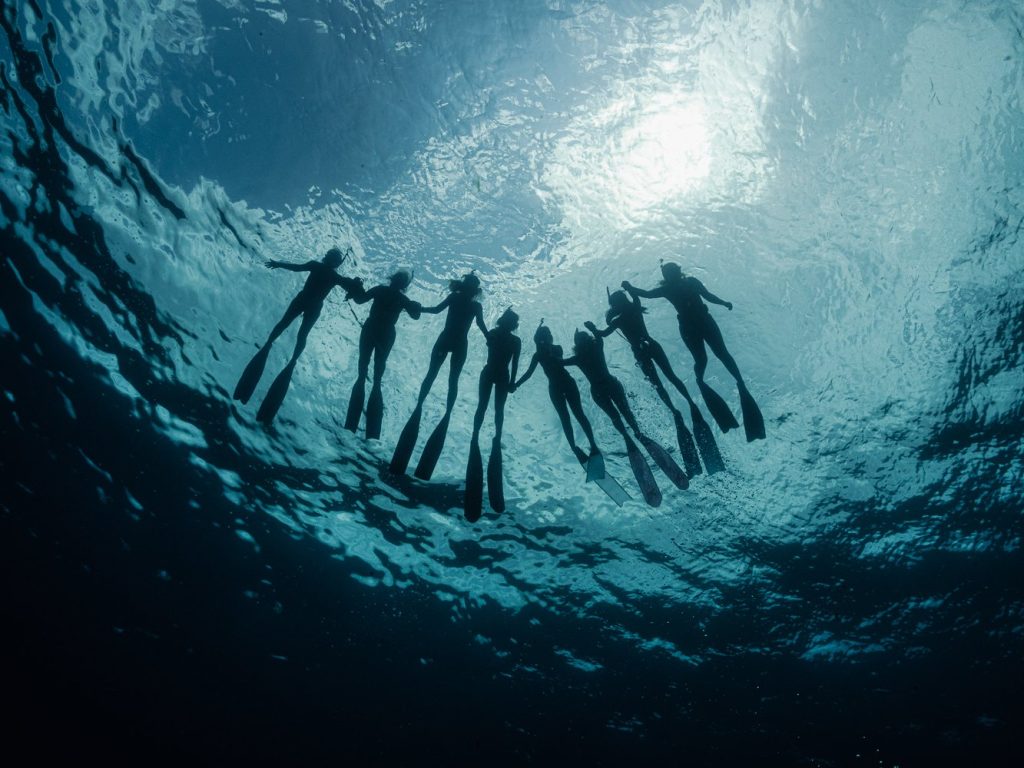
2. Yoga and Diving Fusion
Many of the wellness retreats combine yoga with scuba diving programs. Since yoga teaches controlling breath, increasing flexibility, and sharpening mental focus, this directly correlates to diving skills. Morning sessions of yoga are followed by guided dives; thus, the activities can be combined. It supports an integrated approach to mental and physical health.
Recently, scuba diving has also become noted to help trauma sufferers or those diagnosed with PTSD. Such organizations as Deptherapy and Soldiers Undertaking Disabled Scuba (SUDS) use diving as a therapeutic activity for veterans with physical or psychological trauma. This may be the pride of completing a dive in combination with the soothing nature of being underwater, which works positively in their mental recovery.
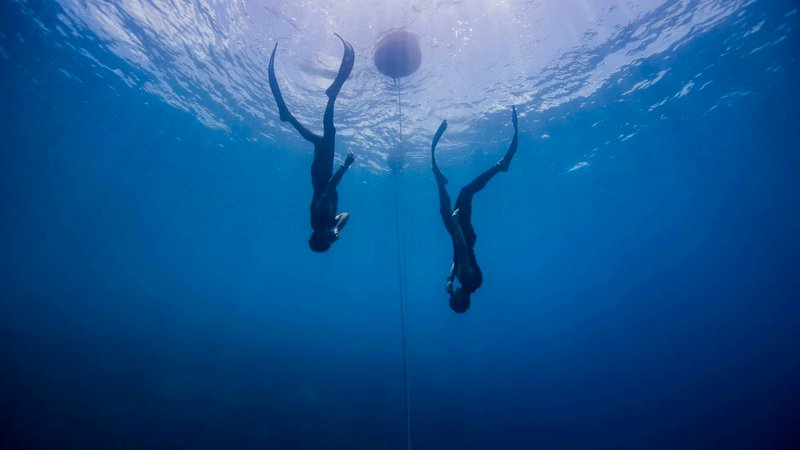
Scuba diving and mental health: an emerging field of research
Recent studies into the mental health benefits brought about by scuba diving do tend to confirm what many divers intuitively have known for years. A recent study at the University of Sheffield shows that scuba diving greatly improves one’s mood, reduces stress, and increases good feelings. Those interviewed afterward showed lower anxiety and depression levels after a few dives, with the more sustained diving, the greater the benefit of the feeling.
This is corroborated by another study published in the Journal of Human Performance in Extreme Environments, pointing out improvements in mental health and quality of life in participants with scuba diving therapy programs, especially those with PTSD or anxiety disorders.
While scuba diving may have traditionally been seen as something tantamount to adventure and exploration, it is only recently that its full potential as a means of enhancing mental health has begun to be realized. This balance of physical exercise, mindfulness, and relaxation because of the serenity of the underwater world creates a perfect environment for healing the mind. Whether one is an avid diver or a first-timer, the psychological benefits derived from diving give a real reason to dive deeper into the ocean and your well-being.
In a world that is always in stress and anxiety, scuba diving is an act that offers one time for mental escape, and emotional balance and reconnects one with nature. It is clear that as retreats and programs based on diving increase for better mental health, the underwater world offers a little bit more than just a thrill but forms a path leading to peace.