


Warm waters and an adequate supply of fish make the Indian Ocean a haven for scuba divers. From the coral reefs of the Maldives to the shipwrecks of Mauritius, the Indian Ocean serves up a multiple-course menu of diving possibilities at all skill levels. A catalog of the top dives in the Indian Ocean follows, each with a special offer for underwater explorers.
1. Maldives: A Diver’s Dream
The Maldives features at the top of a diver’s bucket list because the nation’s 26 atolls have some of the most brilliant coral reefs in the world.
The Best Dive Sites:
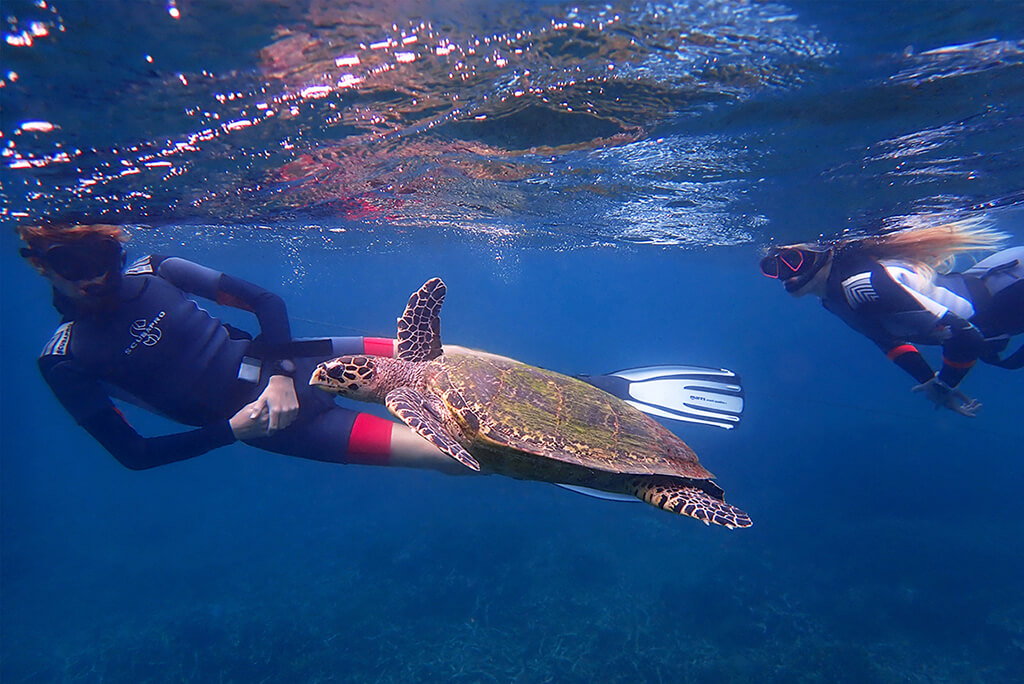
- Maaya Thila: Once known for its abundant marine life, featuring white-tip reef sharks, turtles, and myriad colorful reef fish.
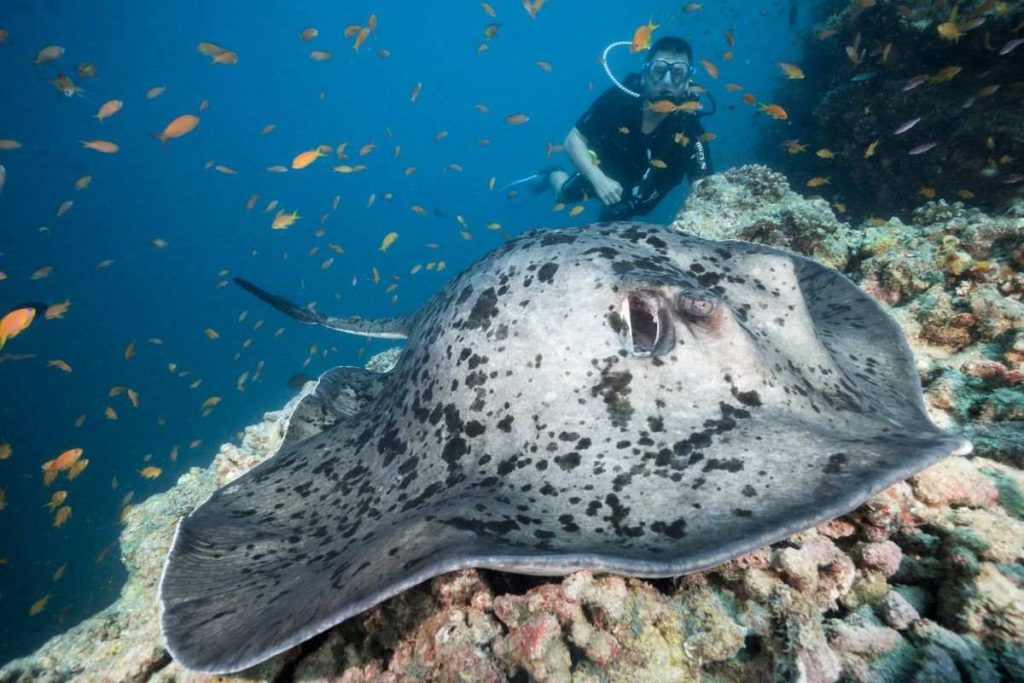
- Banana Reef: One of the most famous dive sites within the Maldives, it offers overhangs, caves, and dramatic cliffs.
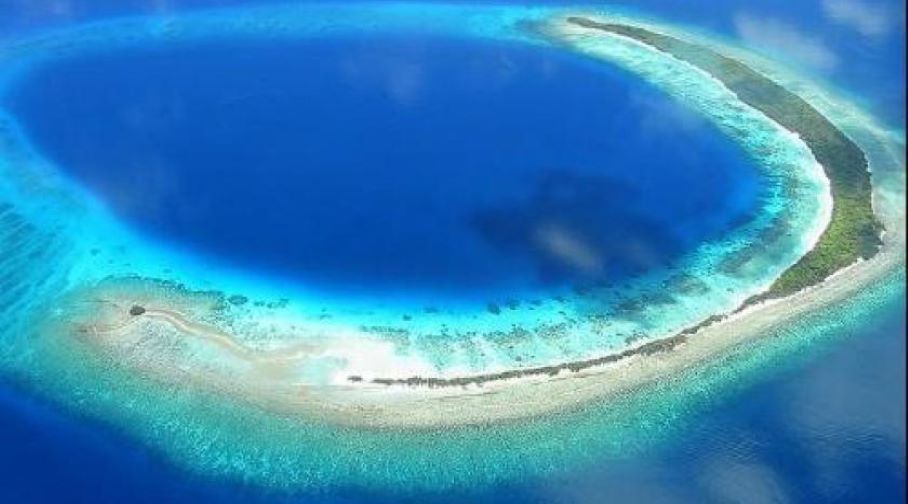
- Fotteyo Kandu: A channel dive in a very remote location that hosts some impressive coral formations with pelagic fish and occasional appearances of hammerhead sharks.
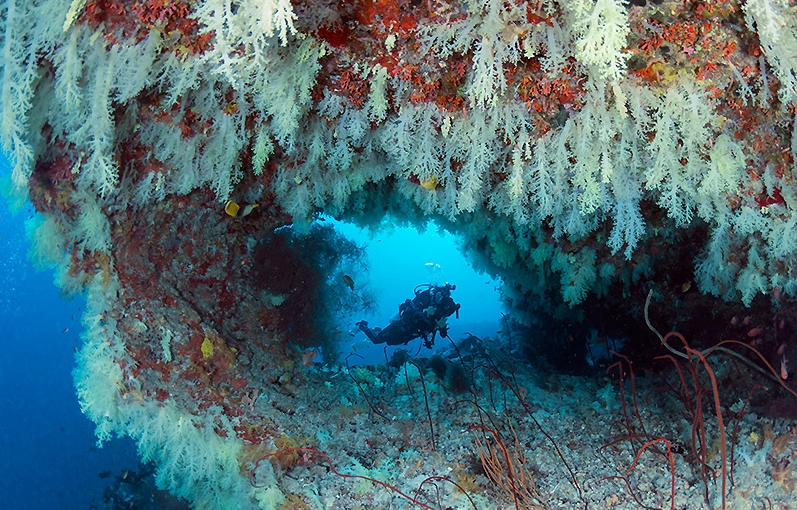
Best Time to Dive: From November to April dry season visibility is the best.
2. Seychelles: The Underwater Garden
The Seychelles archipelago is highly regarded for its transparent waters and unspoiled coral reefs. It is an ideal site both for the amateur and the professional diver.
Best Dive Sites:
- Shark Bank: A wide granite plateau covered with fish, such as barracudas, reef sharks, and eagle rays.
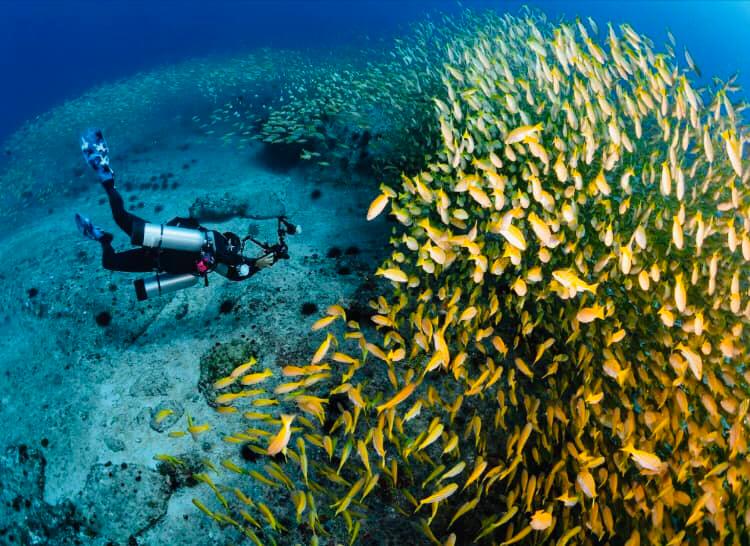
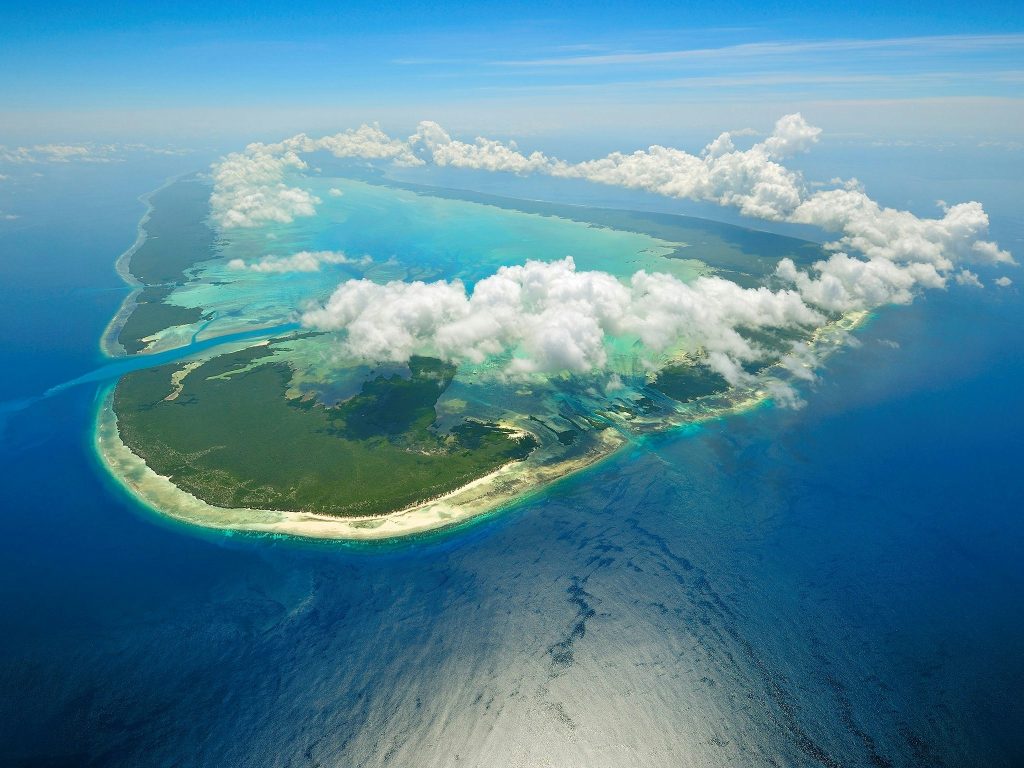
- Aldabra Atoll: The most isolated atoll of the Seychelles and a UNESCO World Heritage Site is home to pristine coral reefs, with a startling array of marine life, from giant groupers down to green turtles.
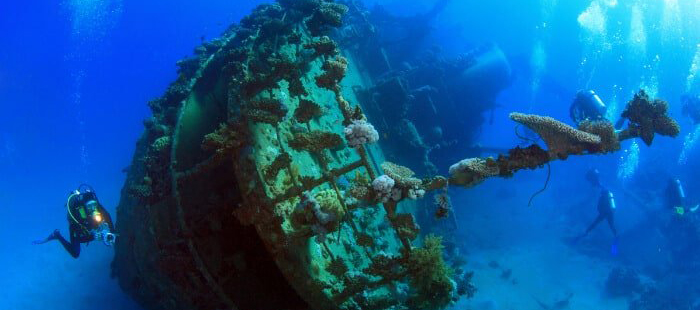
- The Ennerdale Wreck: A British tanker sunk in 1970, this is now the home for many species of marine life.
Best Time to Dive: April through to November, avoiding the wetter monsoon season.
3. Mauritius: Wrecks and Reefs
With its coral reefs, shipwrecks, and dramatic seascapes, Mauritius is a dream destination for divers. Most diving sites are accessible and cater to every level.
Best Dive Sites:
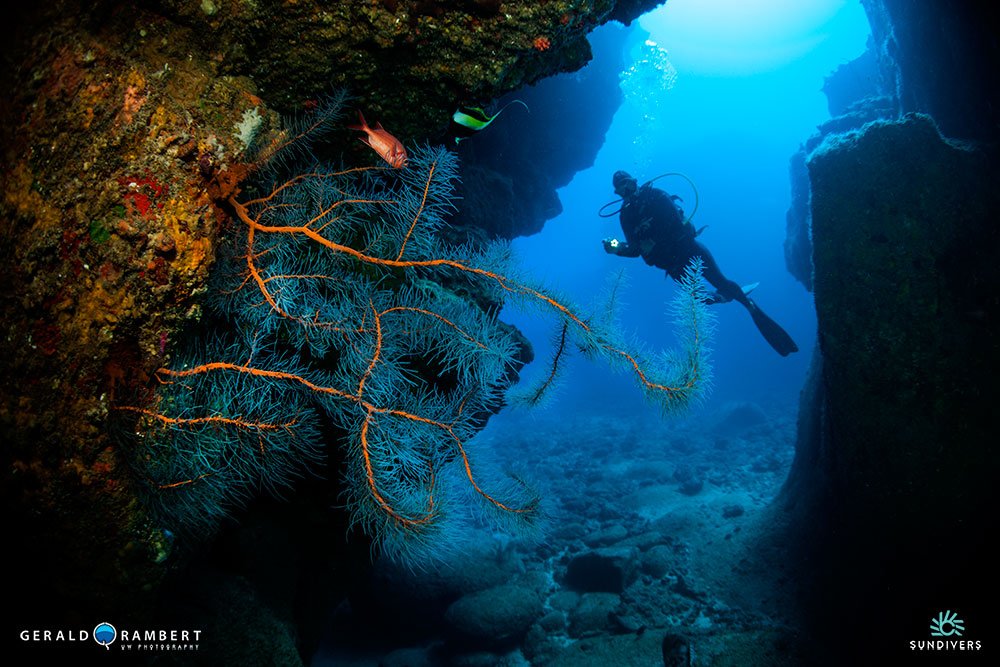
- Cathedral: An excellent underwater cavern with shafts of light filtering through, making it a cathedral-like ambiance.
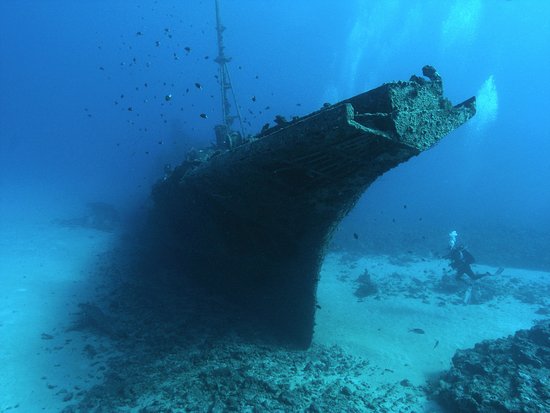
- Stella Maru: A Japanese fishing trawler sunk in 1987, now an interesting artificial reef.
- Blue Bay Marine Park: A marine park hosting multicoloured coral, sea turtles, and a variety of reef fish.
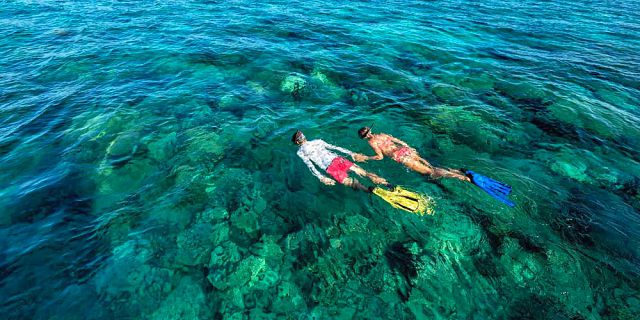
Best Time to Dive: November to April, during the warm waters, with ample marine life.
4. Sri Lanka: Wrecks and Wildlife
From wreck diving to ‘high’ marine biodiversity, Sri Lanka has it all-for both wreck diving and rich marine biodiversity. Everything from shipwrecks to whale sharks can be seen off the waters of this island nation.
Best Dive Sites:
- Great Basses Reef: Has a lighthouse and some shipwrecks, for advanced divers.
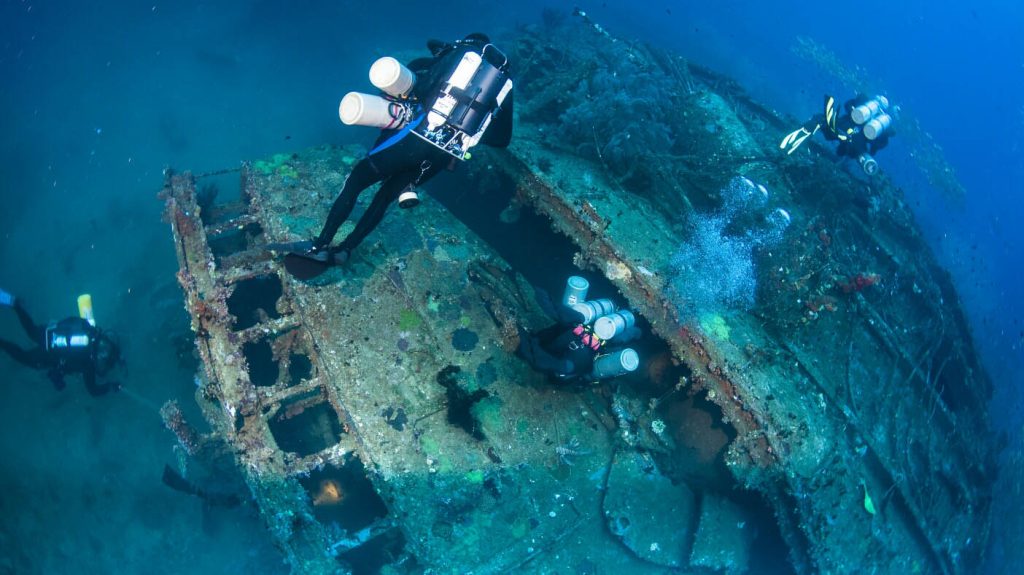
- HMS Hermes: First-ever aircraft carrier to be purposefully built in the world, is also a popular wreck dive.
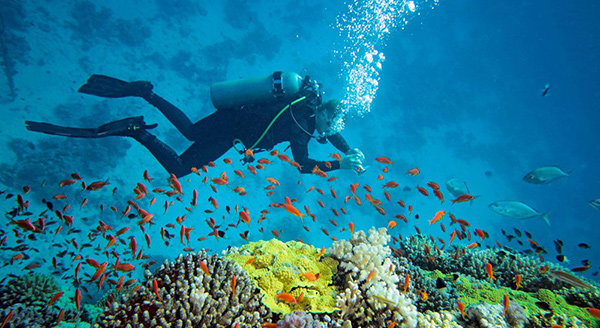
- Pigeon Island: It is a marine sanctuary with colorful coral reefs and huge schools of reef fish.
Best Time to Dive: From December to March for the west coast and from May to September for the east coast, depending on the pattern of monsoon.
5. Mozambique: A Hidden Gem
Mozambique offers some of the most untouched and unexplored diving sites in the Indian Ocean. The entire coastline teems with marine life, and the coral reefs are generally in a good state.
Best Dive Sites:
- Tofo Beach: Known for the large concentration of mantas and whale sharks.
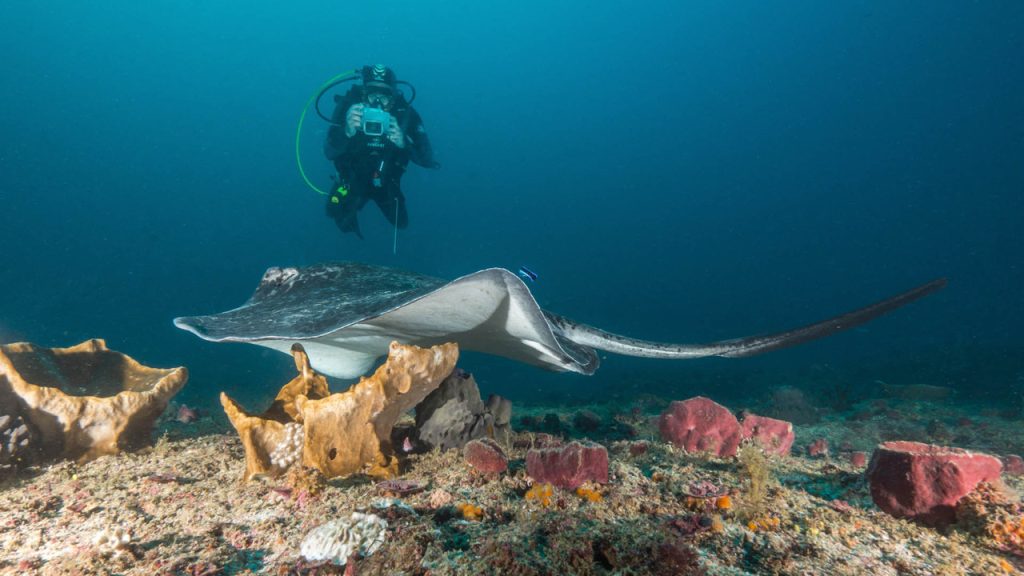
- Bazaruto Archipelago: In the middle of nowhere, pristine with good reefs, dugongs, and various fish species.
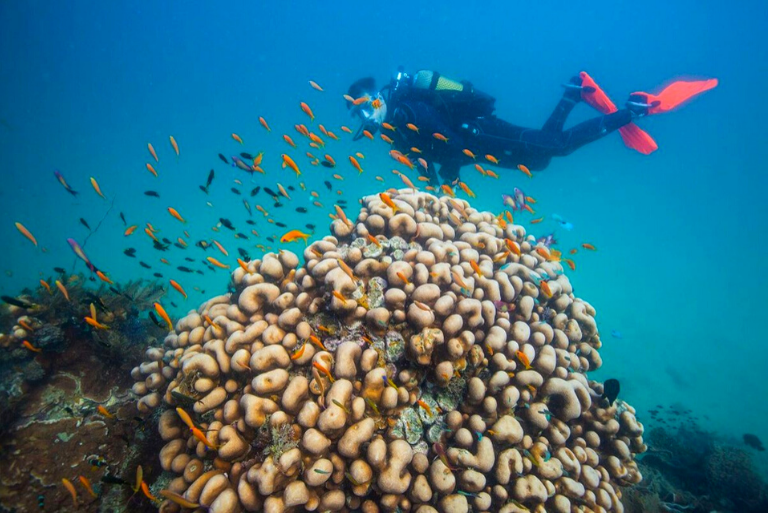
- Ponta do Ouro: A place famous for dolphins and underwater rock formations of incomparable beauty.
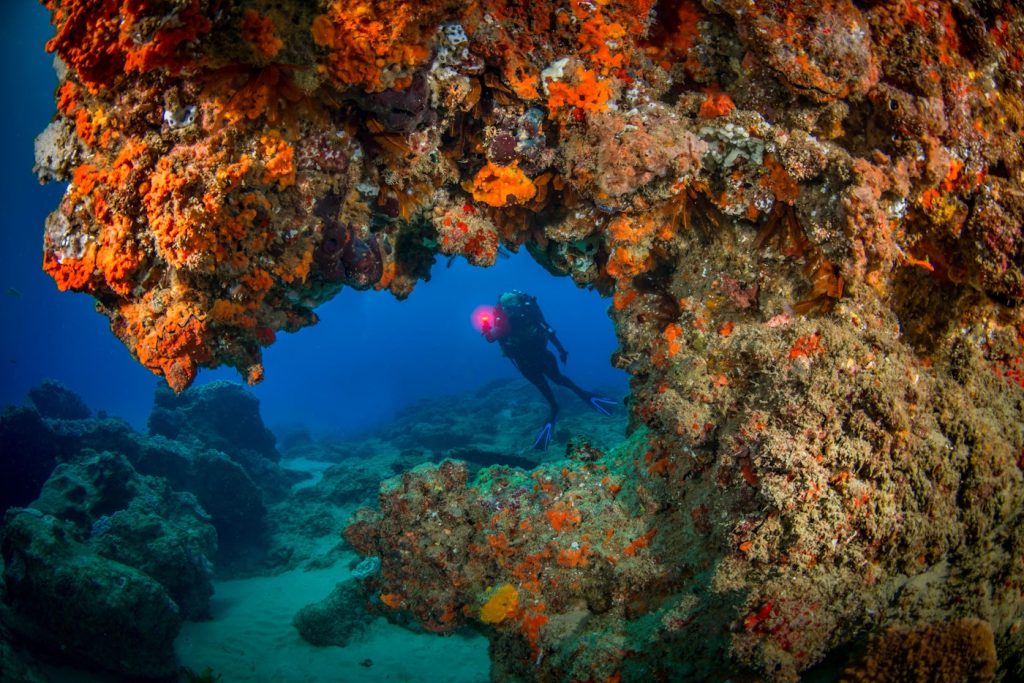
Best Time to Dive: During the period between May and September, the water is usually crystal clear, and the fish life is at its peak.
Indian Ocean Scuba Diving Tips
- Respect Marine Life: The Indian Ocean is blessed with varied and sometimes very fragile ecosystems. Responsible diving also involves not touching corals or causing disturbances to any marine creature.
- Weather Conditions: Generally speaking, diving conditions in the Indian Ocean heavily depend on the season. This will be worth planning your dive trips in those times of the year that are best for good visibility and marine activity.
- Dive with local guides: The local dive operators have extensive knowledge about the area: its dive sites, its currents, and its marine life. Diving with experienced guides ensures a much safer and more enriching experience.
From the thrill of diving among sharks, to the fascination of shipwrecks, or just capturing the vibrancy of the coral reefs, scuba diving in the Indian Ocean provides experiences that are simply out of this world. With good planning and respect for the ocean, one will have memories that may last a lifetime. Happy and safe diving!


