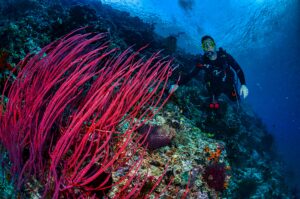
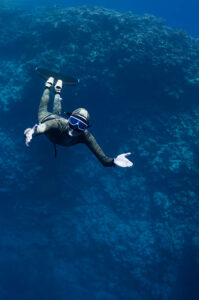
For many fans of underwater diving, this seemed to be the ultimate fantasy: diving in the Red Sea. Due to the fact that the sea is known for crystal-clear waters, colorful coral reefs, and an astonishing variety of marine life, diving here is an experience one will find both thrilling and unforgettable. The Red Sea lies off the coasts of Egypt, Sudan, Jordan, Saudi Arabia, and Israel and is one of the world’s top diving destinations, boasting the world’s most experienced and inexperienced divers.
This guide takes a closer look into what makes the Red Sea one of the most popular diving destinations: its best dive sites, marine life, diving conditions, and some useful travel tips to fully exploit your underwater adventure.
Unique Geography-The Red Sea
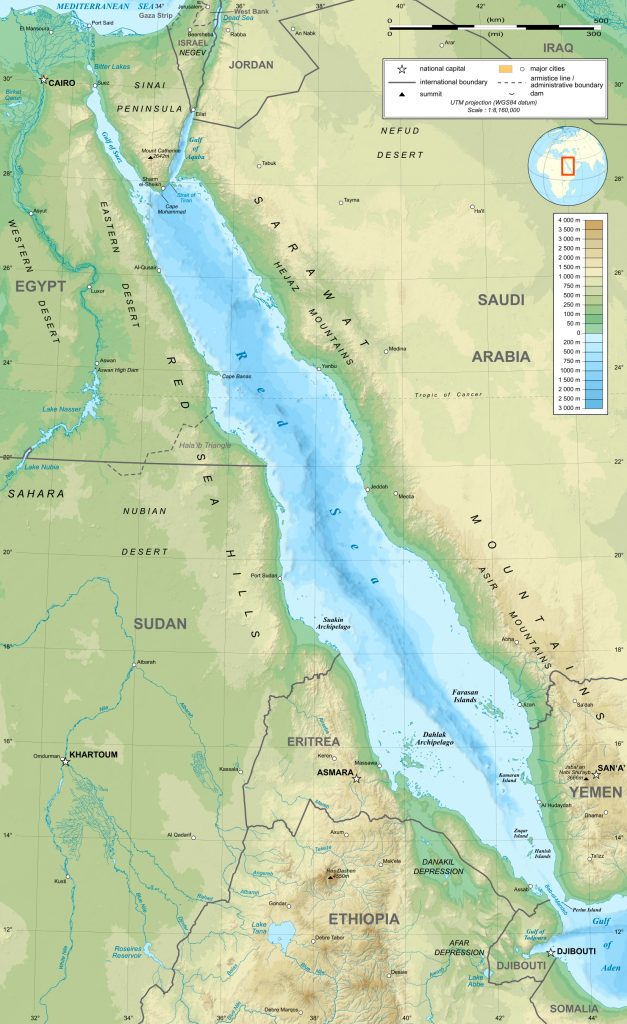
The Red Sea is an inlet of seawater from the Indian Ocean, positioned between Africa and Asia. It is one of the hottest and saltiest bodies of water on the globe, creating an extremely unique environment for marine life. The sea shares borders with a number of countries that all have their own different entry points to several of the most spectacular sites in the world. The clear, nutrient-rich waters of the Red Sea support a rich biodiversity, with the ideal habitat for more than 1,200 species of fish, 10% of which are found nowhere else in the world.
Best Dive Sites in the Red Sea
1. Ras Mohammed National Park (Egypt)
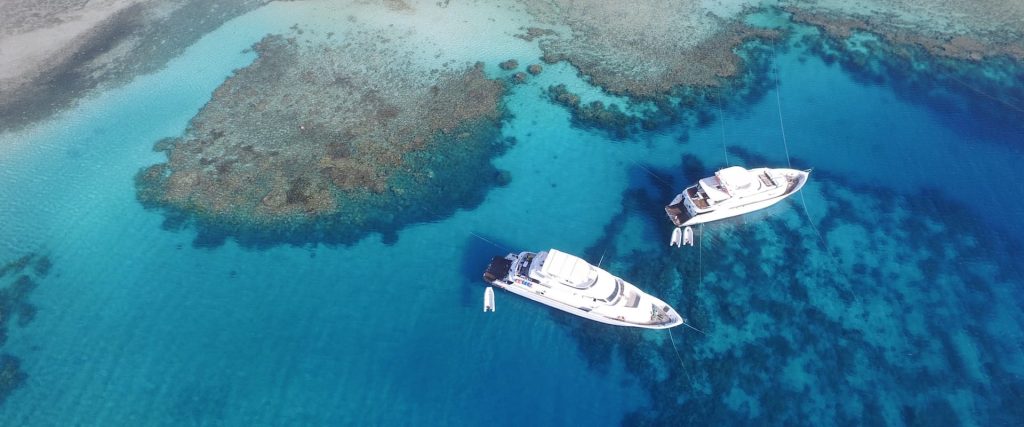
Location: Southern tip of the Sinai Peninsula
Highlights: The park is home to some of the most famous dive sites, including Shark Reef, Yolanda Reef, and Jackfish Alley. Divers will be able to explore vibrant coral gardens, swim through schools of barracuda, and encounter large pelagic species like sharks and manta rays. This park has dramatic drop-offs, caves, and plateaus in its underwater topography.
2. Thistlegorm Wreck (Egypt)
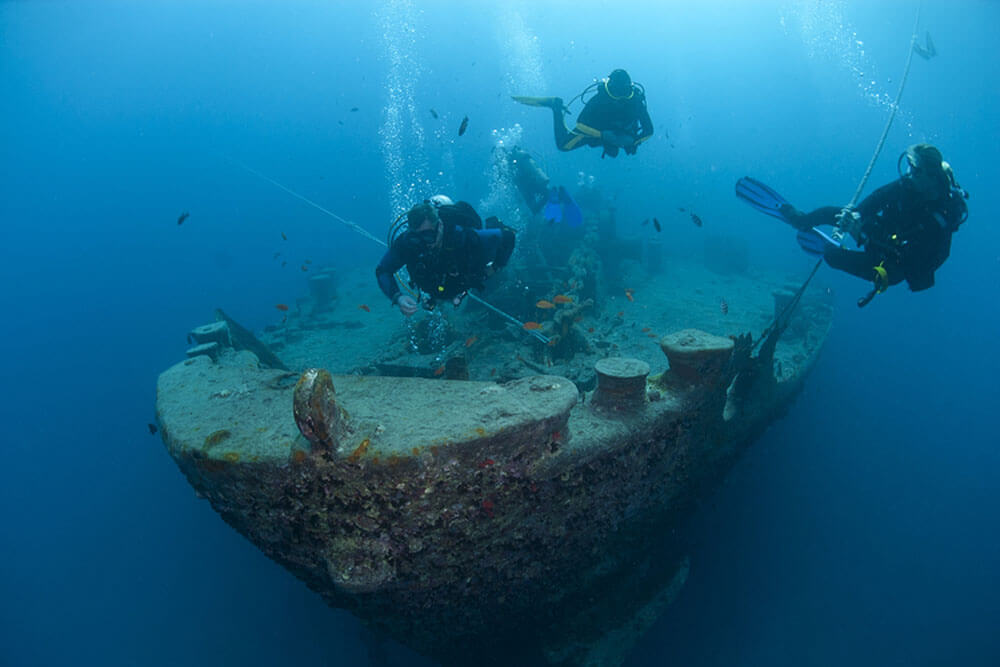
Location: Off Sharm El Sheikh
The SS Thistlegorm is considered one of the most famous wreck dives in the world. This British armed freighter, sunk by German bombers in 1941, is at 30 meters depth. It is possible to see the cargo that includes motorcycles and trucks along with ammunition, all in incredible detail.
3. Elphinstone Reef (Egypt)
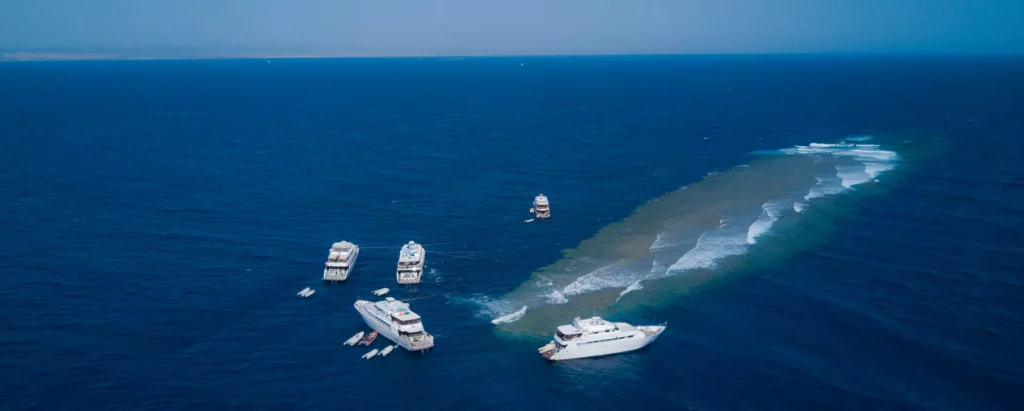
Location: Off the coast of Marsa Alam
Best time to go: Elphinstone Reef is known to divers as a reef with strong currents and vertical walls. It is also known as a place where one can find big groups of oceanic whitetip sharks and hammerheads, especially in the summer period. The reef walls are home to great coral formations and plenty of marine life that make the spot worth diving at.
4. Dahab’s Blue Hole (Egypt)
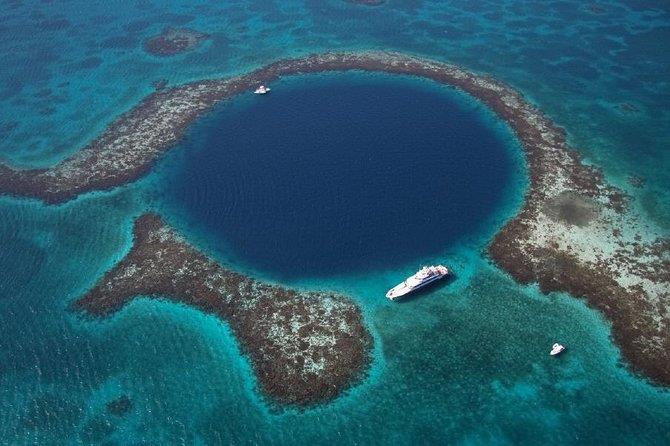
Location: Off Dahab
Highlights: The Blue Hole is considered one of the most infamous dive sites in the world due to its depth and challenging conditions. This vertical cavern drops down more than 100 meters and is pretty popular among technical divers. Despite the forsaken reputation of the dive site, clear waters of the Blue Hole with their rich marine life turn a dive here into an alluring thing for those prepared for such a challenge.
5. The Brothers Islands (Egypt)
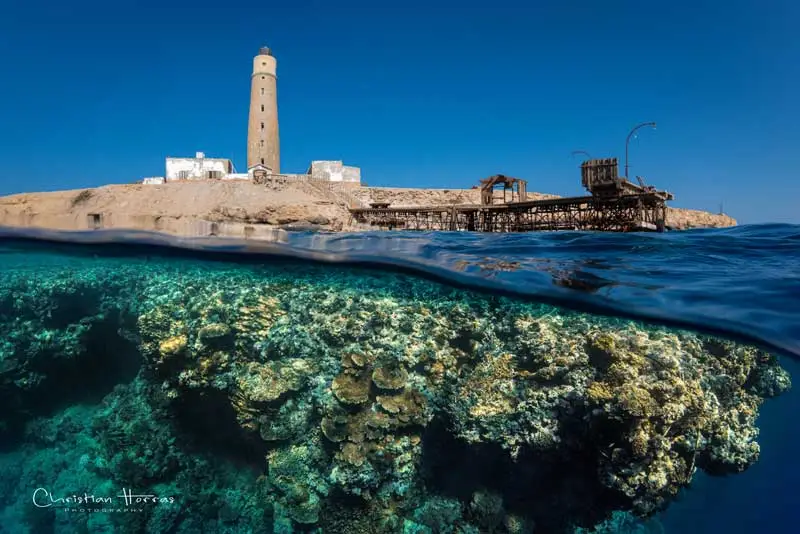
Location: Off the coast of El Quseir
Highlights: The two isolated islands are famous for their perfect reefs and the visibility of sharks like thresher sharks and whale sharks, with steep walls covered in soft corals; big schools of fish can be seen throughout; from time to time, dolphins and mantas may appear.
6. Sha’ab Rumi (Sudan)
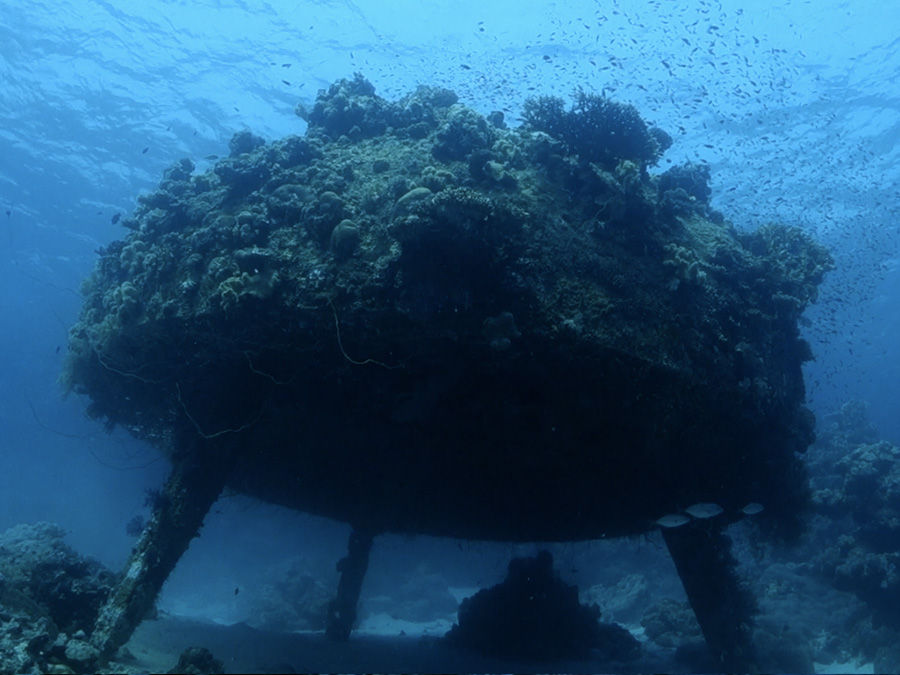
Location: Offshore Sudan
Highlights: Sha’ab Rumi Reef is well known for its stunning coral gardens and major marine life. Another good reason to visit this location is its famous Precontinent II, which was the underwater habitat of Jacques Cousteau in the 1960s. Remnants of this pioneering experiment underwater can still be dived upon, along with large schools of hammerhead sharks.
7. The Farasan Islands (Saudi Arabia)
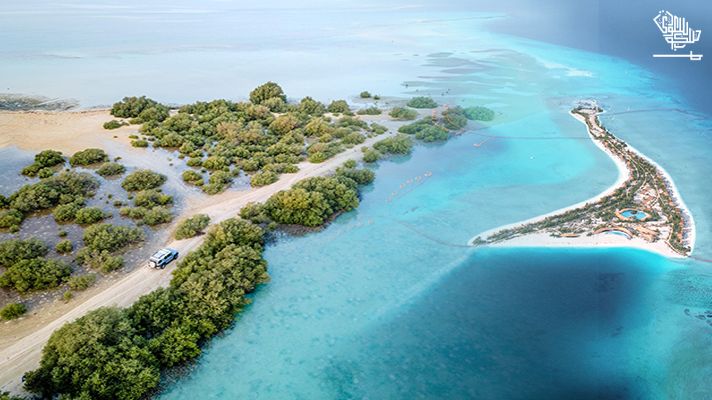
Location: Off the coast of Saudi Arabia
Highlights: The Farasan Islands are a coral island chain featuring pristine dive sites, for the most part unexplored. The waters around the islands feature healthy coral reefs, big pelagic species, and numerous fish species. Being at a distant location, the dive sites here can easily be accessed with fewer people than what one would find in other locations within the Red Sea.
8. Aqaba (Jordan)
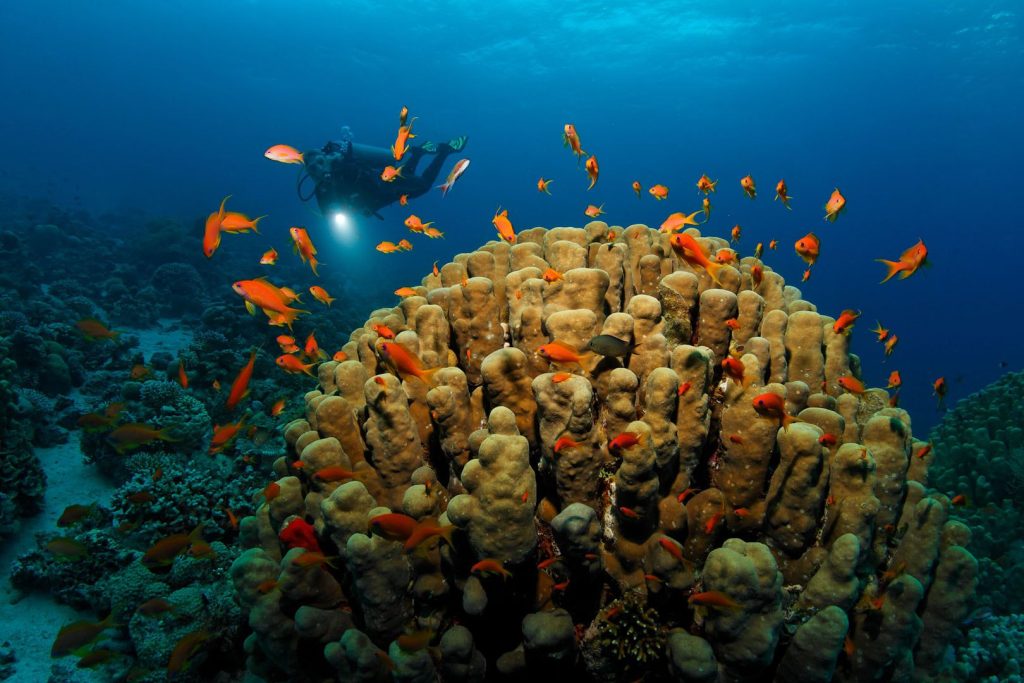
Location: Northern Red Sea
Highlights are that there is easy access to bright coral reefs and wrecks in the Gulf of Aqaba, one of the favorite dive destinations. The most famous wreck could be considered the Cedar Pride, a Lebanese freighter sunk on purpose to create an artificial reef. Aqaba is perfect both for a beginning diver and for an experienced one because of clear waters with rich marine life.
Marine Life in the Red Sea
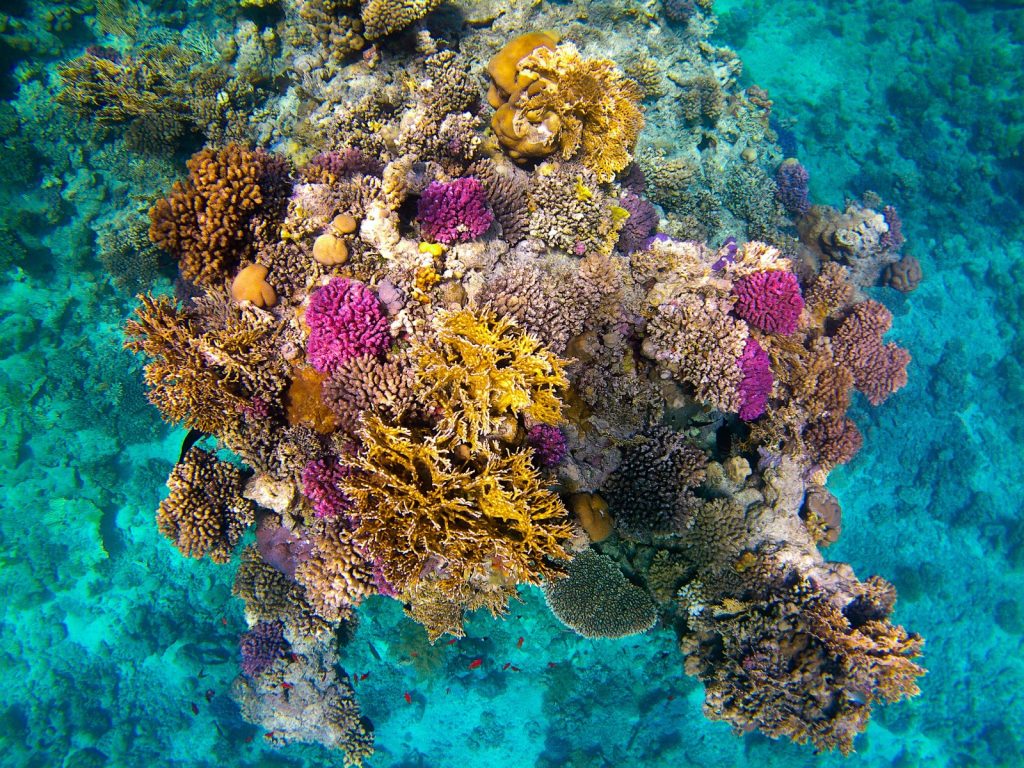
The Red Sea indeed counts as one of the most biologically diverse bodies of water anywhere in the world. Divers will see all sorts of colorful coral formations, including hard and soft corals, sponges, and anemones. Life on the reefs is teeming with:
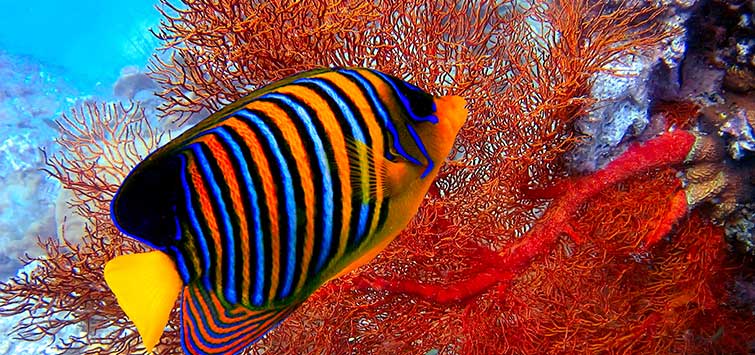
- Fish Species: There are more than 1,200 fish species in the Red Sea, which include such iconic ones as the clownfish, the parrotfish, the lionfish, and the Napoleon wrasse. Large aggregations of pelagic fishes-barracudas, jacks, trevallies-are common in the Red Sea.
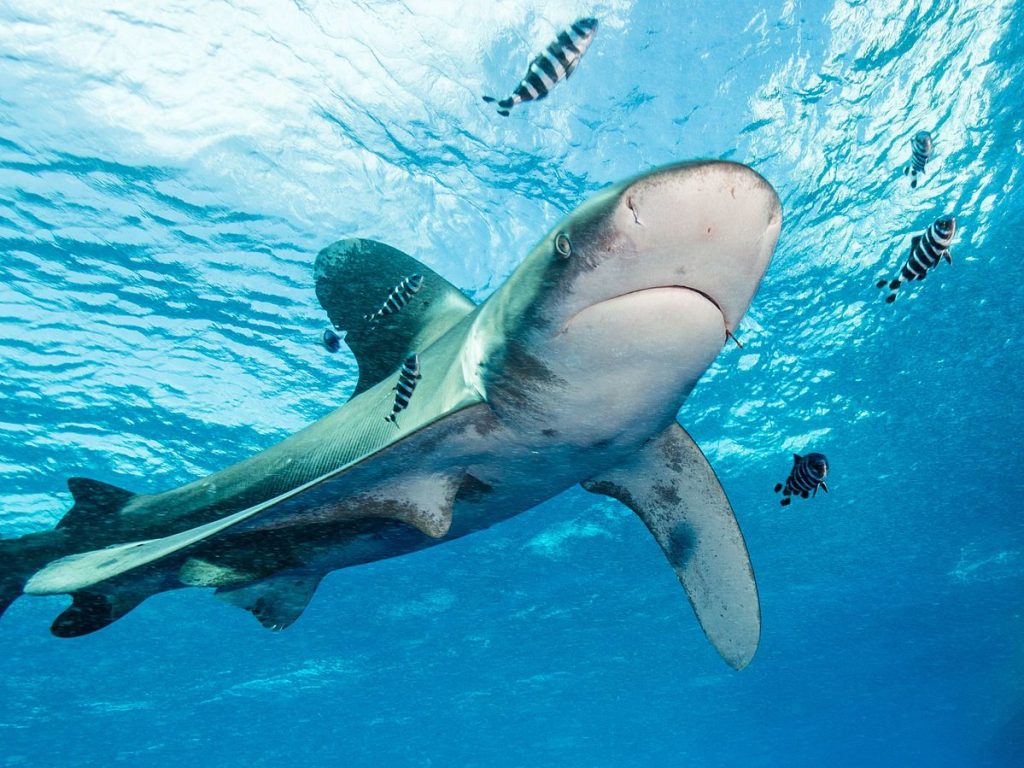
- Shark species such as the oceanic whitetip sharks, hammerhead sharks, thresher sharks, and reef sharks can be found in the Red Sea. Most of the sites for diving commonly report shark sightings, especially around the Brothers Islands, Elphinstone Reef, and Ras Mohammed.
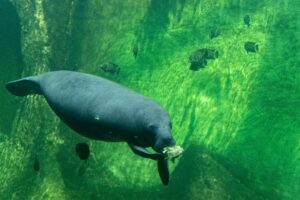
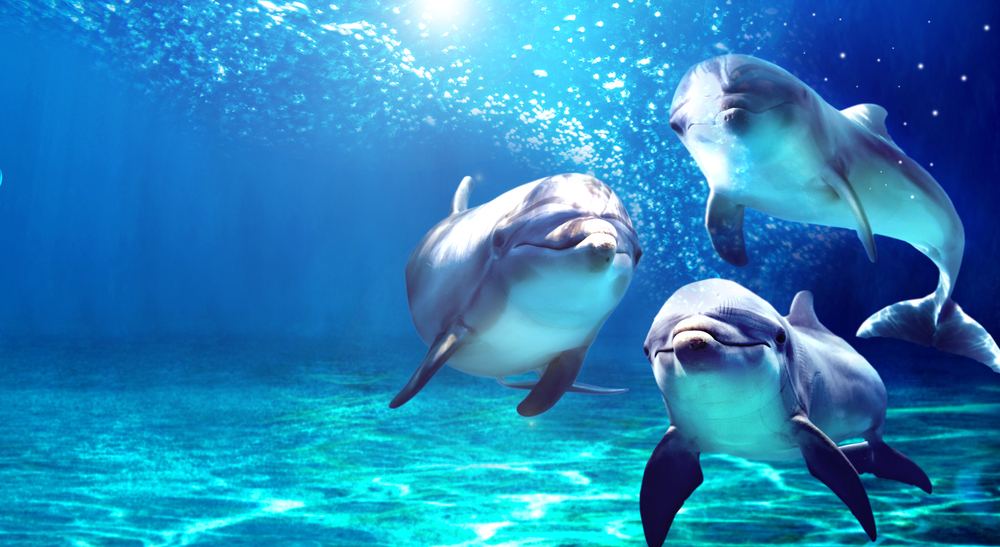
- Dolphins are commonly seen, particularly in the Sataya Reef off the southern Red Sea, though large schools are not often encountered. Other uncommon marine mammals off the southern Red Sea are dugongs.
- Other Marine Life: The coral reefs in the Red Sea are home to all kinds of invertebrates, such as the octopus, cuttlefish, and a myriad of crustaceans. Turtles, most especially green and hawksbill turtles, are a familiar sight, especially in nesting sites.
Diving Conditions
- The Red Sea is considered an excellent diving area all year round, thanks to its warm water temperature, which during winter reaches 22°C/72°F and during summer up to 30°C/86°F. Visibility usually ranges between 20 to 30 meters, which, for underwater photography and videotaping, is absolutely acceptable.
- Currents: While the majority of dive sites in the Red Sea have shallow currents, good for the novice diver, many others, including Elphinstone Reef and the Brothers Islands, have strong currents, recommended for more advanced divers.
- Depths: From shallow coral gardens to deep wrecks and wall dives, the Red Sea, has them all for every level. Most of the well-known sites, such as the Thistlegorm and the Blue Hole, require certification beyond the basic level.
Diving in the Red Sea Travel Tips
1. Best Time to Visit
The Red Sea is a year-round diving destination, but it depends on what you want. It’s cooler during the period from November through February, and the crowds are fewer. Sightings of bigger pelagic species such as hammerhead sharks can be seen from May to September.
2. Choosing a Dive Operator
Dive operators in the Red Sea embrace day trips; the liveaboard safaris-just about everything imaginable. The liveaboard safaris should first and foremost be taken part in through a reputable operator who enjoys good reviews with experienced guides. A liveaboard will be your only best option if you are thinking of exploring remote sites such as Brothers Islands or Sudan.
3. Health and Safety
Before entering a dive in the Red Sea, make sure you have proper dive insurance that includes diving. Equally important: know the possible hazards of strong current, potential current, and marine life follow your guide or instructor during the dive. There are different kinds of venomous sea animals living in the Red Sea, which include lionfish and stonefish. Always maintain good buoyancy and do not touch the marine life.
4. Cultural Considerations
* Countries surrounding the Red Sea represent very different cultures and customs. Be respectful of local customs and traditions when you travel, especially to the more conservative areas like Saudi Arabia. If not diving, dress modestly and always be aware of local customs and courtesies.
5. Environmental Responsibility
Tourism and physical alteration are challenging the fragile marine ecosystems of the Red Sea. Linked to this is good diving etiquette, such as not touching or standing on corals, refraining from feeding marine life, and proper waste disposal. Many dive operators participate in reef conservation efforts; consider supporting those initiatives.
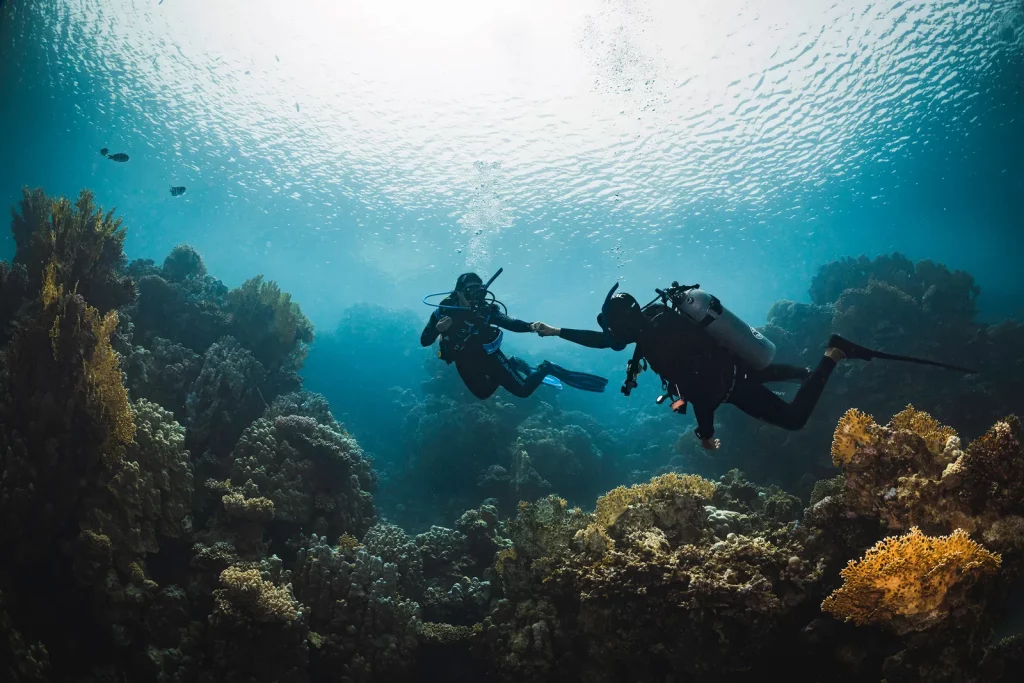
There is no dive quite like diving in the Red Sea. From the stunning coral reefs of Ras Mohammed to the haunting wreck of the Thistlegorm, the Red Sea contains something for every diver. Whether one is just beginning and wants to see one’s first coral garden or is a seasoned diver who wants strong currents and shark encounters for an adrenalin kick, diving in the Red Sea should be on every diver’s bucket list.
This Red Sea diving adventure will be both rewarding and unforgettable, provided one plans it carefully, taking into consideration the local environment and culture. Pack your gear, book your trip, and get ready to dive into one of the world’s most extraordinary underwater realms. Happy and safe diving!