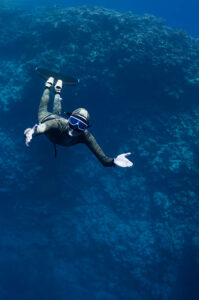
Imagine yourself plunging into a realm where colorful coral reefs envelop you, swarms of unusual fish perform synchronized dances, and the only noise you detect is the soft gurgling of your own respiration. Scuba divers are about to discover this fascinating underwater world, yet many are prevented from doing so by a sea of false beliefs. These beliefs frequently obscure the genuine delights of diving, ranging from misgivings about physical needs to anxieties about perilous encounters. In order to expose the reality that lies under the surface, let’s dispel some widespread misconceptions about scuba diving.
Myth 1: Only Strong Swimmers Should Go Scuba Diving
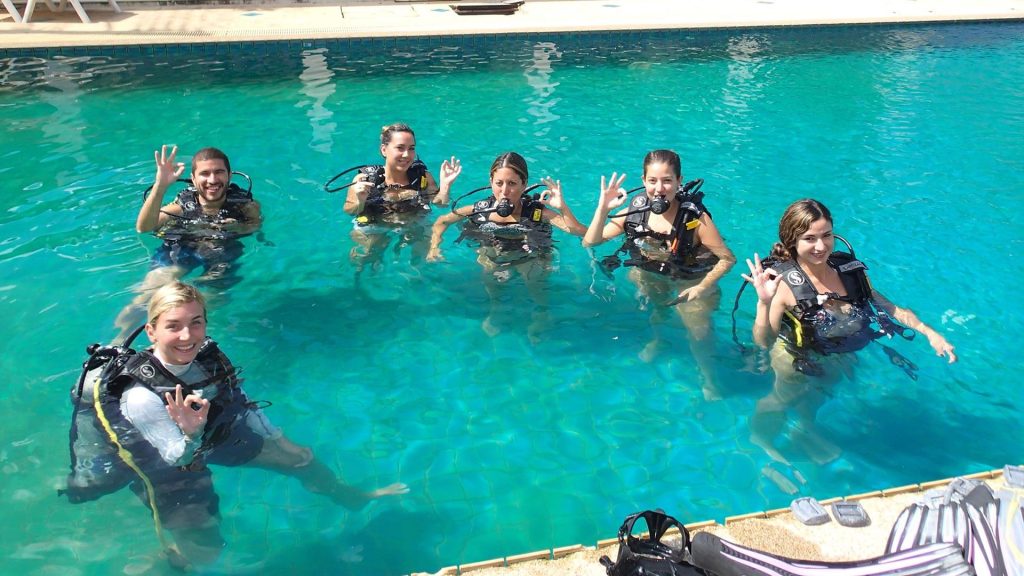
The idea that you have to be an Olympic swimmer to enjoy scuba diving is one that is widely held. Olympic-level swimming ability is not necessary for scuba diving, while comfort in the water is. For the most part, basic swimming skills and comfort in the water are enough. Even those with mediocre swimming capabilities may dive safely and enjoyably with the help of dive training programs like those provided by PADI (Professional Association of Diving Instructors). These programs concentrate on teaching specialized diving skills and procedures.
Myth 2: It’s Very Risky to Scuba Diving
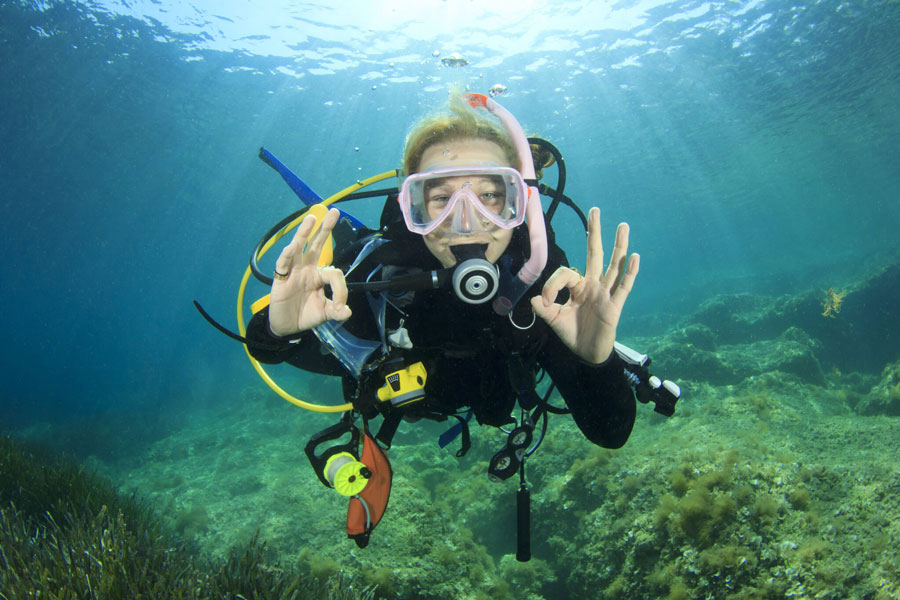
Scuba diving is not as risky as many people think, despite the fact that it does have certain inherent dangers. Scuba diving may be a safe sport if it is done properly, with equipment that is suitable, and with respect to safety regulations. According to statistics, diving accidents are not common, and most mistakes are the result of human error rather than defective equipment. Scuba diving is a generally safe adventure activity since certified divers are prepared to manage crises and have the expertise to reduce dangers.
Myth 3: Young and Fit People Only Should Scuba Diving
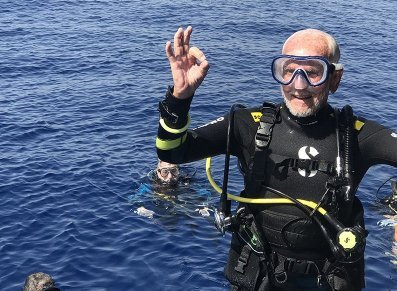
The idea that scuba diving is only for young, physically strong people is another common misunderstanding. It is true that divers of all ages and physical levels may participate in the sport. There are courses and equipment designed to accommodate varying physical capacities, and many older persons dive on a regular basis. Individuals of any age can enjoy scuba diving as long as they fulfill the minimum health standards and obtain a medical clearance when necessary.
Myth 4: It’s Easy to Run Out of Air

Though most people worry about running out of oxygen when diving, contemporary gear and instruction are meant to keep this from happening. Divers are taught to constantly monitor their air supply and utilize compressed air tanks. In addition, divers receive instruction on how to dive cautiously, constantly maintaining an air reserve, and adhere to the rule of thirds, which states that one-third of the air should be reserved for the ascent, one-third for the descent, and one-third as a safety reserve. Buddy diving techniques also guarantee that assistance is always available in case of need.
Myth 5: The Cost of Scuba Diving Is Exorbitant
Although it might be expensive, particularly when first starting out, scuba diving is not always unaffordable. Training, certification, and the purchase or leasing of equipment are included in the initial expenditures. Dive diving, especially local diving, may be reasonably priced once things are taken care of. Inexpensive diving tours are provided by several dive businesses, and equipment rentals are frequently available at fair prices. Furthermore, scuba diving is well worth the expense for many fans because it frequently results in life-changing experiences and adventures.
Myth 6: If you wear glasses or contact lenses, you can’t dive
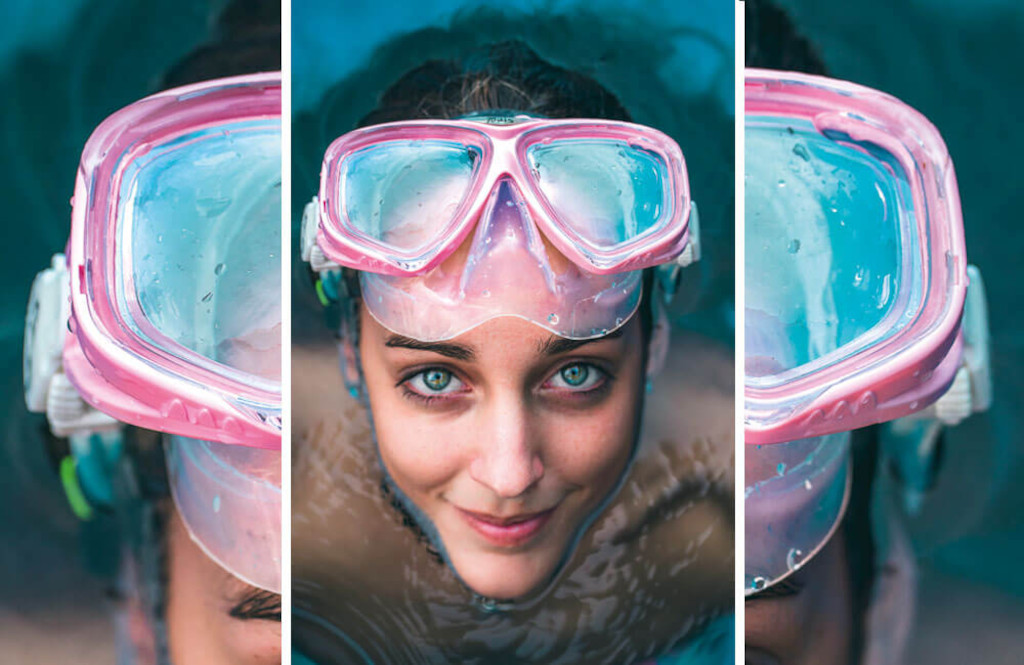
To maintain perfect vision underwater, there are several methods available for people who use glasses or contact lenses. It is possible to have prescription dive masks that are tailored to fit a specific person’s prescription. Soft lenses are often appropriate for diving for contact lens users, however in order to prevent losing your contacts, you must cover your eyes when taking the mask off underwater. With these alternatives, anyone with vision impairments should be able to explore the undersea environment.
Myth 7: Ignorance Allows You to Dive Anywhere
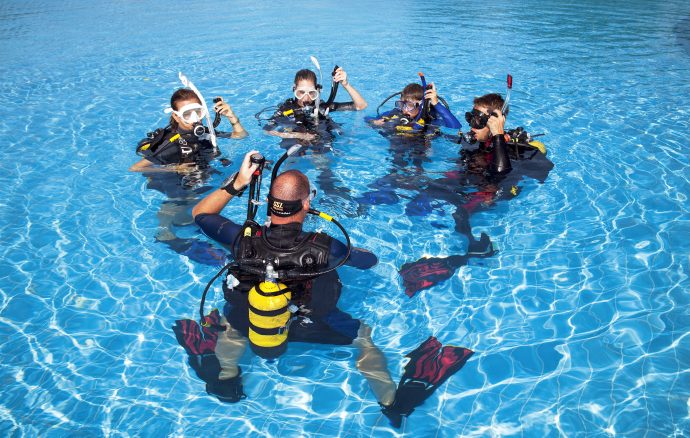
Among the most hazardous myths, this one may be. To guarantee safety during scuba diving, the right instruction and certification are needed. Emergency procedures, safety precautions, and fundamental skills are taught in certified courses. Diving without the necessary training may be dangerous for the diver as well as the marine environment, and it also raises the likelihood of accidents. Before plunging into the deep end, it is necessary to finish an approved diving certification course.
An exciting and easily attainable pastime, scuba diving provides a distinctive means of discovering the undersea environment. By dispelling these widespread misconceptions, we can inspire more individuals to explore diving by providing them with the necessary information and expectations. Keep in mind that scuba diving can be a safe and incredibly fulfilling activity if you follow safety procedures, have the right training, and have respect for the water. Now go ahead and dive in and explore the beauty hidden beneath the waves! Happy and safe diving!