It is cave diving that really gets exciting in an adventure and demanding sport-perspiration, which requires real precision in planning, perfect diving skills, and specific scuba equipment able to perfectly cater to the technical demands of an underwater cavern environment. Unlike open water diving, where in any situation, the surface could be accessed easily, melting and out of poorly visible constricted spaces, dark passages, and powerful currents becomes another story altogether with cave diving. This article discusses two critical aspects of cave diving gear: 1. Streamlining, and 2. Redundancy.
Streamlining: Efficiency and Safety
Streamlining your scuba gear is a very important thing you should do for cave diving because it reduces drag to prevent entanglement and also promotes maneuverability. Efficiently streamlined diving gear allows divers to conserve energy and makes it easier to control the diver in a narrow passage.
1. Streamlined Harness and BCD
A backplate and wing (BP/W) system: The backplate and wing setup is preferred over the standard jacket style BCD by cave divers. The BP/W takes the bulk out of the equation and assures a smooth and snug fit within the profile of the diver.
Harness Adjustments: Well-fitted harnesses eliminate flapping straps that snag rocks or stalactites during the slalom. The extra webbing should be cut off and stowed away.

2. Tanks and Regulator Configuration
Many cave divers will actually prefer a side-mount setup, in which the tanks are mounted along the sides of the diver. This provides better streamlining in tight places and, therefore, better access to valves.
Hose Management: The long hoses – 5-7 ft on the primary regulator and shorter on the backup – are neatly routed and do not get entangled; hoses not in use are clipped securely onto the harness.

3. Equipment Positioning
Trim & Balance: Weight and gear placement were corrected to be within the trim. A horizontal reduction in drag made underwater movement easier.
Clipping on Gear: Accessories like lights, reels, and cutting tools should be clipped as close to the body as possible using bolt snaps. This prevents them from dangling and catching on to things.
Redundancy: Being Prepared for the Unexpected
Lack of redundancy was what typified cave diving. Given the risks of the environment, one must have a backup equipment system in case of any given failure.
1. Redundant Air Supply
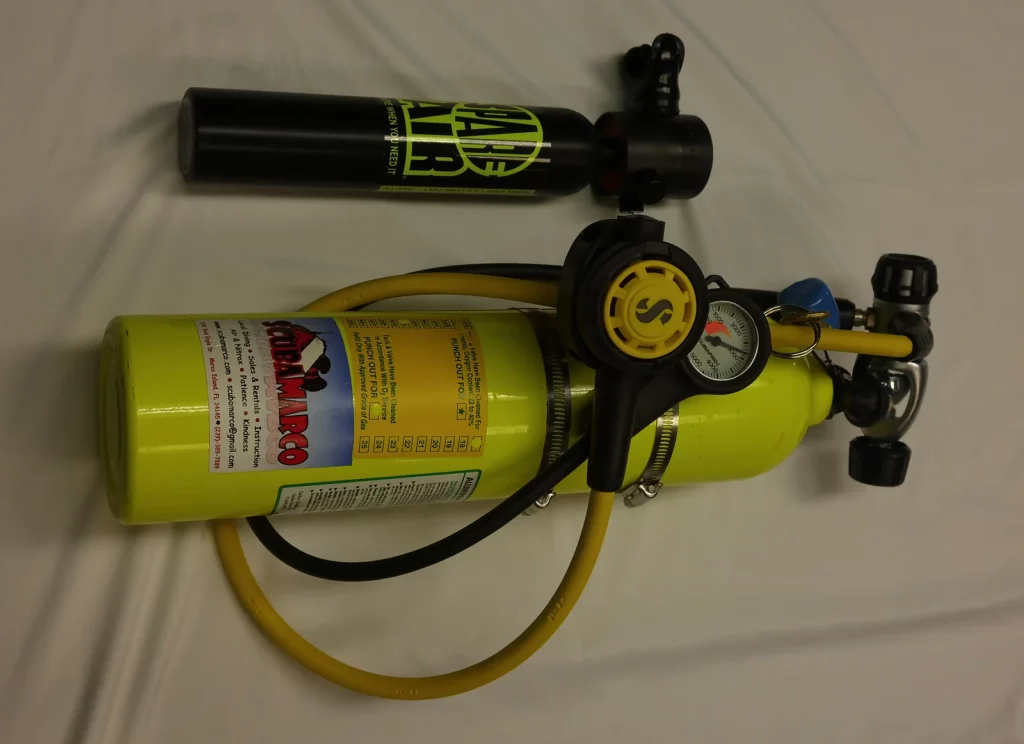
Dual Tanks: Cave divers use dual tanks as a primary source of backup air whether using side-mount, twin cylinders, or independent tanks.
Isolated Manifold: Twin cylinders with an isolation manifold allow divers to share some gas between the tanks, but one cylinder can be isolated when there is malfunctioning.
2. Backup Lights
Primary and Backup Lights: Although the primary light may be most valuable for seeing one’s way through dark caves, at least two backup lights should be on one’s person in case it fails.
Mounting: Lights should be mounted on a helmet or harness, for they need to be worked with hands-free access.

3. Redundancy in Buoyancy
Dual bladders: Most BP/W have double bladders to ensure buoyancy control.
Lift Bags: These are carried by the divers for the most extreme cases to pop up to the surface with lift bags for added buoyancy.

4. Reels and Lines
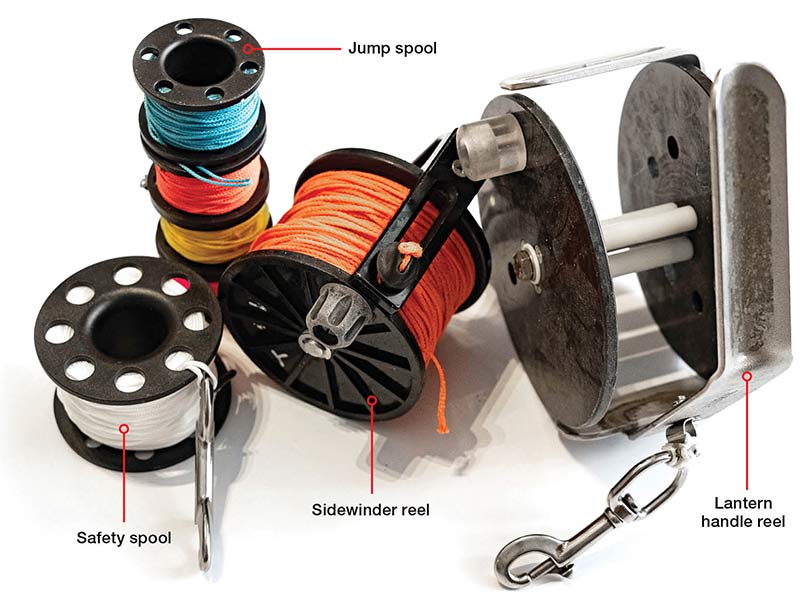
Primary Reel and Safety Spools: A guideline is imperative in finding your route back out. Having redundant reels and spools will ensure that a line can be maintained when one is inadvertently lost or destroyed.
Line Markers: Cookies and directional markers give visual signals besides helping to prevent disorientation.
5. Cutting Tools
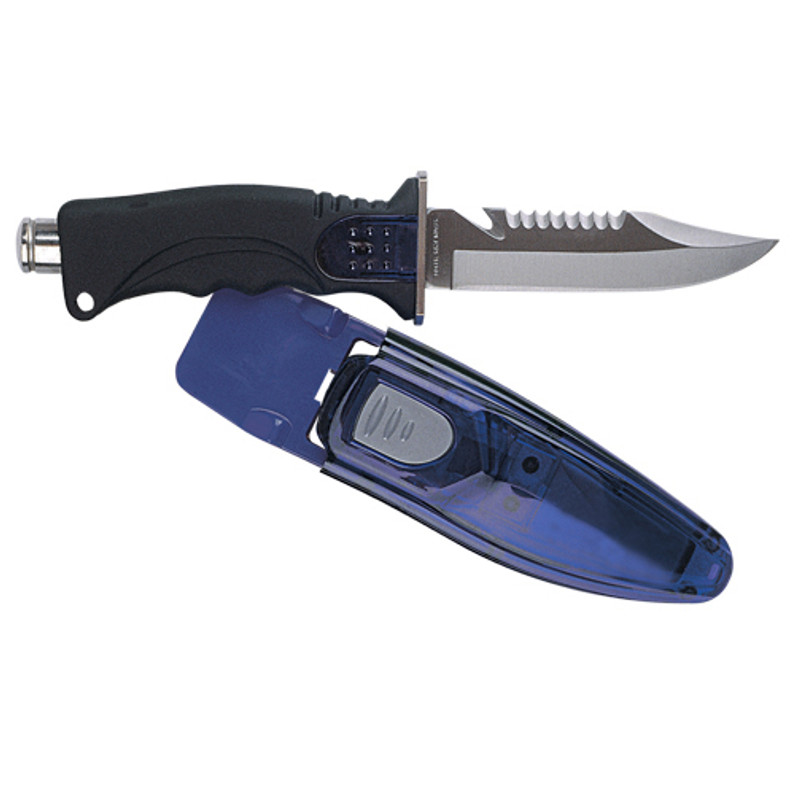
Not One, But at Least Two. The carrying of at least two cutting tools, such as a knife and a line cutter, makes the person more capable of extricating himself or herself from entrapments. These are to be placed such that access can be achieved with either hand.
Personalization and Training
Cave diving gear must be fitted to both the body and diving style of the diver, as well as the specific environment in which the gear is being used. This requires proper training in the usage and configuration of the gear. Classes such as the Intro to Cave Diver or Full Cave Diver certification will cover the necessary skills and configurations.
Streamlining and redundancy are the key principles in any cave diving gear. While streamlining helps a diver in efficient and safe diving, redundancy prepares him in case of any failure due to malfunctioning. Based on these two basic tenets, and with the best possible training, a diver can get ready to dive into an underwater cave. And, above all, one must always remember that preparing for cave diving is not merely prudential but lifesaving too.