Abruptly, you feel a little shift on your back as you glide elegantly through the ocean’s depths amid a plethora of colorful aquatic life. You see that the band holding your oxygen cylinder in place is becoming loose, endangering your safety and interfering with your descent. Your heart skips a beat. This situation—which many scuba divers are familiar with—highlights the need to discuss loose cylinder bands in open-water scuba diving training. More than just a little annoyance, loose cylinder bands can seriously endanger divers, which emphasizes how crucial it is to comprehend and handle this frequent problem.
What is a Band with Loose Cylinders?
Because it keeps the air cylinder firmly in place on the diver’s back, a cylinder band is an essential part of scuba diving gear. It usually consists of a robust harness system or strap that is made to endure the harsh conditions found underwater. Nevertheless, cylinder bands occasionally break away during dives despite their sturdy design. A band that has become slack or has moved, making it less effective in keeping the cylinder firmly in place, is referred to as a loose cylinder band.
Causes of Loose Cylinder Bands:
A number of things may cause cylinder bands to become loose. These include:
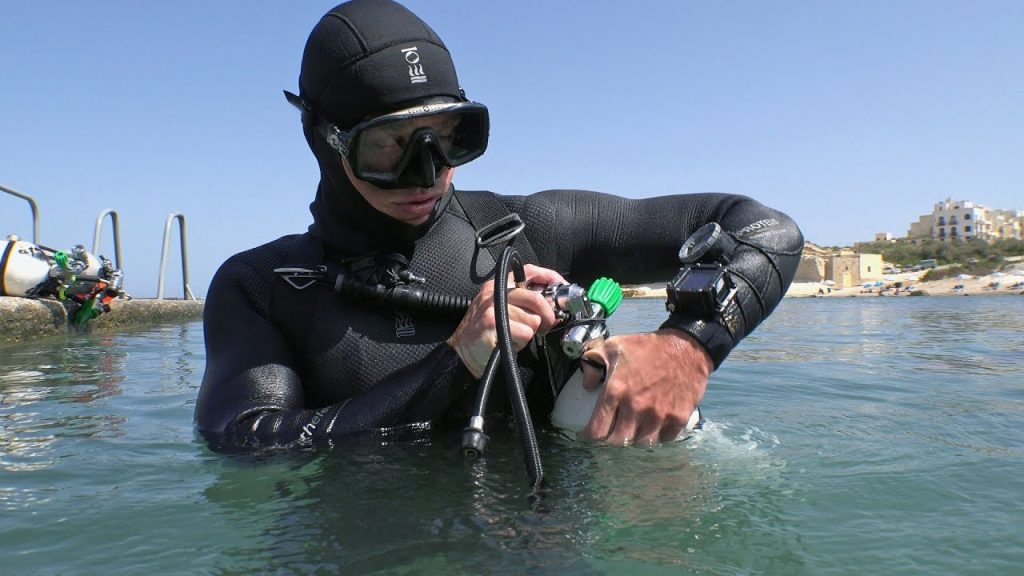
-
Inadequate Adjustment: The cylinder band may come free during the dive if it is not correctly set prior to the dive. Slippage might also result from the band fitting or being too small.
-
Equipment Damage: As a result of deterioration brought on by time, the cylinder band’s ability to hold onto the cylinder may be compromised. This problem may worsen due to damage from hard handling or exposure to unfavorable environmental conditions.
-
Water Pressure: During a dive, the pressure from the surrounding water may cause the cylinder band to stretch or loosen.
-
Diver Movement: The cylinder band may be strained by abrupt or rapid changes in body position, which might result in slippage or displacement.
Potential Dangers of Loose Cylinder Bands

Although it can appear like a small annoyance, a loose cylinder band can seriously jeopardize the safety of divers:
-
Cylinder Displacement: The main worry when there’s a loose cylinder band is that the cylinder might break loose and fall off of the diver. An unsteady posture or complete cylinder slippage might result from the band failing to keep the cylinder firmly in place, which would lead to unbalance and make it harder to manage buoyancy.
-
Compromise of Air Supply: If a misplaced cylinder prevents a diver from accessing their air supply, it might put them in a potentially fatal underwater scenario. Panic, oxygen starvation, and drowning may ensue from being unable to reach the regulator that is fastened to the cylinder.
-
Equipment damage can result from friction between the diver’s equipment and a loose cylinder band. This friction can produce scratches, abrasions, or other damage to the diver’s equipment in addition to the cylinder.
-
Distracted Diving: Taking care of a loose cylinder band can take a diver’s focus away from other important diving tasks, such as keeping an eye on depth, air usage, and navigation. The likelihood of errors and accidents underwater is increased by this diversion.
Controlling Unstuck Cylinder Bands:
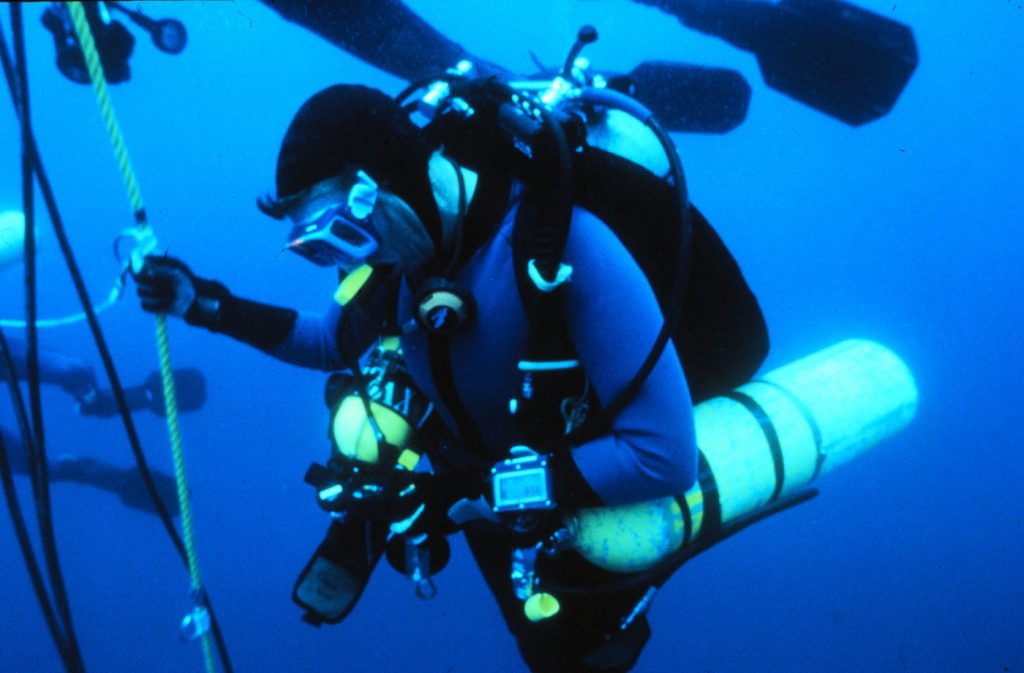
Safeguarding against and handling loose cylinder bands is crucial for the comfort and safety of divers. Here are some pointers for dealing with this problem:
-
Pre-Dive Equipment Check: Divers should carefully examine all of their equipment, including the cylinder band, for any indications of wear, damage, or incorrect adjustment before getting into the water. Slippage during the dive may be avoided by making sure the band is appropriately sized and firmly attached.
-
Correct Adjustment: It is important for divers to take their time adjusting the cylinder band so that it fits snugly without restricting movement or making them uncomfortable. D-rings and buckles placed correctly might aid in keeping the band taut during the dive.
-
Frequent Maintenance: To quickly detect and treat any indications of wear or damage, cylinder bands should be examined and maintained on a frequent basis. Changing out deteriorated straps or buckles might help avoid unexpected malfunctions when diving.
-
Emergency Procedures: Divers should get acquainted with the emergency protocols for handling a loose cylinder band. These protocols include promptly requesting help from their instructor or dive companion and rehearsing alternate techniques for fastening the cylinder in the event of displacement.
-
Open communication is essential for resolving issues with equipment failures or discomfort experienced by divers and instructors. Divers should feel free to report any problems they have with their equipment, such as loose cylinder bands, so that swift remedial action may be taken.
During open-water scuba diving classes, a loose cylinder band might appear like a small annoyance, but it could seriously affect the comfort and safety of the diver. Divers and instructors may guarantee a safer and more pleasurable diving experience for all parties concerned by being aware of the reasons and hazards related to loose cylinder bands and by putting proactive measures for prevention and management into place. To reduce the possibility of cylinder band-related mishaps and to foster a culture of safety among divers, regular equipment maintenance, appropriate adjustment, and efficient communication are essential. Happy and safe diving!