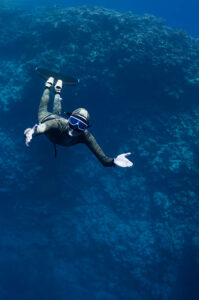
Shark diving is perhaps one of the most thrilling and memorable experiences that any diver could have. But it certainly is not something that any person should undertake lightly. Sharks, despite their reputation, are not mindless predators, but understanding their behavior and ensuring safety during these dives is paramount. This article looks at some steps and training required for diving safely with sharks.
Understanding Shark Behavior
Before getting into the water with sharks, something very important to do is to learn their natural behavior.
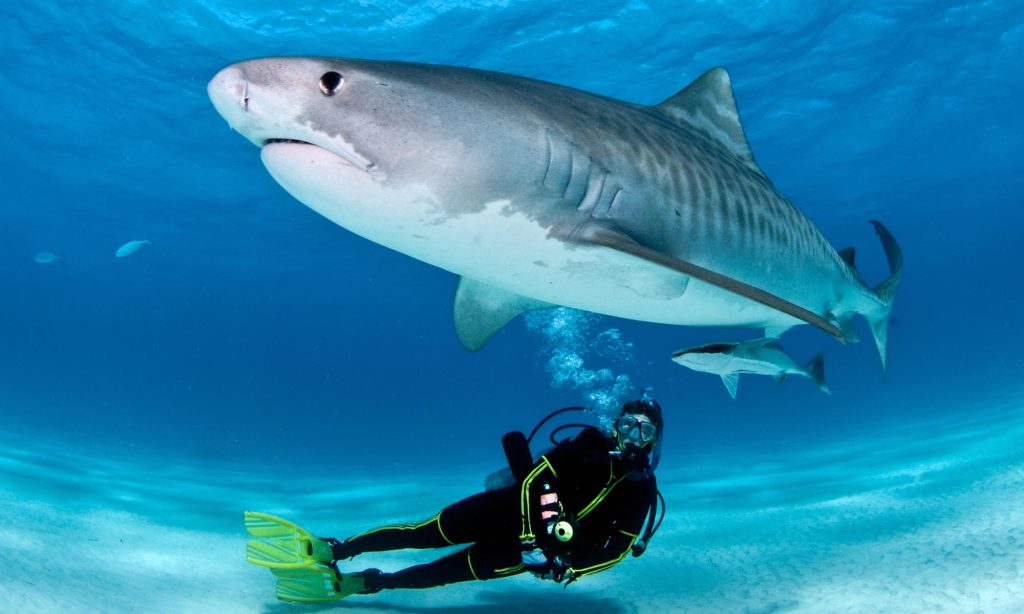
The first important fact to remember is that most sharks are not aggressive towards humans. Many species of sharks are naturally timid and will avoid divers. But there are circumstances that can lead to unwanted confrontations, and learning shark behavior is the first element of diving safely around sharks.
The Basic Facts About Shark Behavior:
- Curiosity: Sharks are curious and may approach divers in proximity.
- Non-aggressive approach: Most sharks in approaching one are out of curiosity, not aggression.
- Body language: In general, the shark shows certain postures when stressed or irritated, like arched back, low pectoral fins, or sudden jerky movements.
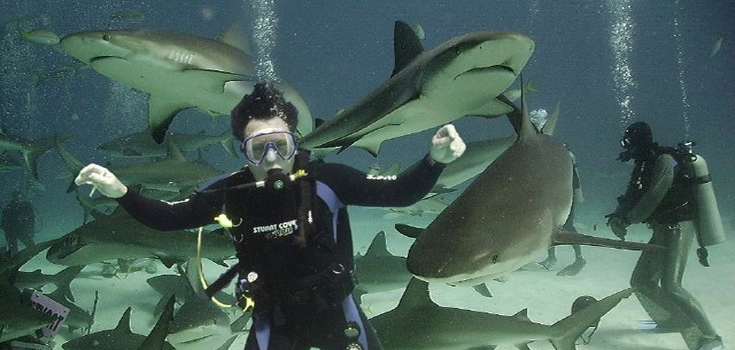
- Feeding zones: It is also recommended to avoid active feeding zones where sharks can become quite assertive in feeding frenzies.
Shark Diving Training Must Haves
A shark dive is never meant for the inexperienced diver. It calls for some kind of specialized training and experience for safety and enjoyment in the water. Here are some areas that the most common courses and training programs in shark diving cover:
1. Advanced Diving Certification
First of all, one has to be an experienced and confident diver before he can take up shark diving. You shall at least have reached the Advanced Open Water Diver certification, as most shark diving is done a little deeper.
2. Buoyancy Control
Good buoyancy is a prime requirement when diving with sharks. Poor buoyancy results in unnecessary movements, which may further irritate the shark or result in an accident. Shark diving training will emphasize perfecting buoyancy control so that you can remain still and calm while observing these creatures.
3. Situational Awareness
Basically, situational awareness forms the very foundation of shark diving safety. A diver is always trained to be generally observant of the happenings in their environment, but most especially so in the presence of sharks. Awareness of where the sharks are in the water, understanding their movements, and being prepared to act accordingly form part of situational awareness training.
4. Entry and Exit Techniques
The conduct of any shark dive entails calm and quiet entry and exit from the water. Any sudden splashing or erratic movements will only invite unwanted interest by sharks. This entails training in proper methods of entry and exit to minimize disruptions.
5. Understanding Shark Species
Different species of sharks also have different behaviors, so learning to identify sharks is part of the course. After learning to identify Great Hammerheads, Bull Sharks, Tiger Sharks, and Reef Sharks, for example, divers may also learn to anticipate specific types of behaviors associated with each species. For example, Oceanic Whitetip Sharks are considered more aggressive than Nurse Sharks, which are generally passive.
Shark Diving Safety Protocols
The following are some of the key safety protocols divers have to observe when diving with sharks.
1. Stay Calm and Confident
Sharks can be sensitive to body language. Sudden erratic movements can make a diver look like prey. Keeping themselves calm and deliberate in their movements are important to keeping such an encounter with sharks peaceful.
2. Respect the Shark’s Space
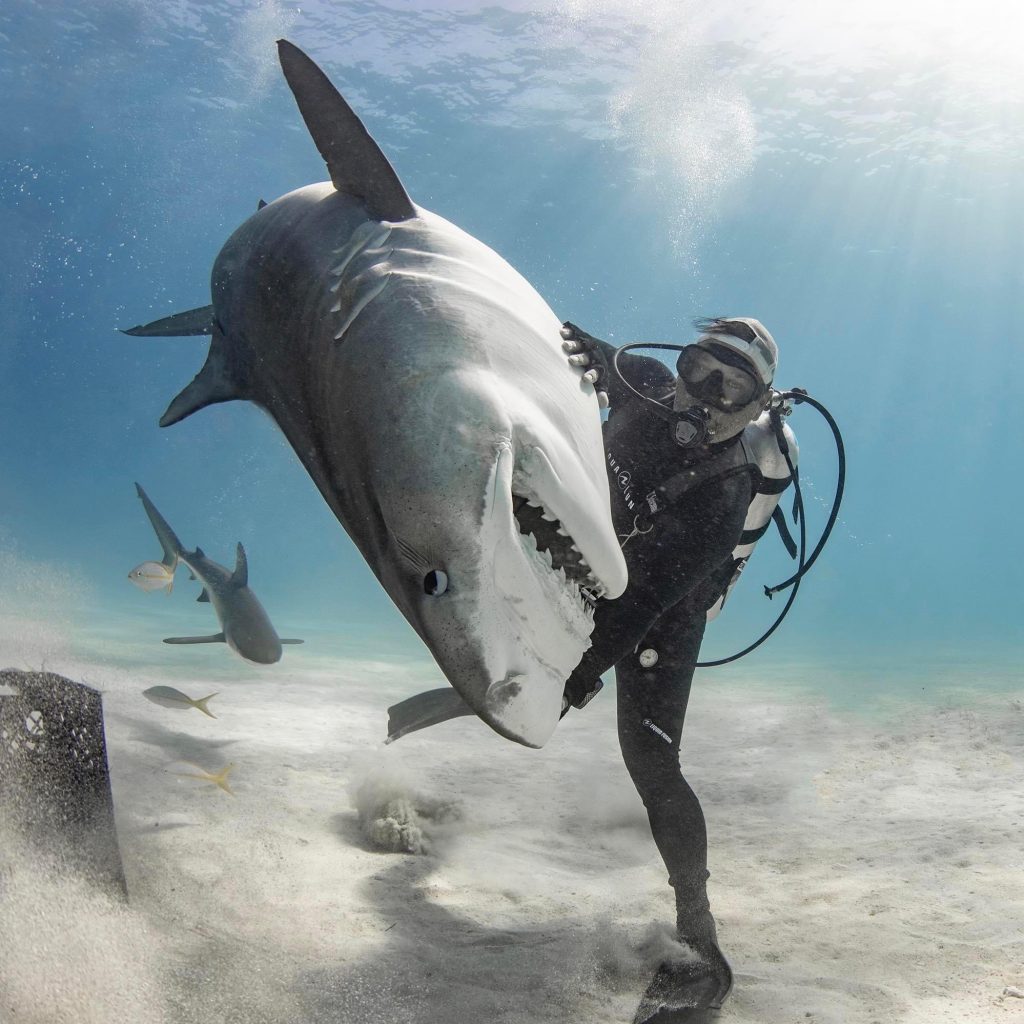
Sharks are not aggressive unless they are provoked or threatened. Keep a safe distance and never corner them. Never try to chase or touch a shark but allow them to come close to you on their terms, if at all.
3. Keep Eye Contact
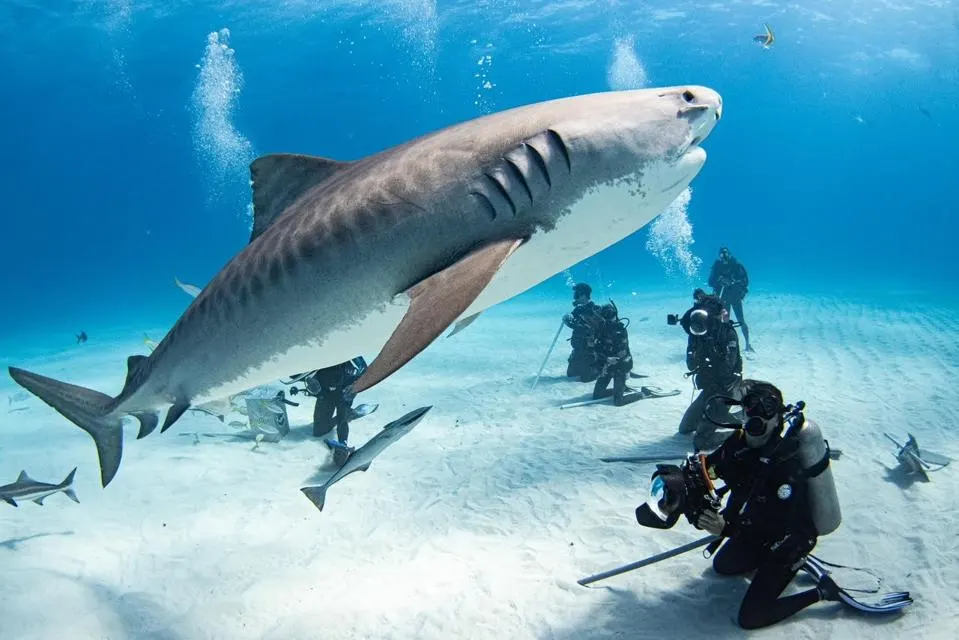
Sharks are also wary of eye contact. Most shark species are behind-the-back attackers, so keeping an eye on the shark while maintaining a steady pose can prevent them from getting closer. Many divers use what is called a “buddy system” in which one diver always faces the shark while their partner monitors surrounding space for any other sharks.
4. No Flashy Gear or Bright Colors
A contrast in color and bright reflections attract sharks, as they perhaps might believe these reflections represent fish scales. Avoid wearing bright-colored wetsuits or flashing jewelry during a shark dive. Neutral colors such as blue, gray, and black work best.
5. Know When to Exit
If the sharks display any of these signals of agitation, which include rapid swimming, irregular movements, or aggressive posturing such as a dropping of their pectoral fins or arching their backs, then it is time to leave the water calmly. Professional shark divers will teach you about these and other cues during your training.
Dive Operators and Shark Diving Experience
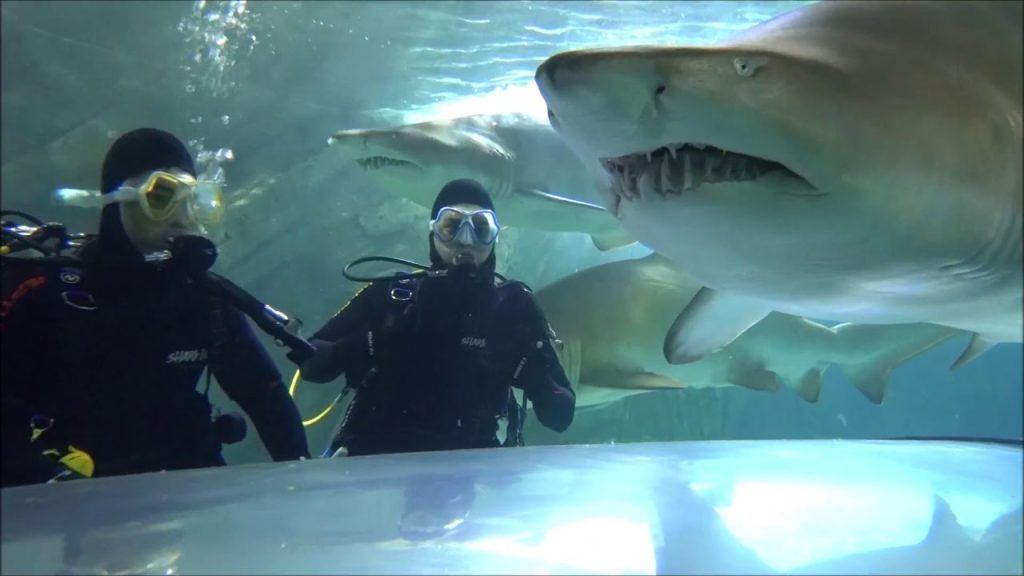
Probably the most practical shark diving training is done by diving with responsible, experienced shark diving operators. These businesses offer specialized courses and expeditions arranged for safe shark encounters. With professional guides, the diving environment will be controlled, and all divers can learn how to handle themselves in respect of sharks without stressing the animal or putting themselves in danger.
Look for operators that:
- Use highly trained and certified dive guides.
- Conduct responsible, sustainable shark diving without feeding sharks in any manner that would alter natural behavior.
- Stress diver safety with thorough pre-dive briefings.
However, shark diving can only be done in an educated manner through rigorous training and insight into shark behavior. Safety will always be foremost. Improve your diving skills, add respect to the space of sharks, and learn to interpret their body language for an incredible and safe dive with these magnificent creatures.
It is an exhilarating challenge that can bring you a life-changing connection with the top ocean predators-and an adrenaline rush you will hardly forget! Happy and safe diving!