If you use contaminated scuba diving equipment, the risk of acquiring an infection or disease is low, however you can get benefit from using clean scuba equipment.
Maintained dive gear is less to cause a dive accident, malfunction and also last longer. Divers Alert Network (DAN) encourages divers from all over the world to review the recommendations of men manufacturers and follow the guidelines when cleaning and sanitizing scuba diving equipment.
In this article, we will tell you how to properly clean your scuba diving equipment in detail, so keep reading.
How to Clean Your Scuba Diving Equipment
in this guide, we will teach you the effective steps of how to clean your scuba diving equipment, including:
- Mouthpieces and Regulators.
- Wetsuits, Gloves and Booties.
- Mask, Snorkel and Fins.
- Buoyancy Compensation Device (BCD).
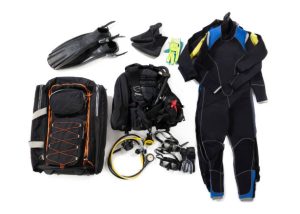
Mouthpieces and Regulators
Ensure that the dust cape in your regulator is dry, clean and secured over the inlet of the first stage, then rinse it as following:
- Submerge your regulator in fresh water for a while.
- Rotate any moving parts gently in order to ensure that you rinse off all the salt residue.
- Make sure that the regulator is dry before storing it.
Use antibacterial mouse wash or alcohol as an extra precaution to broadly sanitize the mouse piece of the second stitch is following:
- First, swab the mouthpiece.
- Scrub it gently with the help of a toothbrush having soft bristles.
- Rinse it well and take care not to press the purge button.
Wetsuits, Gloves and Booties
Neoprene can be degraded and lose its flexibility when submerged in salt water regularly, so if you aren’t diving in fresh water, you must rinse all neoprene items after every dive.
As a scuba diver, you should clean and disinfect your wetsuit, gloves and boots regularly by soaking them in warm water containing with suit cleaner, basic steps including:
- Undo velcro and open the zippers of the suit.
- Submerged is a suit with water and gently massage its items.
- Rinse it thoroughly.
- Let the wetsuit dry by hanging it on thick hangers with zippers open.
- Store it in a well ventilated room and away from direct sunlight or in a place near an operating gasoline engine.
- Always follow the recommendations of the manufacturers.
- Use only the cleaning products that are designed for scuba diving equipment because other cleaners can damage your gear.

Mask, Snorkel and Fins
Rinse your mask, snorkel and fins after every use with fresh and clean water, then let them dry completely before storing in order to prevent mildew growth.
Remember to rotate any moving parts to remove sand, salt and other debris with water. sanitize the mouthpieces of the snorkel in the same way you do with mouthpieces of the regulate.
Buoyancy Compensation Device (BCD)
Rinse the exterior part of your BCD thoroughly with clean and fresh water. If you can remove the weight pockets, do this and rinse every part separately.
It will be good to rinse the inside part of your BCD, do that as following:
- Dump any water that has entered the bladder while diving.
- Clean the bladder by pouring clean and fresh water into the bladder using the low-pressure inflator hose.
- Inflate your BCD orally, then shake the water around the bladder that is fully inflated.
- Invert your BCD so that the inflator hose is at the lowest point and ensure to dump out the excess water.
- After thoroughly rinsing your BCD, inflate it about halfway, then let it dry completely before storing it. Make sure to store it away from direct sunlight.
For proper maintenance, follow the manufacturer’s guidelines of how to clean your scuba diving equipment. Remember to inspect your scuba diving equipment before every use and service it regularly.
If you want to learn more about equipment care, maintenance and basic repairs, ask for an equipment maintenance course from the nearby dive shop.