Summer’s here, and the water’s calling—but before you dive in, don’t forget your eyes. Whether you’re splashing in a pool, drifting in the sea, or chasing waves at the beach, you need to be aware of chlorine, salt, sun, and bacteria, as they can cause harm to your vision.
From blurred sight to painful irritation, the risks are real, but can be totally prevented. In this guide, let’s learn about 10 essential tips to protect your eyes and keep them safe, clear, and comfortable all summer long.
10 Essential Tips to Protect Your Eyes This Summer
Summer sun, dust, and dry air can be tough on your eyes. This quick guide shares 10 easy tips to protect your eyes and keep them safe, comfy, and clear all season long, including:
- Hydrate.
- Ditch the Contacts.
- Don’t Open Your Eyes Underwater.
- Rinse Your Eyes After Swimming.
- Use Lubricating Eye Drops.
- Wear Goggles.
- Try Prescription Sunglasses or Transitions Lenses.
- Get a Pair of Prescription Goggles.
- Ask Your Eye Doctor About Eye Drops.
- See Your Eye Doctor If Necessary.
Ditch the Contacts
Contacts are also one of the big tips to protect your eyes while swimming. Although some people depend on them to have a clear vision, they shouldn’t be worn underwater.
Although it’s rare, it can lead to a medical condition called “acanthamoebic keratitis”. It mainly occurs when an amoeba becomes stuck under your contact. Unfortunately, this can lead to vision damage.
Don’t Open Your Eyes Underwater
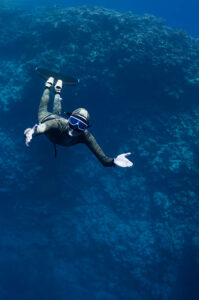
Almost all of the swimmers have done it! But, we still shouldn’t open our eyes underwater. Chlorine can cause eye infections and dryness. And, in the case of swimming or scuba diving in the ocean, the salt water can cause irritation to your eyes, too.

Rinse Your Eyes After Swimming or Scuba Diving
Rinse your eyes using the solution of the contact lens after getting out of the pool. This will help you to remove any residual chlorine that could cause irritation.
Use Lubricating Eye Drops
Use lubricating drops before and after swimming in order to help prevent your eyes from dryness. Consult your eye care provider on a recommended brand to ensure they’re both safe and effective.
Wear Goggles
Don’t worry, you can spot everything underwater safely with a pair of goggles—and ensure that they have the proper fit. Otherwise, the water will flood in and ruin what you’re trying to do.

Try Prescription Sunglasses or Transitions Lenses
Even if you’re just standing in the water or dipping your feet, your eyes still need protection from the sun. Put on a pair of prescription sunnies or transition lenses to protect your eyes and look good too.
Get a Pair of Prescription Goggles
Sunglasses aren’t the only option of prescription eye protection that you can wear this summer. You can use prescription goggles if you don’t want to swim with contacts.
Ask Your Eye Doctor About Eye Drops
Have you ever noticed itchy, dry eyes after leaving the pool? The corneas might have become dehydrated! Eye drops can fix the dryness caused by chlorine. Just consult your eye doctor first, to help you find the best choice for your needs.
See Your Eye Doctor If Necessary
Nobody wants to end their beach day early! However, if you feel a burning sensation in your eyes, sudden worsening in your vision, or discharge, it is recommended to visit your eye doctor.