Imagine a diver who doesn’t know the meticulous procedures that ensure the tank’s dependability when they depend on it for their oxygen supply. The hidden efforts make sure that every breath taken below the surface is safe, from painstaking inspections to pressure checks. This investigation will reveal the complex processes and critical role that tank maintenance and testing play, providing insight into how these procedures keep divers safe in the uncharted sea.
The Value of Maintaining Scuba Tanks
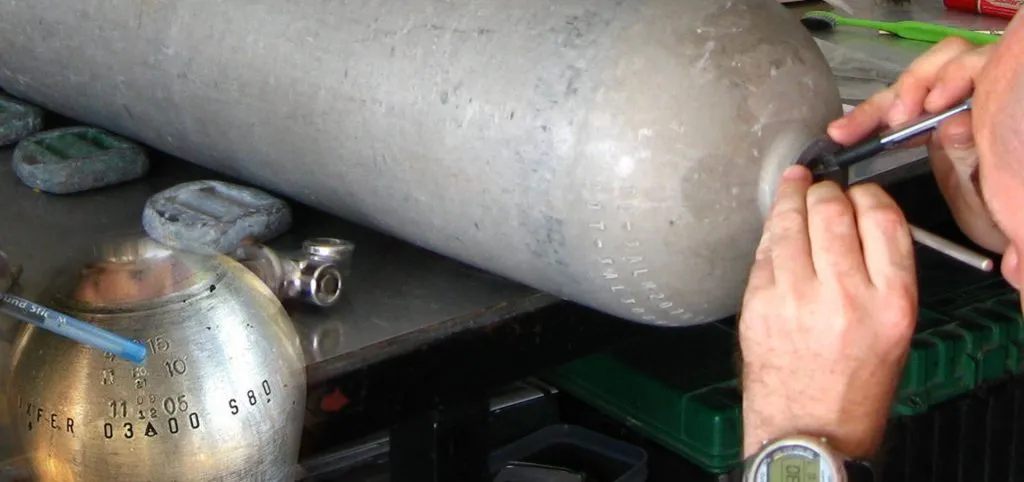
Underwater divers use a cylinder, sometimes called a scuba tank, to hold compressed air. Keeping the tank in top shape is crucial because of the tremendous pressure inside and the importance of the contents. Frequent upkeep facilitates:
- Assure Safety: Properly maintained tanks lessen the possibility of faults or breakdowns that can result in underwater circumstances that could endanger lives.
- Extend Lifespan: A scuba tank’s lifespan may be greatly increased with proper care and upkeep, adding value over time.
- Sustain Performance: Well-maintained tanks provide a steady and dependable flow of air, which improves the diving experience as a whole.
Standardized Maintenance Techniques
Visual Inspections: The first line of defense in tank maintenance is a routine visual check. Before and after every dive, these should be performed to look for any wear, corrosion, or obvious damage. Keep an eye on the O-rings, valves, and outside of the tank.
- Cleaning: To get rid of any salt, sand, or debris, tanks should be cleaned on a regular basis. After every dive, give the exterior a thorough rinse with fresh water and let it dry fully before storing. Seek expert assistance for inside cleaning to prevent damage to the tank.
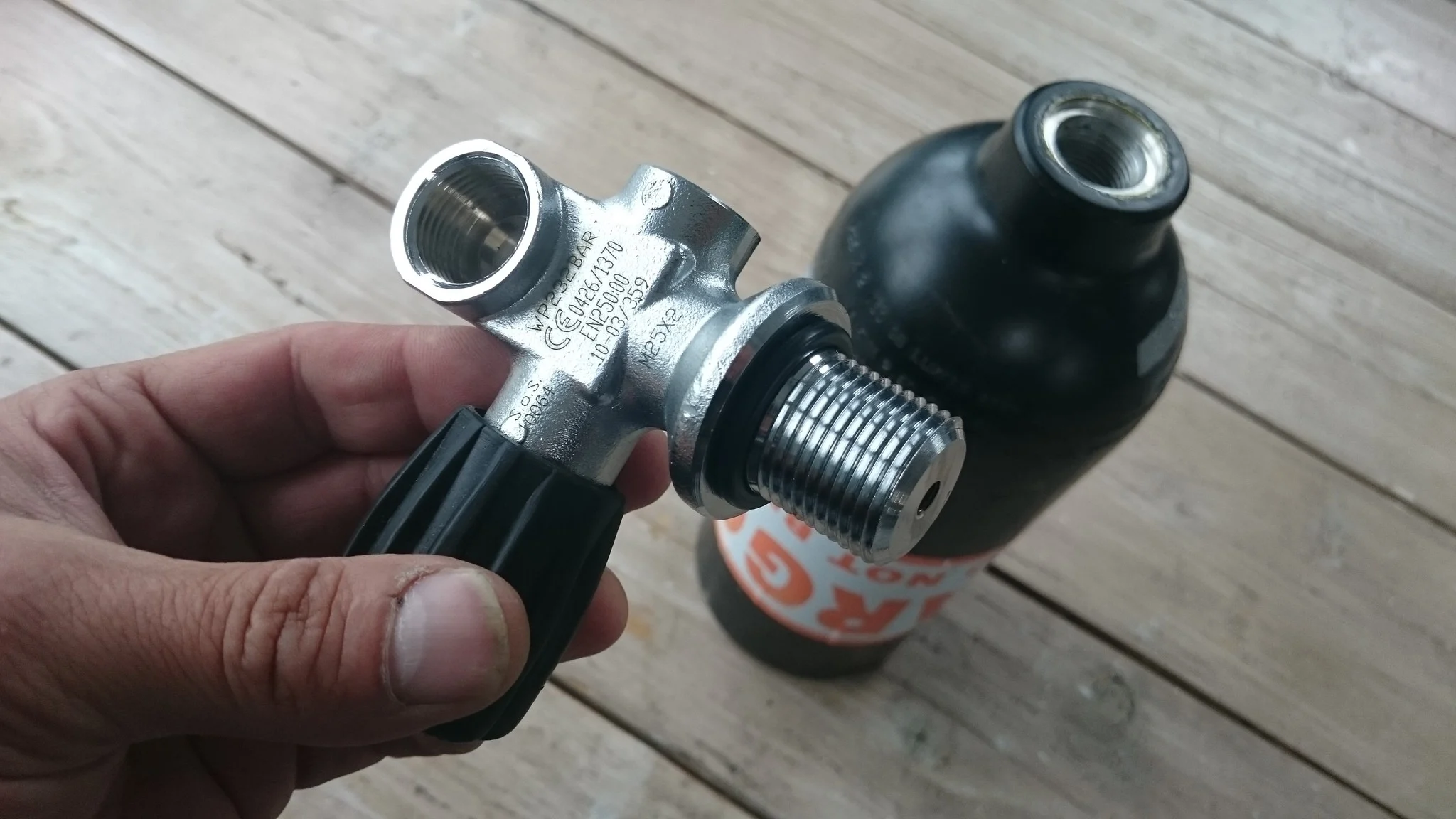
- Maintenance of the Valve: Regular inspections of the tank valve are necessary as it is a vital component. Look for any indications of wear or leakage. A trained technician should disassemble, clean, and lubricate the valve on a regular basis.
- Appropriate Storage: Keep tanks out of direct sunlight and corrosive conditions by keeping them in a cool, dry location. To keep the tanks from toppling over or dropping, make sure they are securely fastened.
Testing Hydrostatically
A more thorough method of evaluating a scuba tank’s structural integrity is hydrostatic testing. This test determines how well the tank can tolerate the pressures it encounters on a daily basis.
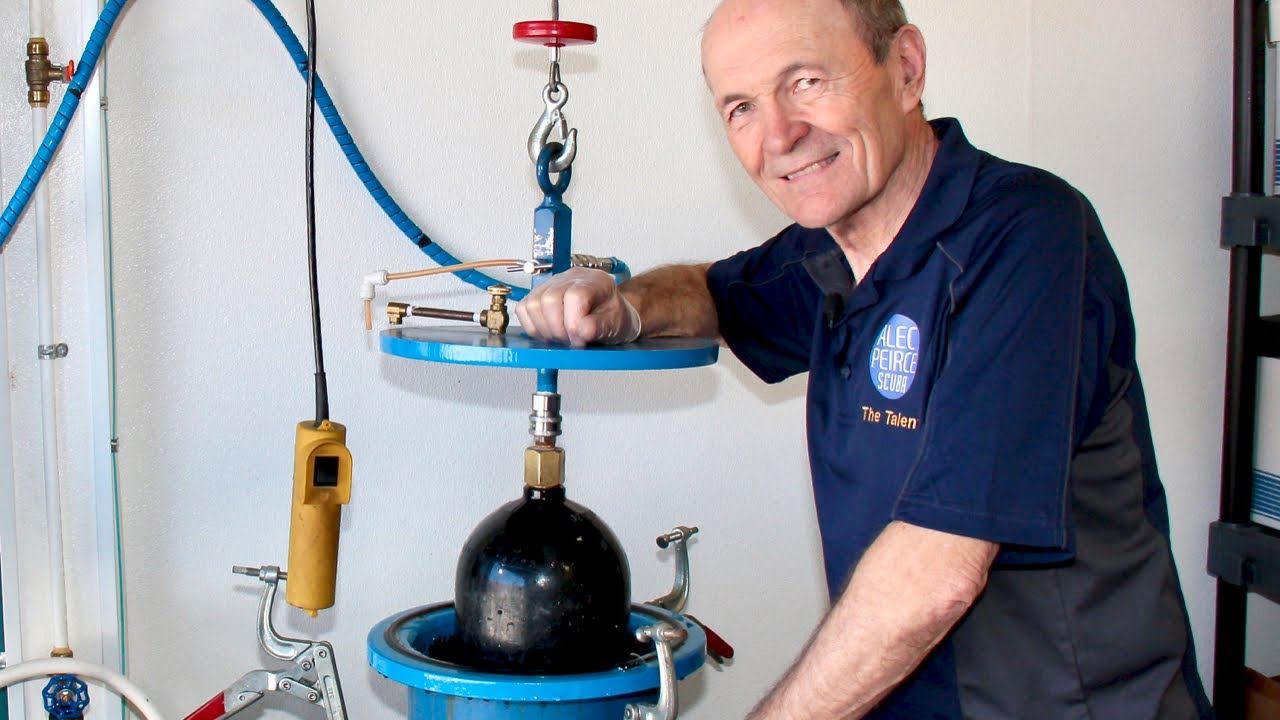
Hydrostatic Testing: What Is It?
The process of hydrostatic testing is adding water to the tank and then applying pressure on it that is much more than its typical operating pressure. The growth of the tank is measured and contrasted with permitted bounds. This test aids in locating any structural flaws or weaknesses in the tank that can cause it to fail under pressure.
Why is it required?
The importance of hydrostatic testing is due to:
- Verifies that the tank is safe to contain and supply compressed air without having to worry about it bursting. This ensures structural integrity.
- Regulatory Compliance: To guarantee that diving equipment satisfies safety requirements, several nations and diving associations need routine hydrostatic testing.
- Identifies Hidden flaws: Hydrostatic testing can identify internal or subtle flaws that may not be apparent to the unaided eye, whereas visual examinations can identify obvious faults.
Testing Duration
Hydrostatic testing frequency might vary based on tank type and local requirements. Hydrostatic testing for diving tanks is usually necessary every three to five years. To guarantee compliance, you should always refer to the manufacturer’s instructions and local diving laws.
Selecting an Examination Center
A recognized and accredited establishment should carry out hydrostatic testing. Search for:
- Certification: Verify that the facility has the necessary certifications to test diving tanks hydrostatically.
- Experience: Opt for a facility that has a track record of success and has managed diving equipment before.
- Reputation: To discover a dependable testing service, ask other divers or dive businesses for references.
Hydrostatic testing and proper tank maintenance are essential procedures that guarantee the dependability and safety of diving gear. Divers may enjoy the undersea environment with peace of mind knowing their equipment is in excellent condition by following these guidelines. Every diver should place a high priority on prompt testing, appropriate care, and routine inspections as investments in safety. Happy and safe diving!