The excitement of discovery is lessened as you float farther since you have to pay more attention to your surroundings and gear. Depth gauges and pressure gauges are essential tools in the fascinating world of scuba diving because they help you navigate the depths and guarantee a safe surface exit. For every diver, these little devices are a need since they provide real-time data that may make the difference between a safe and enjoyable dive and a hazardous scenario. Immersion diving is an exciting opportunity to learn about the vital functions of pressure and depth gauges and how they keep divers informed and safe below the surface.
Depth Gauges
Use and Significance
A depth gauge gives you the current depth in real-time, making it a vital tool for every diver. Understanding one’s depth is important for a number of reasons:
- Preventing Decompression Sickness: Also referred to as “the bends,” decompression sickness is a condition that arises when divers ascend too rapidly, leading to the formation of nitrogen bubbles in the blood. Keeping an eye on the depth allows divers to control their ascent pace.
- Dive Planning: To optimize bottom time and reduce dangers, many dive plans include adhering to strict depth limitations.
- Safety pauses: To enable extra nitrogen to be released from their bodies, divers frequently conduct safety pauses at a depth of around 15 feet for a few minutes.
Types of Gauges for Depth
- Analog Depth Gauges: The Bourdon tube mechanism is used by these conventional gauges to measure depth. They show the current depth visually with a needle that travels along a dial in response to variations in depth. Analog gauges are renowned for being straightforward and dependable.
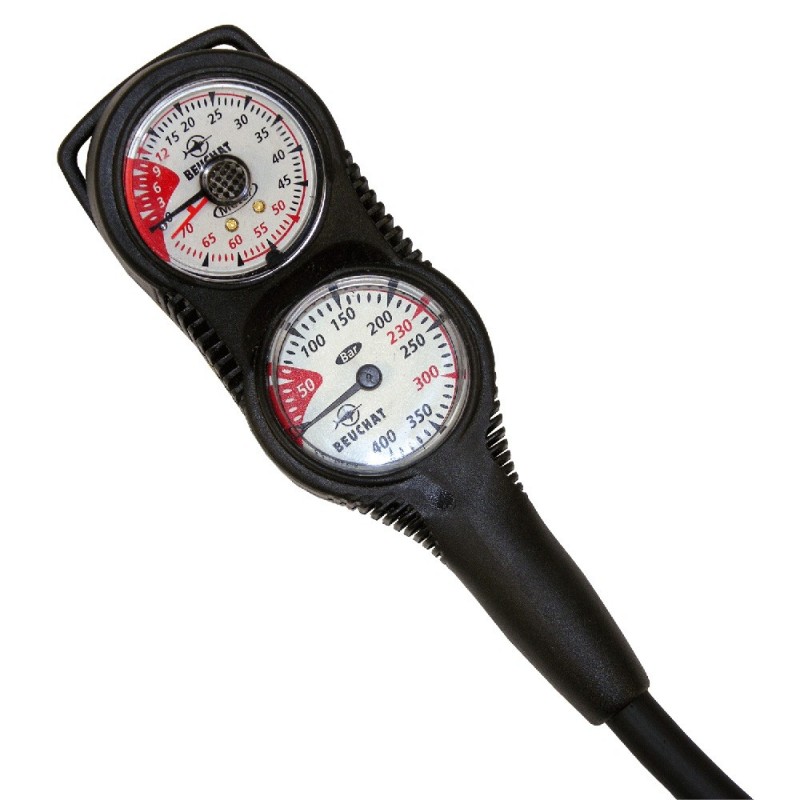
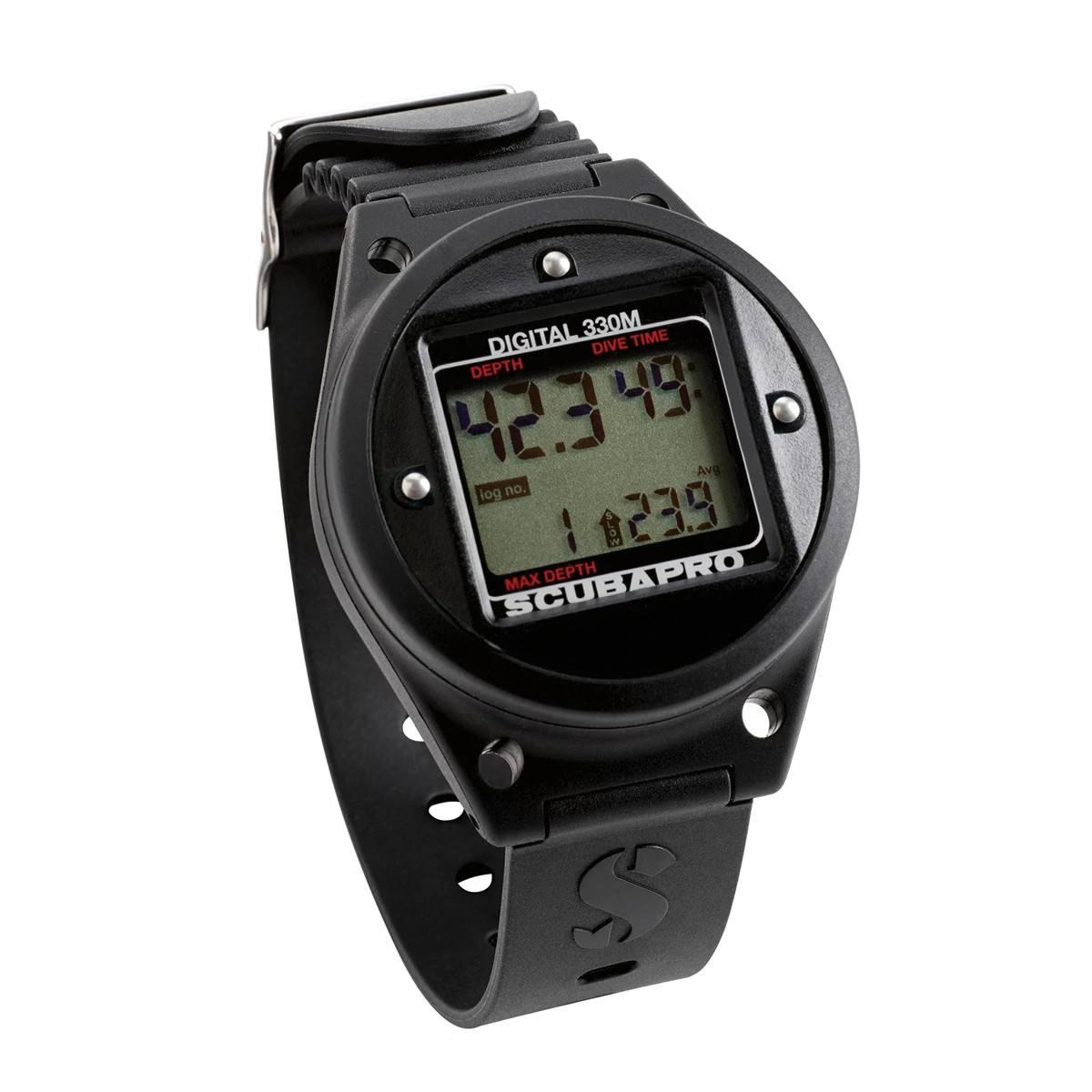
- Digital Depth Gauges: Digital gauges detect depth using electronic sensors and show the data on an LCD screen. They frequently have other characteristics like water temperature, dive time, and maximum depth attained. Because they are accurate and simple to read, digital gauges are preferred.
Gauges of Pressure
Use and Significance
A submersible pressure gauge (SPG), often referred to as a pressure gauge, is used to assess how much air is left in a diver’s tank. In order to control air supply and guarantee a secure return to the surface, this information is essential. Underwater, running out of oxygen can cause fear and hazardous rescue ascents.
Different Pressure Gauge Types
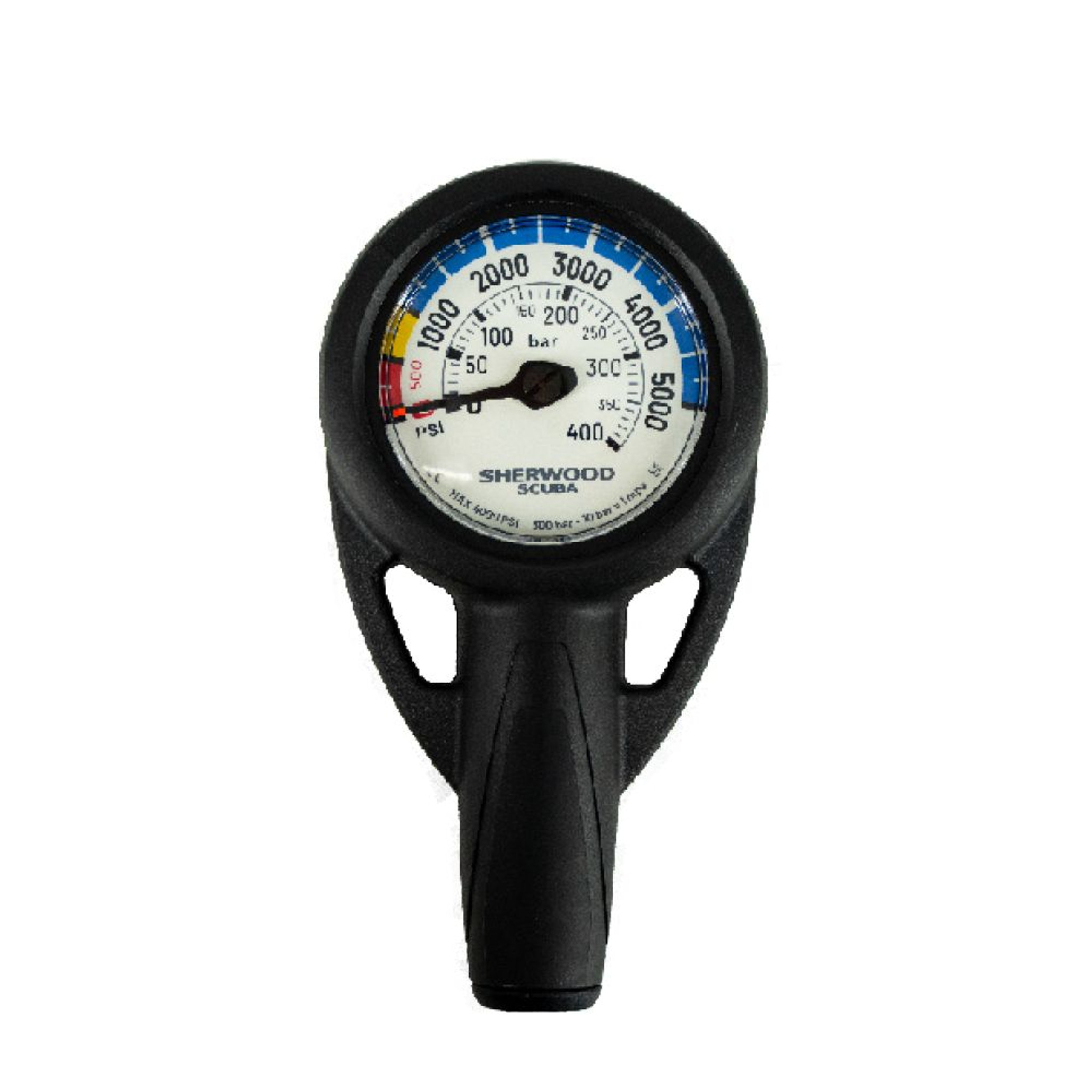
- Analog pressure gauges: These gauges display the pressure on a dial using a needle. Usually, a high-pressure hose is used to link them to the regulator’s first stage. Divers use analog pressure gauges because they are simple to use and long-lasting.
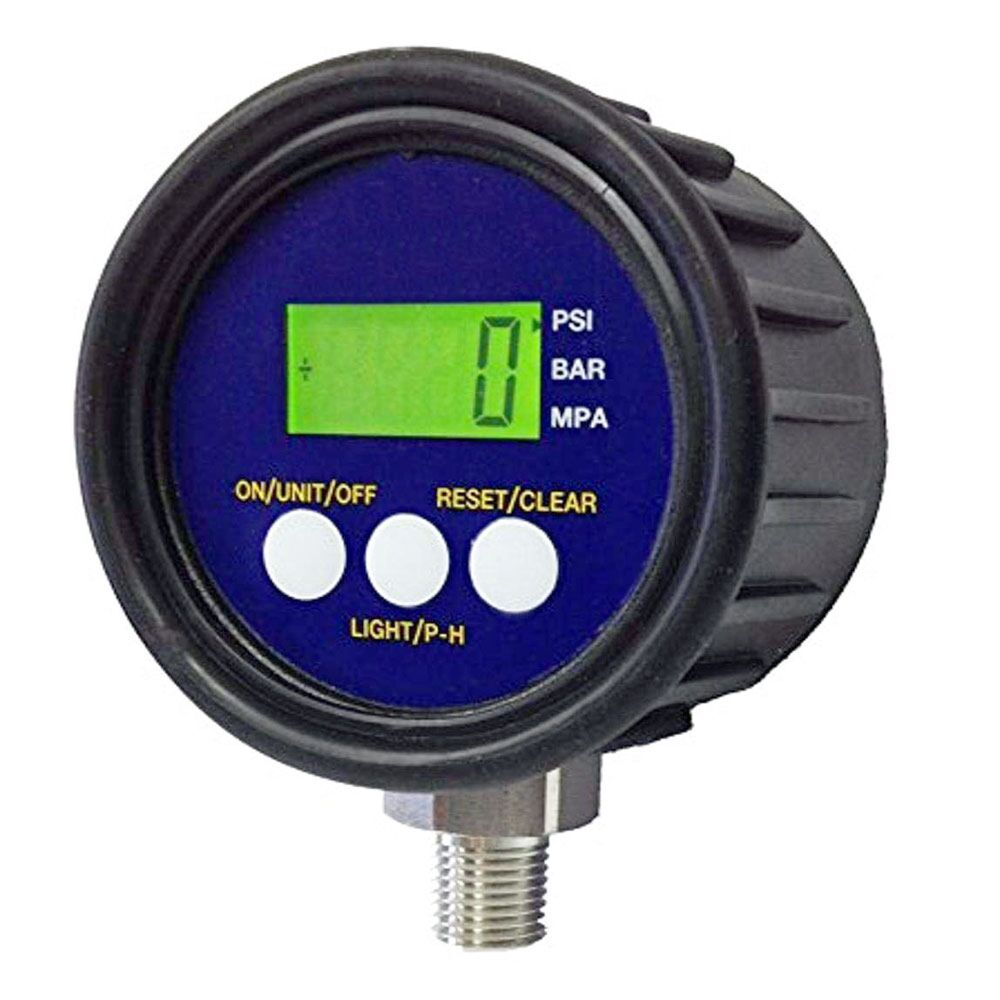
- Digital pressure gauges: These gauges monitor tank pressure using electronic sensors and show the results digitally. A thorough picture of the diving state is provided by some digital pressure gauges that are integrated into dive computers. They frequently have low air pressure warnings, which increases safety even further.
Scuba Diving Computers Integrated
Integrated dive computers, which include pressure gauges, depth gauges, and other monitoring equipment in a single gadget, are a product of modern technology. Many functions are available on these computers, such as:
- Dive Logs: Keep track of time, depth, and other information for every dive.
- Nitrox Compatibility: Diving Profile Calculation for Various Gas Mixtures.
- Wireless Air Integration: Enabling a transmitter mounted on the regulator to wirelessly send tank pressure data to the computer.
Upkeep and Concern
For depth and pressure gauges to be accurate and long-lasting, proper maintenance is necessary. Check them frequently for wear or damage, and get expert servicing done if needed. After every dive, rinse the gauges with fresh water to get rid of any salt and debris, then keep them somewhere dry and cold.
As essential equipment for ensuring safety and optimizing the diving experience, depth gauges and pressure gauges are used by scuba divers. Divers need to know how to use and maintain these equipment correctly, whether they are utilizing more contemporary digital equivalents or more conventional analog ones. With ever-increasing capability, integrated dive computers provide confident and worry-free underwater exploration, thanks to technological advancements. Happy and safe diving!