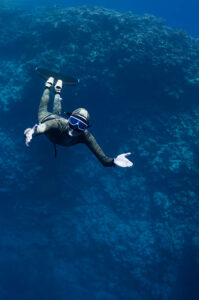
Imagine moving through the twisting passageways of a buried shipwreck or slicing through the depths of a secret underwater tunnel with each kick sending you ahead with force and accuracy. Fins are a vital piece of equipment that may make the difference between a risk-free dive and a hazardous battle for technical divers. They are more than simply a tool for propulsion. To achieve the best possible performance, control, and safety in the harshest settings that characterize technical diving, it is imperative to select the appropriate fins. Discover how the ideal set of fins may completely change your underwater experiences by exploring our in-depth guide.
How Fins Affect Technical Diving
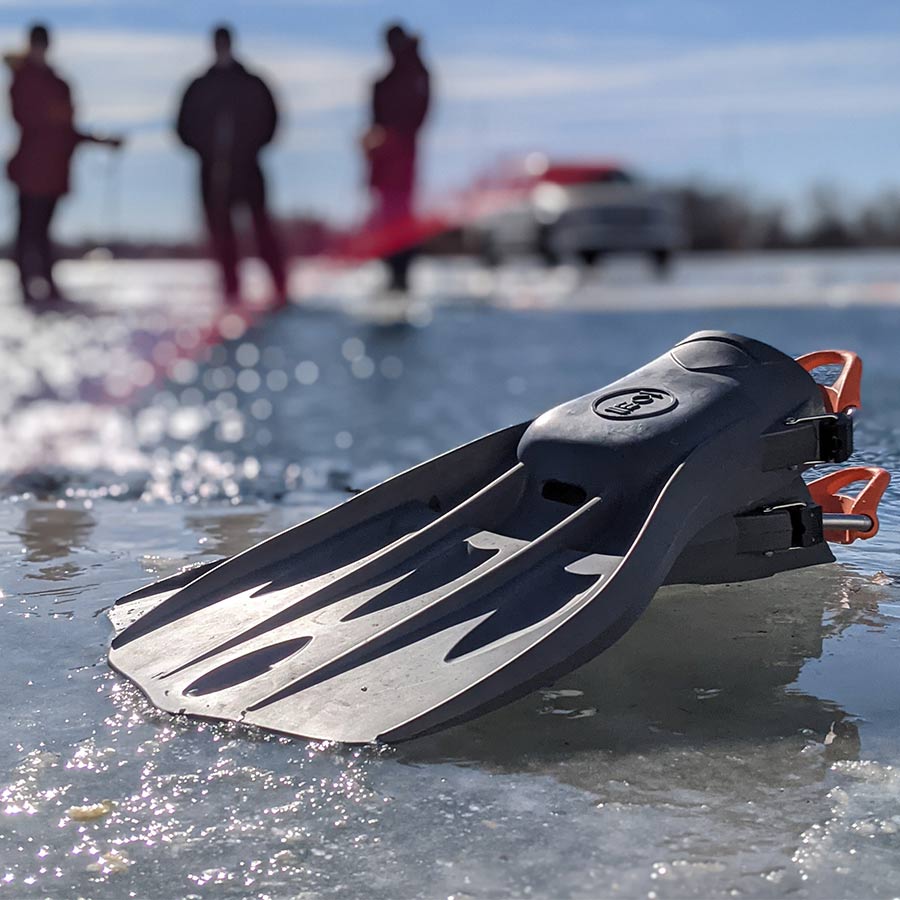
Strong currents, caverns, and deep wrecks are just a few of the challenging situations that technical divers frequently encounter. In these cases, effective fins can significantly improve things by:
- Ensuring Efficient Propulsion: Technical divers may have to go great distances underwater while carrying heavy gear. Divers can move more quickly and with less energy when they have well-propelled fins.
- Improving Maneuverability: Technical dives frequently require maneuvering through confined places and challenging terrain. For safe movement, fins that provide accurate control and fast reaction times are crucial.
- Ensuring Control and Stability: It’s critical to keep things stable in trying circumstances. Divers can better maintain their position and minimize environmental disturbance by using fins that provide balance and control.
Important Technical Diving Fin Features
Take into account the following characteristics when choosing fins for technical diving to make sure they fulfill the requirements of your dive activities:
- Material: High-quality materials offer performance, flexibility, and durability. Examples of these materials are carbon fiber, thermoplastic rubber, and monoprene. These materials provide superior propulsion and can endure severe environments.
- Blade Design: The performance of the fin is greatly influenced by the blade design. For optimal power, technical diving fins usually include a broad, rigid blade. Certain fins have channels or vents to lower drag and boost effectiveness.
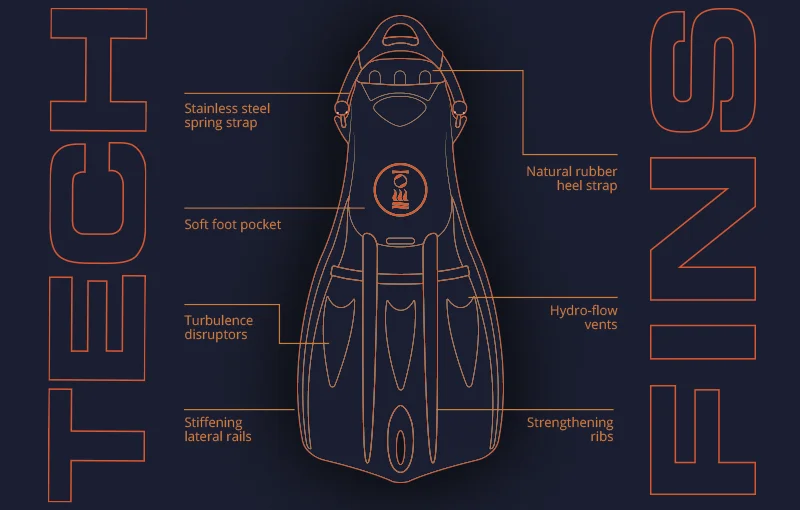
- Foot Pocket: It is crucial to have a foot pocket that is both safe and cozy. It should fit thick wetsuit boots or dry suit boots used for technical diving. For a snug fit, an adjustable strap design with an open heel is typical.
- Weight and Buoyancy: The fins’ combined weight and buoyancy have an impact on the diver’s overall balance and trim. Fins with neutral or slightly negative buoyancy are frequently chosen in order to keep a streamlined appearance.
- Durability: Technical diving fins need to be strong and resilient to abrasions. The fins are made to survive through challenging dives because of their robust design and reinforced edges.
Best Technical Diving Fins
These are a few of the top fins for technical divers that are well-known for their functionality, robustness, and style:
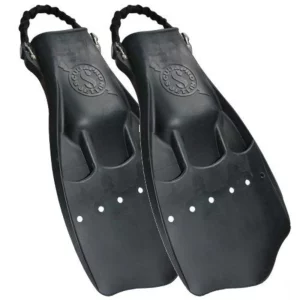
- Scubapro Jet Fin: A traditional option for technical divers, the Scubapro Jet Fin has a broad, rigid blade that offers exceptional propulsion and sturdy rubber construction. Since there is less drag due to the vented shape, powerful currents may be kicked more easily.
- Hollis F1 Bat Fin: The sturdy build and effective design of the Hollis F1 Bat Fin are well-known. The vented blade provides excellent propulsion and less drag, while the neoprene material assures longevity. Dry suit boots fit easily in the roomy foot compartment.
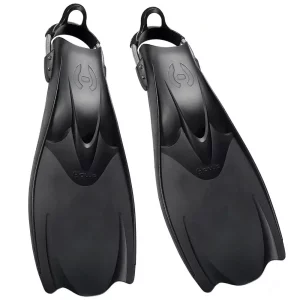
- Apeks RK3: Constructed using feedback from public safety and military divers, the Apeks RK3 fins are composed of robust thermoplastic rubber. Technical diving is made possible by the small and stiff blade, which provides outstanding mobility and propulsion.
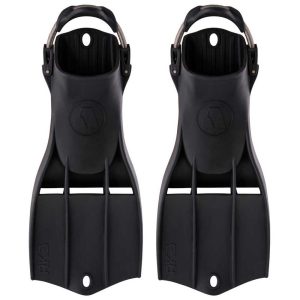
- Deep Six Eddy Fin: Because of its monoplane structure, the Deep Six Eddy Fin is lightweight but forceful. Great control and propulsion are provided by the short, strong blade, and the open-heel design allows dry suit boots to fit comfortably.
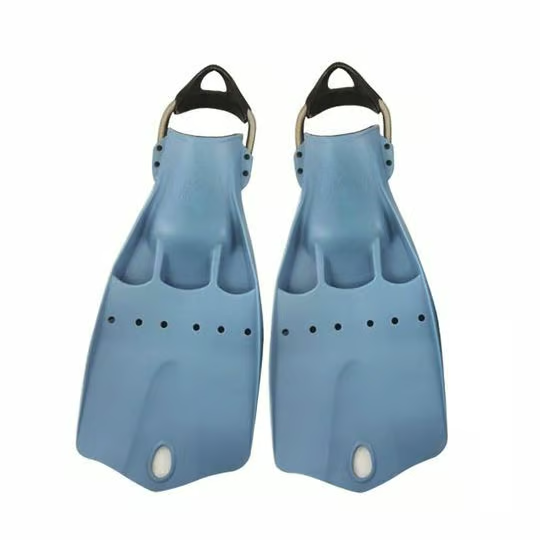
- OMS Slipstream: The OMS Slipstream fins provide an excellent mix of power and control since they are made of lightweight neoprene material. The large blade guarantees effective propulsion, while the vented shape minimizes drag.
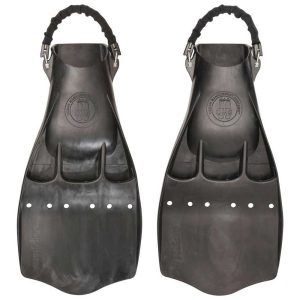
For technical diving, choosing the appropriate fins is essential to your underwater enjoyment, efficiency, and safety. Divers can choose fins that suit their unique demands by taking into account variables including material, blade design, comfort of the foot pocket, weight, and durability. The Apeks RK3, OMS Slipstream, Hollis F1 Bat Fin, Scubapro Jet Fin, and Deep Six Eddy Fin are all great options that provide the performance and dependability needed for technical diving. Purchasing top-notch fins will improve your diving experience and give you more control and confidence when navigating the underwater environment. Happy and safe diving!