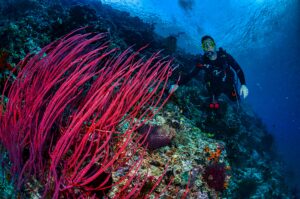
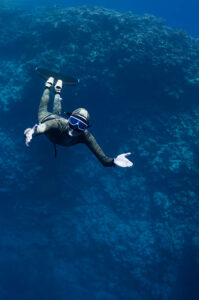
Scuba diving is an exhilarating activity that allows individuals to delve into the mysteries of the underwater world and witness its stunning beauty up close! But have you ever stopped to think about how this extraordinary activity came to be? You’ve probably heard of Jacques Cousteau, the famous ocean explorer and inventor of the Aqua-Lung. What you may not know is just how pivotal he was in opening up the underwater world to humanity. Before Cousteau and his famous red cap, the ocean depths were a mystery. His invention of scuba gear gave us the keys to explore beneath the waves for the first time.
Thanks to Cousteau’s pioneering work, you now have the opportunity to breathe underwater and experience the wonders of the sea for yourself. Whether diving in crystal-clear Caribbean waters, exploring a historic shipwreck, or coming face to face with sharks, Cousteau made what was once unfathomable now within our reach.
Cousteau’s passion for the ocean was contagious. He made us fall in love with the underwater world and understand why it’s worth protecting. Thanks to Captain Cousteau, we can all be explorers of the final frontier—the oceans. His spirit of adventure lives on for anyone with a snorkel and sense of wonder about what lies beneath the waves.
Jacques Cousteau’s Early Life and Inspiration for the Sea
Jacques-Yves Cousteau was born in France in 1910 with an innate curiosity about the sea. As a child, Cousteau loved to explore the waters of the Mediterranean, captivated by the diverse marine life just below the surface. His passion for adventure led him to pursue a career in the French Navy, where he received rigorous training in navigation, engineering, and seamanship. During World War II, Cousteau and engineer Émile Gagnan invented the Aqua-Lung, an early form of scuba gear that allowed divers to explore underwater for extended periods. The Aqua-Lung opened up a whole new world of underwater exploration and discovery.
Cousteau’s first underwater films
In the late 1940s, Cousteau acquired a former British minesweeper which he transformed into an oceanographic research vessel and named Calypso. Aboard Calypso, Cousteau and his team pioneered new methods of underwater filmmaking, recording some of the first footage of life beneath the sea. Cousteau’s early documentaries like The Silent World captured the imagination of viewers around the globe and brought public awareness to the wonders and fragility of ocean ecosystems. Through his films, books, and later his long-running television series The Undersea World of Jacques Cousteau, Cousteau educated generations about the sea and inspired many to become involved in marine conservation. Thanks to this pioneering explorer and filmmaker, the world below the waves has been unlocked and revealed to all in a way never before possible.
Developing the Aqualung: Unlocking Underwater Exploration
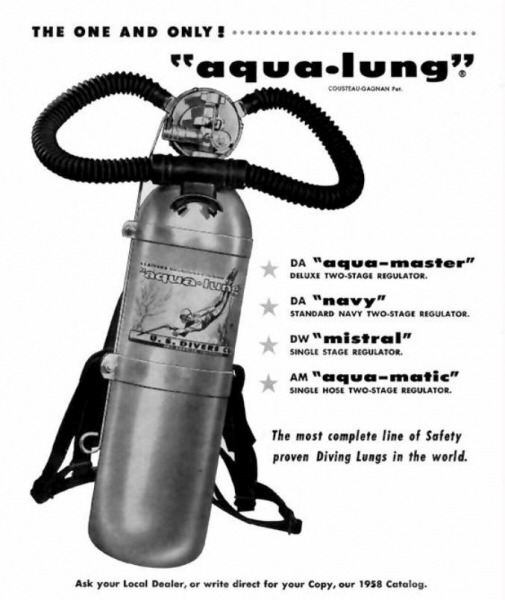
When Jacques Cousteau developed the first self-contained underwater breathing apparatus (SCUBA) in 1943, he unlocked the ability for humans to explore the ocean depths. Called the Aqua-Lung, this technology allowed for extended underwater exploration and revolutionized scuba diving. The Aqua-Lung consisted of a demand regulator and two high-pressure air tanks. Unlike other rebreathers at the time that recirculated the same air, the Aqua-Lung delivered fresh air on demand. This allowed divers to stay underwater for longer periods without risking oxygen poisoning or carbon dioxide buildup.
Exploring the Mediterranean (1950-1966)
Cousteau’s first expeditions aboard the Calypso were in the Mediterranean Sea. He filmed shipwrecks, investigated coral reefs, and studied migration patterns of whales and dolphins. His team made many discoveries, including an underwater “Grand Canyon” in the Strait of Messina and a rare shark called the goblin shark. Footage from these early voyages was featured in his first documentary The Silent World, which won several Academy Awards.
Crossing Oceans (1966-1975)
In 1966, Cousteau took the Calypso on her first Atlantic crossing to explore the coasts of North and South America. The team studied gray whales in the Pacific, shark behavior in the Bahamas, and even discovered several new species of fish in the waters of Chile and Peru. These epic, months-long journeys yielded groundbreaking insights into the diversity of life in Earth’s oceans.
Protecting the Planet (1975-1996)
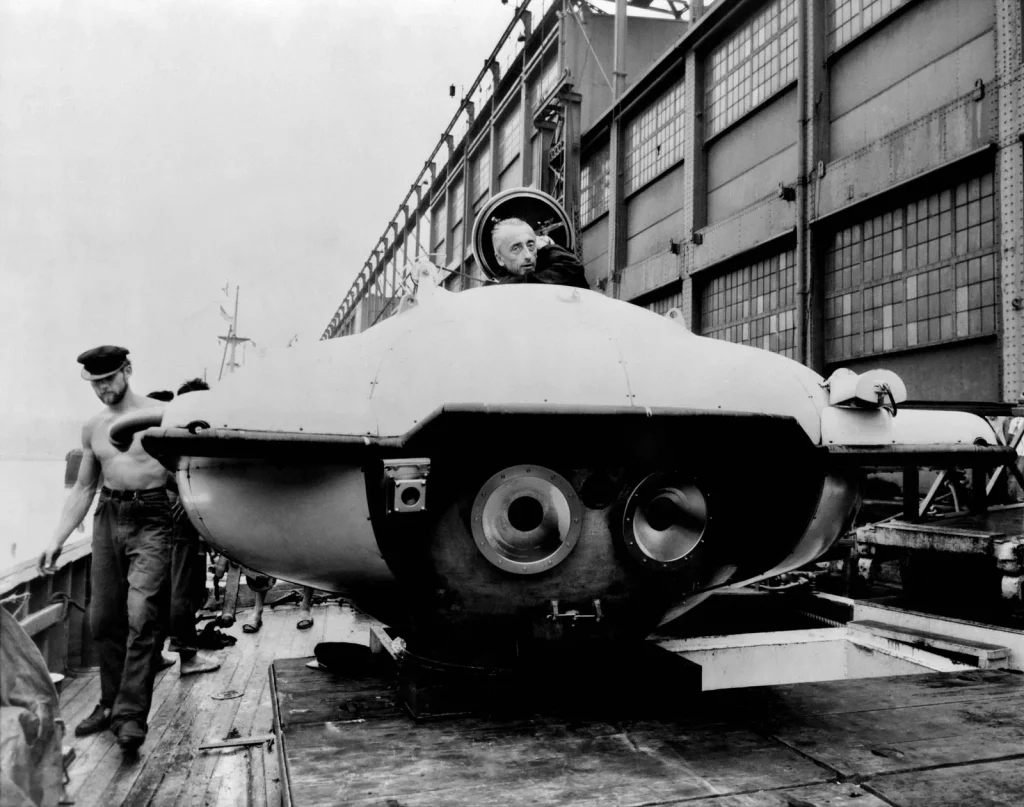
In his later years, Cousteau used the Calypso as a platform to raise awareness of environmental issues like pollution, overfishing, and habitat destruction. His documentaries warned of the devastating impacts of human activity on marine ecosystems and biodiversity. Though Cousteau passed away in 1997, the Calypso continued to serve as an ambassador for ocean conservation and education until her retirement in 1996. The Calypso opened up the underwater world and revealed its wonders to millions. Through his voyages aboard this legendary ship, Jacques Cousteau fostered a deeper understanding of the sea and inspired generations to protect the planet. His pioneering work aboard the Calypso changed the course of ocean exploration and conservation forever.
The Undersea World of Jacques Cousteau
In the late 1960s, Cousteau brought the ocean into living rooms around the world through his popular TV series The Undersea World of Jacques Cousteau. The show aired for nine seasons and covered Cousteau’s adventures aboard his iconic ships Calypso and Alcyone. Each episode focused on a different marine theme, from whale migration to shipwrecks. With Cousteau as the enthusiastic host, the show inspired wonder and curiosity about the sea. Cousteau’s films and documentaries revealed the ocean’s beauty and fragility. His work sparked public interest in marine conservation and paved the way for modern underwater filmmaking and photography. Though criticized at times for disturbing wildlife or promoting tourism in sensitive areas, Cousteau’s films were instrumental in building mainstream support for protecting the oceans. His memorable portrayals of sea turtles, whales, and other charismatic megafauna helped transform them into environmental symbols and ushered in an era of increased concern over pollution, habitat loss, and biodiversity decline in the world’s oceans. Through the medium of film and television, Jacques Cousteau opened up a whole new world for people to explore—one teeming with life and adventure beneath the waves. His pioneering work established him as a legend and cemented his status as one of the great explorers and documentarians of the 20th century.
Scuba Diving Takes Off
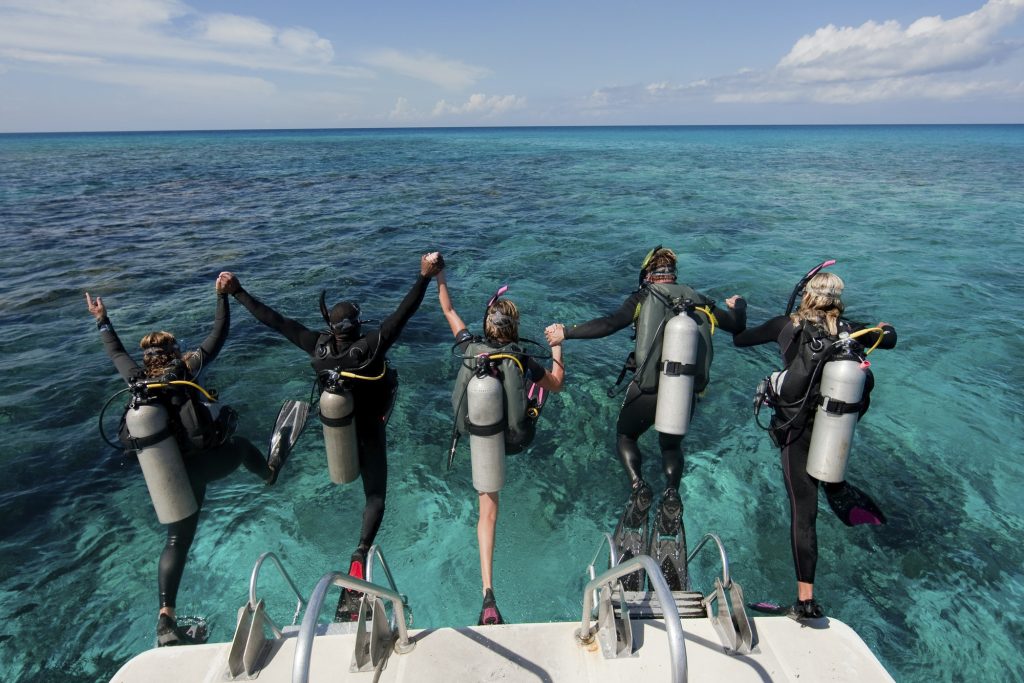
Cousteau helped develop early scuba (self-contained underwater breathing apparatus) technology, which allowed people to explore deeper depths for longer. This led to the rise of recreational scuba diving as a hobby and sport. Today over 3 million certified scuba divers explore shipwrecks, coral reefs, and sea life around the world. The scuba gear Cousteau co-invented has evolved into highly advanced yet accessible equipment. BCDs (buoyancy control devices), dive computers, and full face masks make deep sea diving safer and more enjoyable for scuba enthusiasts at every skill level. Dive destinations have cropped up in tropical locations, creating an entire tourism industry around scuba and snorkeling.
That’s the story of Jacques Cousteau, the man who pioneered underwater exploration and revealed the mysteries of the deep to the world. Thanks to his innovative scuba gear, documentaries, and research vessels like the Calypso, you got to experience the wonder of the sea along with him. Cousteau inspired generations to become ocean advocates and protect this vital yet fragile ecosystem. Though he passed away over 20 years ago, his legacy lives on through the Cousteau Society and the curiosity he sparked in all of us. The next time you gaze out at the ocean, or see a sea turtle gliding by, or watch a school of fish swirling before you, think of Cousteau. His passion for discovery and sharing the beauty of the underwater world truly made him the godfather of scuba.