The Impact of Climate Change on Scuba Diving Destinations
Climate change is a global process of temperature rise characterized by changing weather patterns and shifts of life-sustaining conditions within ecosystems around our planet, seriously and substantially affecting our oceans. For the scuba diver, this has been realized for quite some time now as it transcends into the patterns and trends defining the destination. These movements will affect not only the habitat but also affect quality and safety of the dive. This article, therefore, discusses the influence of climate on scuba diving destinations and what it really means for divers and marine conservation.
Coral Bleaching and Reef Degradation
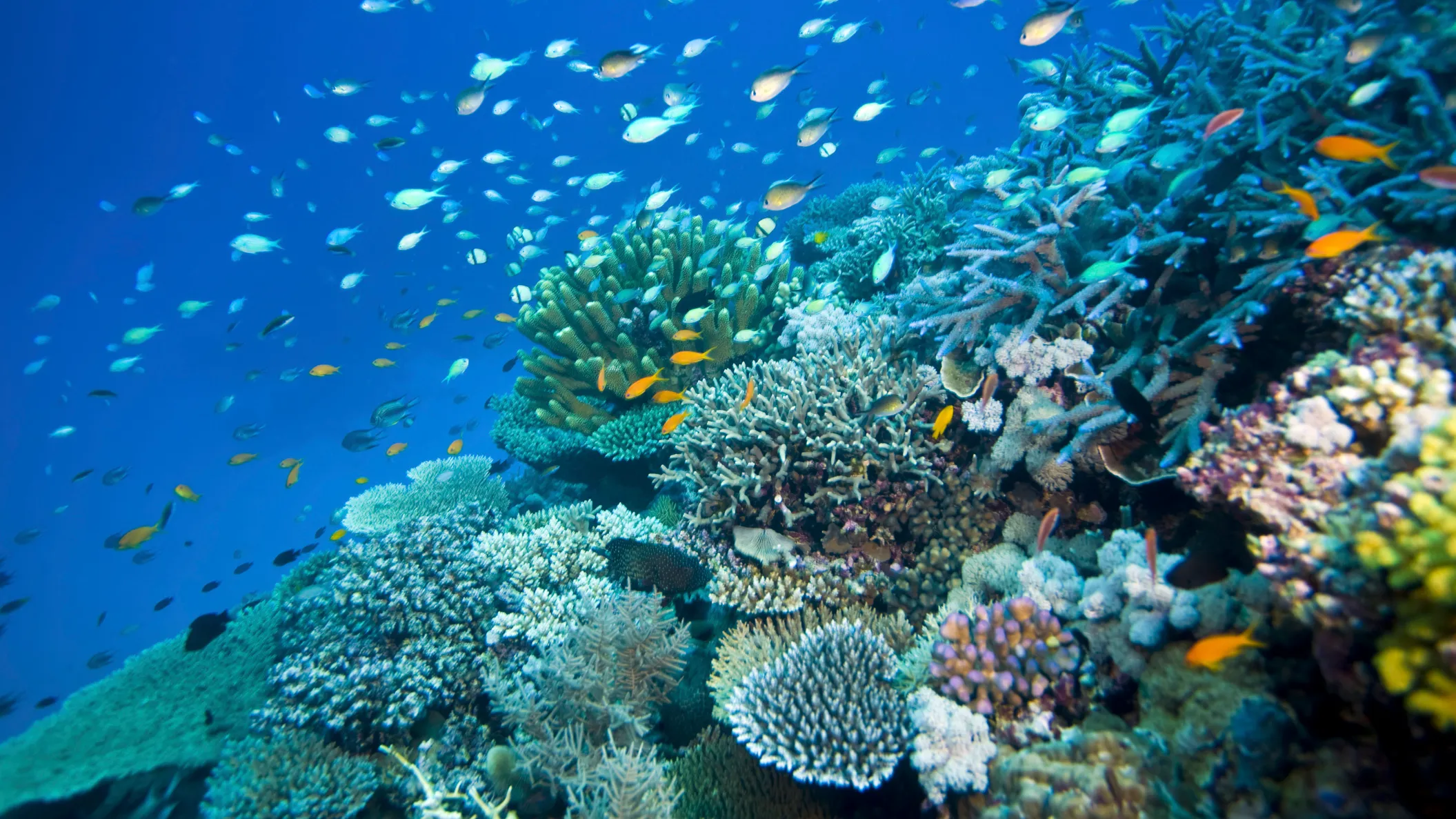
One of the most visible impacts of climate change, in relation to the diving tourism area, is coral bleaching. Corals, once again, are key players in the vibrancy of marine ecosystems, and their response to temperature changes is remarkable. As water temperature increases, corals will expel the symbiotic algae living in their tissues, turning them to white—a situation known as coral bleaching. This affects not only the aesthetic beauty of dive sites but also disrupts the whole marine ecosystem that depends on healthy reefs.
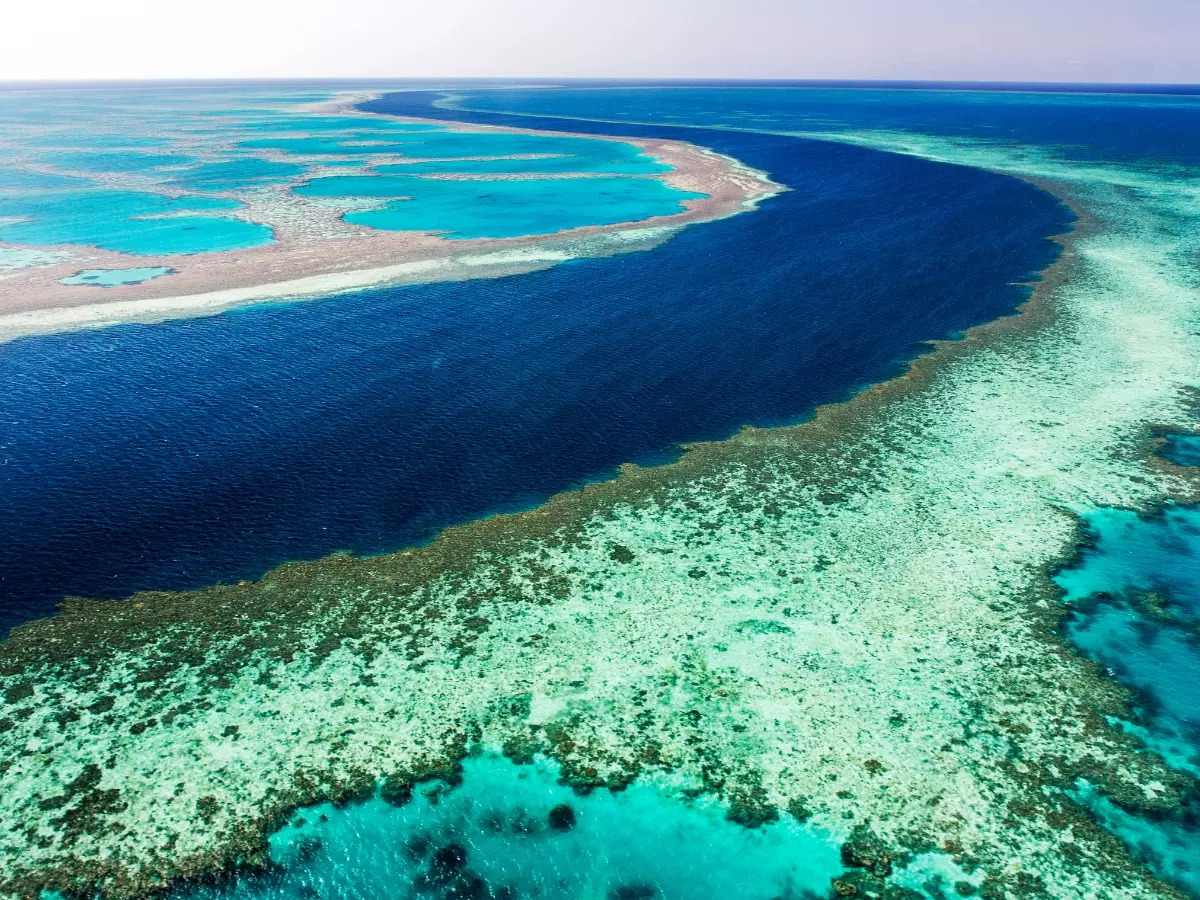
Travel to major diving locations like Australia’s Great Barrier Reef, the Maldives, and sections of the Caribbean, and the chances are the visitor is witnessing, first-hand, mass coral bleaching. The loss of colorful coral structures has a major impact on marine life, decreasing marine biodiversity, and decreasing the opportunity for divers to explore the wide array of aquatic organisms that make these destinations so attractive.
Ocean Acidification
Another important impact of climate change is the phenomenon of ocean acidification. The rising atmospheric carbon dioxide results in the absorption of more and more carbon dioxide in the oceans, causing them to lower their PH, and making them more acidic. Lower pH values can weaken the skeletons of coral and other calcareous organisms, which would give rise to more reef degradation.
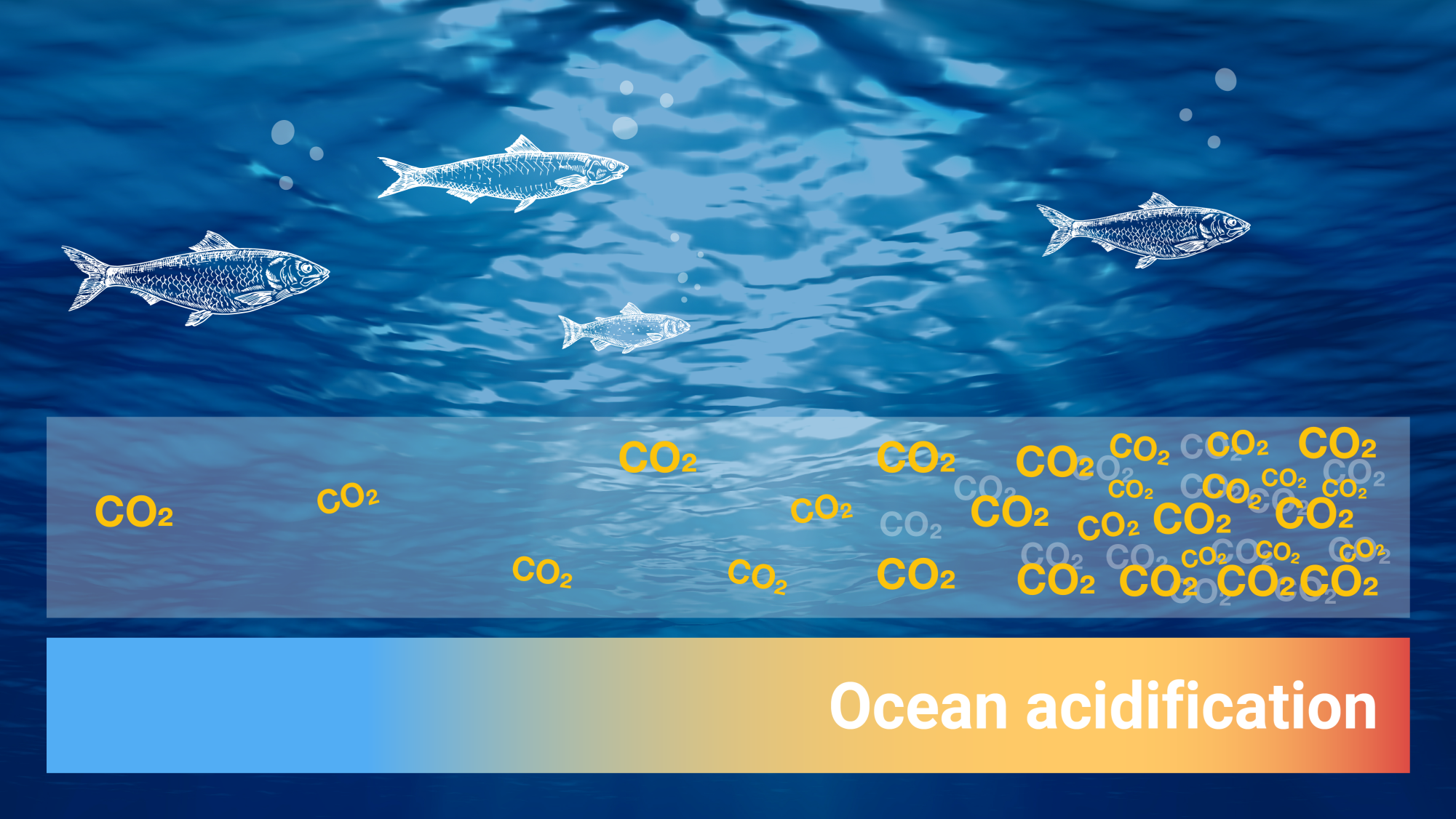
Weak reefs mean fewer stable dive sites and a loss of diversity in marine habitats for scuba divers. If the foundation of marine ecosystems crumbles, the abundance of fish and other sea creatures that give the dives such energy and color will fall as well.
Sea Level Rise and Coastal Erosion
Other impacts of changing climate include rising sea levels, adding to the risk of coastal diving destinations. The said rise in sea level is also associated with accelerated coastal erosion that eventually leads to the loss of beaches and coastal infrastructures, affecting dive operators and the local communities relying on this form of tourism.
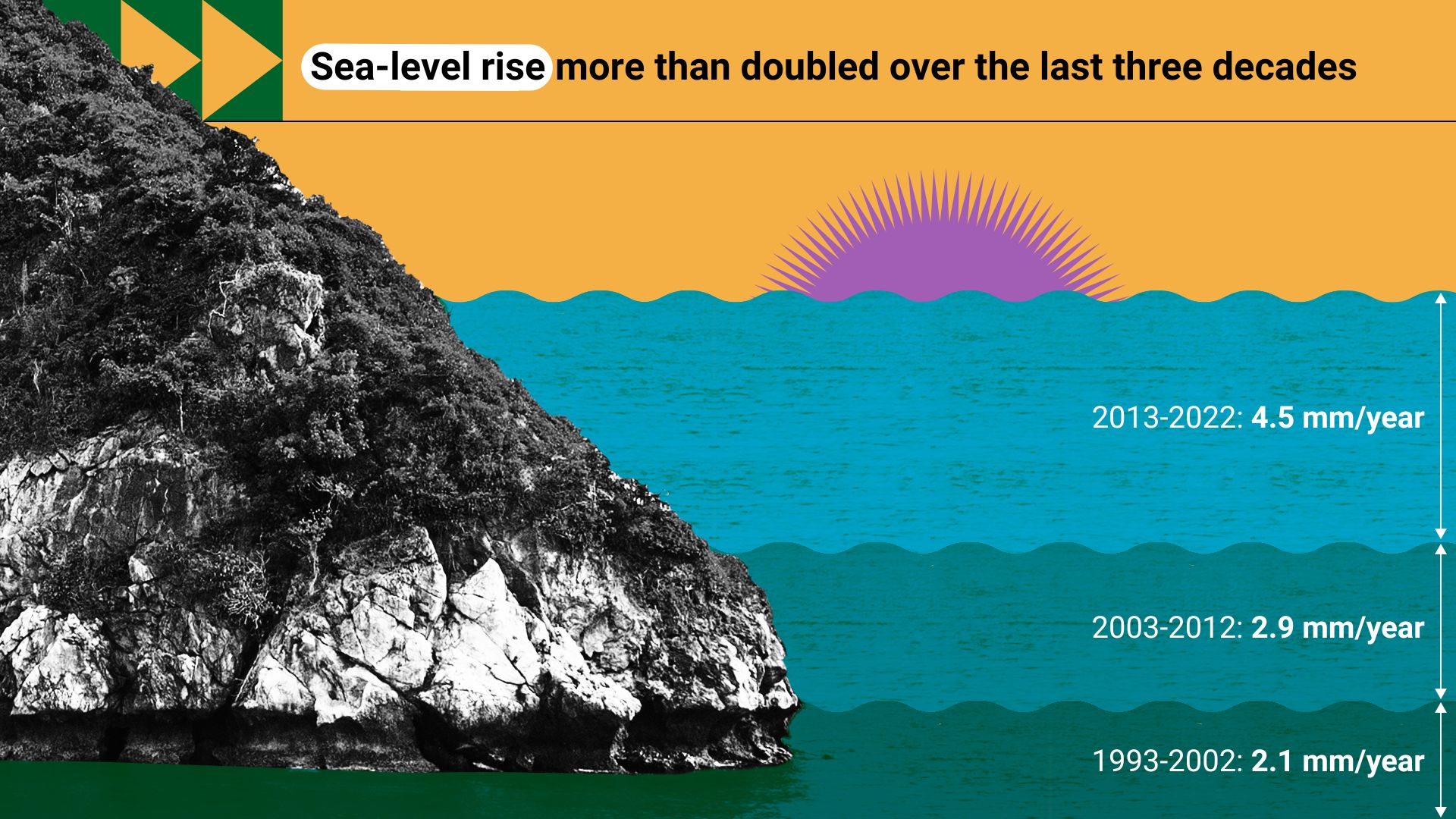
In countries like Seychelles and the Florida Keys, the inundation of coastlines and dive centers, along with the increased occurrence of storms, has taken a heavy toll on the infrastructure and thus access to highly valuable dive sites. Moreover, the sedimentation of the coastal erosion could choke the coral reefs, to add insult to their injury.
Shifts in Marine Life Distribution
Climate change is in addition changing the distribution of marine species. A lot of marine life is migrating towards cooler waters due to increasing ocean temperatures. This means less of the same marine life at their usual sites, as seen in the past.
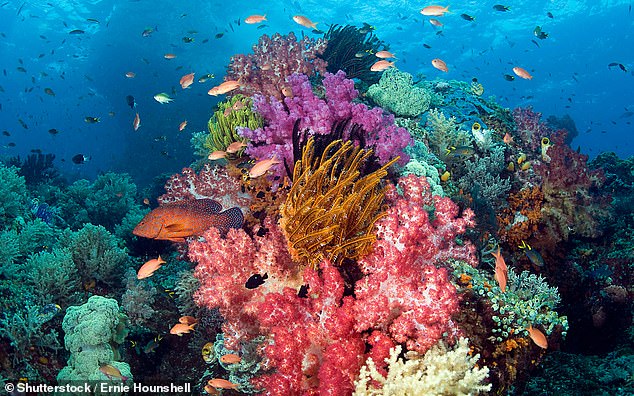
For instance, divers in the Gulf of Mexico and the Caribbean have reported population shifts and new, sometimes even invasive, species of fish. This often means that a diver becomes exposed to new marine life, but those established ecological systems may be thrown off balance or even at risk of survival due to the introduction of these new species.
The Role of Divers in Marine Conservation
However, a very positive factor is that the scuba divers can do a lot to save the marine environment. At most times acting as messengers of the sea, scuba divers are also significant in providing valuable data associated with marine ecosystem health. Citizens, divers, and others can take part in contributing to scientific investigations, promote sustainable diving practices, and take action to prevent climate change.
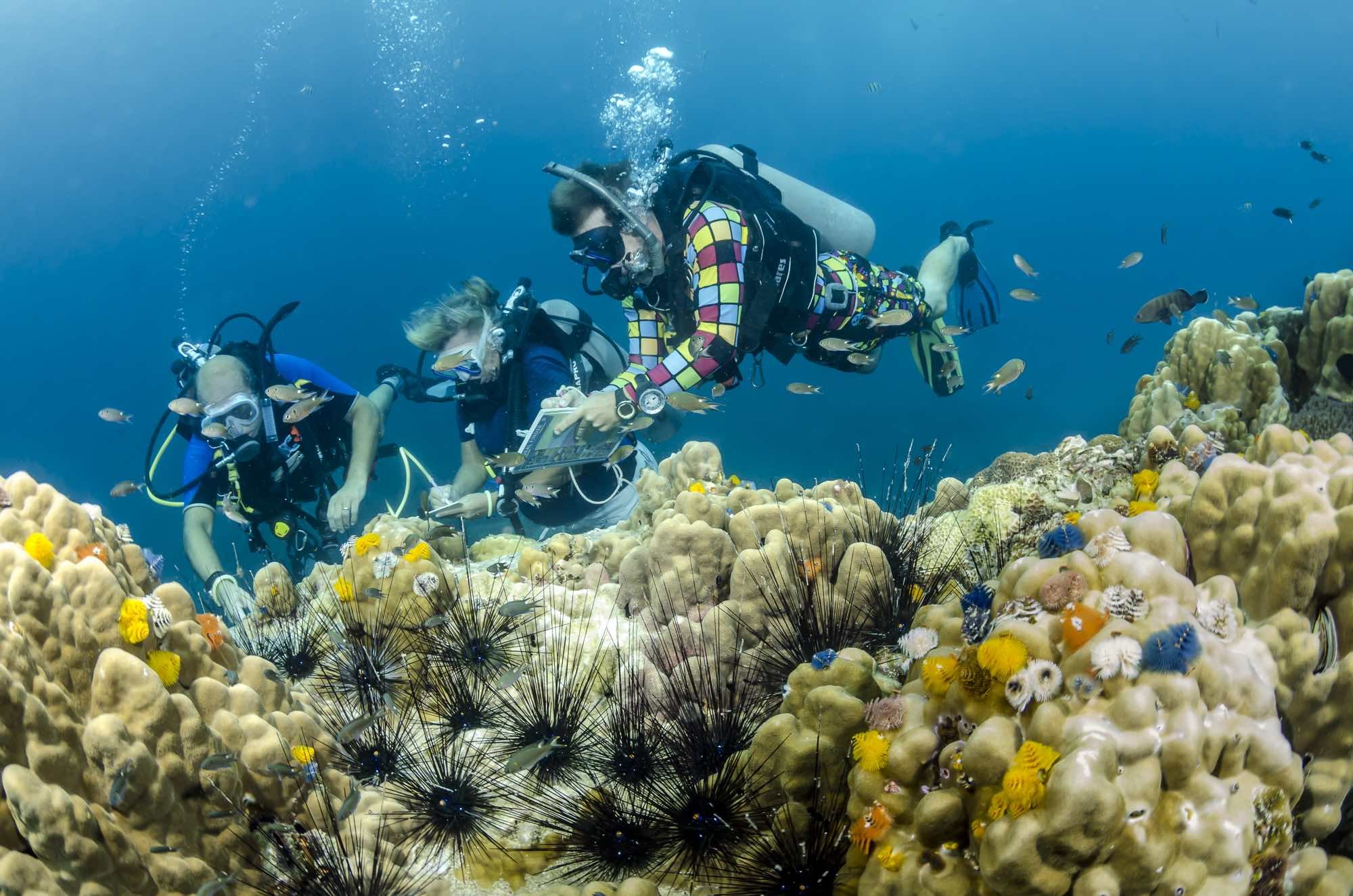
Many dive operators are also taking on initiatives to support greener practices, including reducing single-use plastics, using reef-safe sunscreens, and implementing marine protected areas. Traveling, alongside operators and destinations that are adamant in the sustainable path, divers can protect the underwater world that they love.
The reasons for the involvement of scuba diving locations with climate change are deep and multifaceted. From coral bleaching to ocean acidification, rising sea levels to changes in marine life, these are impacts that are altering underwater landscapes that are close to divers’ hearts. But the diving community can play a very large part in guarding these environments for the next generation by spreading awareness, being responsible for their diving, and actively participating in conservation efforts. In the face of climate change, the marine world is at war, yet scuba divers show their resilience and commitment to potentially saving the rest of the underwater world. Happy and safe diving!