The applications of hyperbaric chambers in dive medicine have been part and parcel of the medical field in which these chambers have had a very key role in treating different conditions diving related. The chambers are designed to administer oxygen at pressures greater than atmospheric pressure through a process called hyperbaric oxygen therapy, so important in the management of decompression sickness and arterial gas embolism among other diving-related injuries that have largely optimized outcome for divers affected by these conditions.
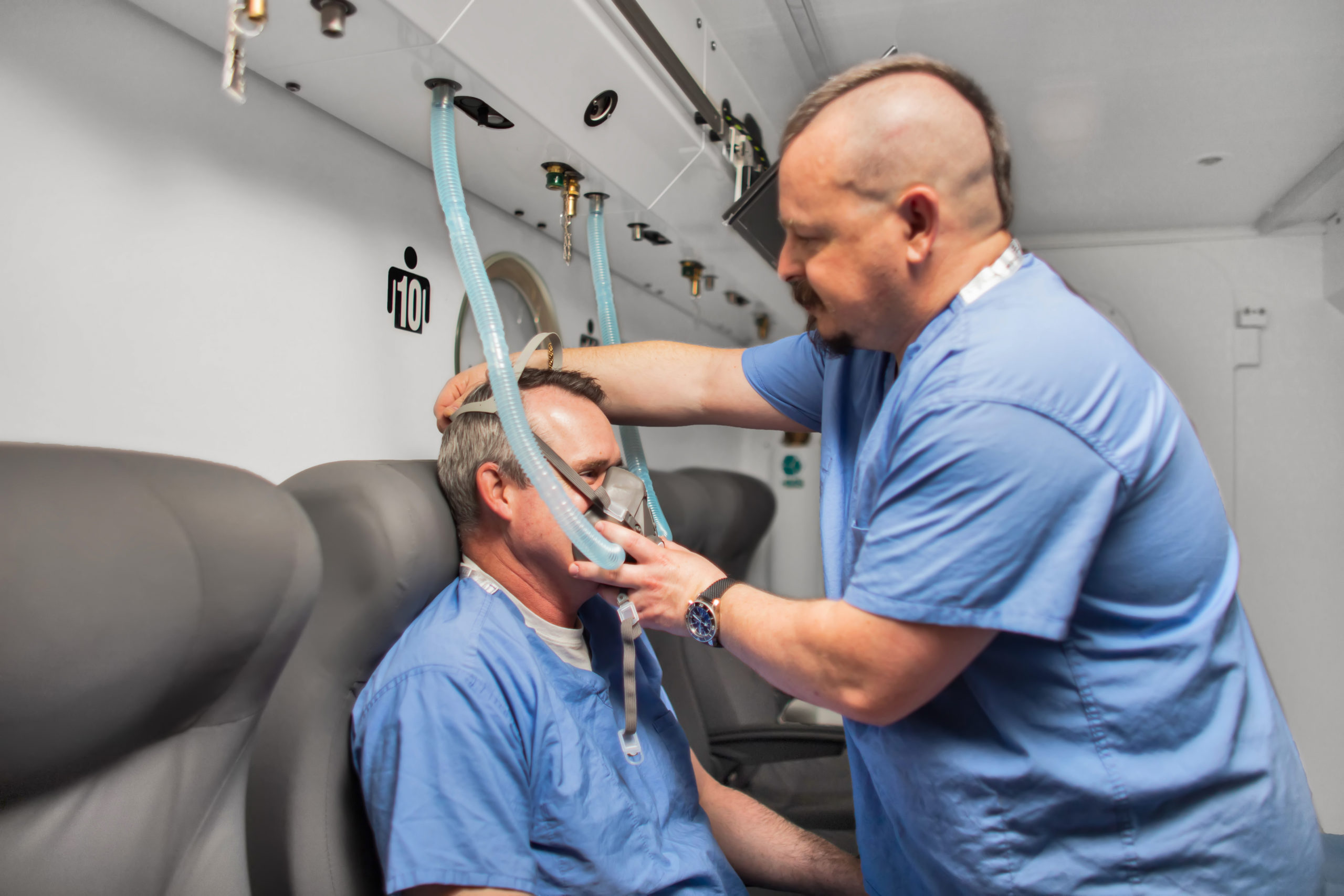
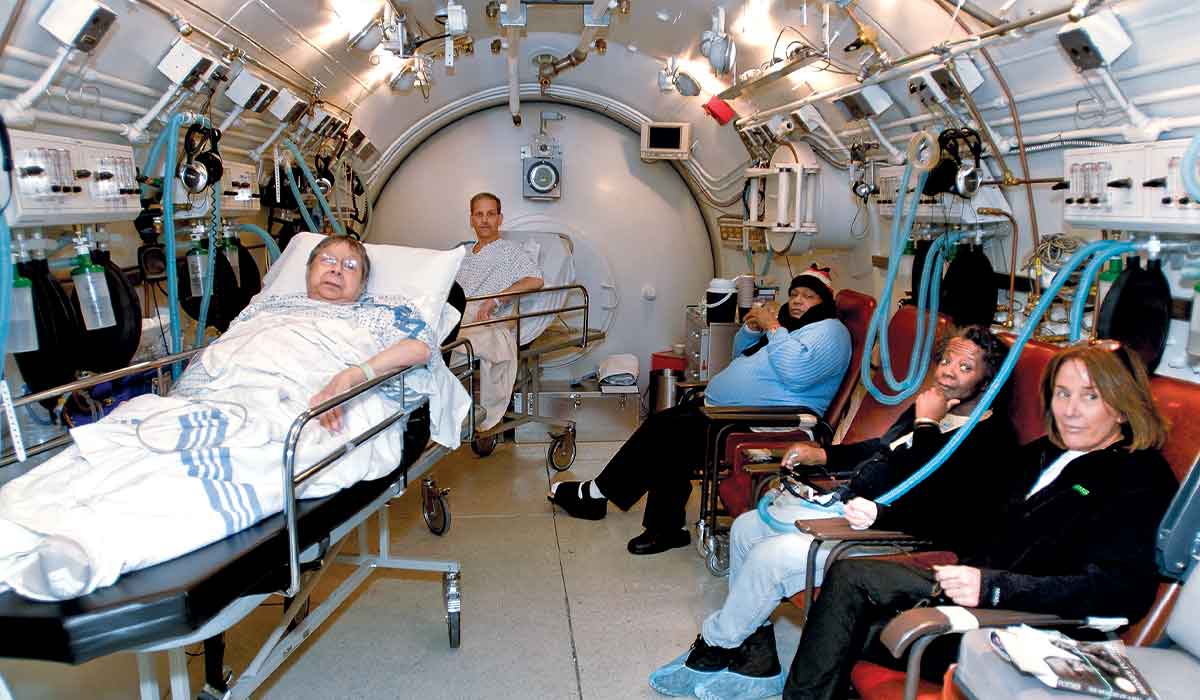
In a hyperbaric chamber, the sealed environment allows for an increase in atmospheric pressure. In this increased pressure, pure oxygen is given to patients, which their bodies absorb in large amounts. The body’s greater absorption of oxygen in this high-pressure environment has many therapeutic effects, especially for divers from illnesses caused by rapid changes in pressure.
Decompression Sickness (DCS)
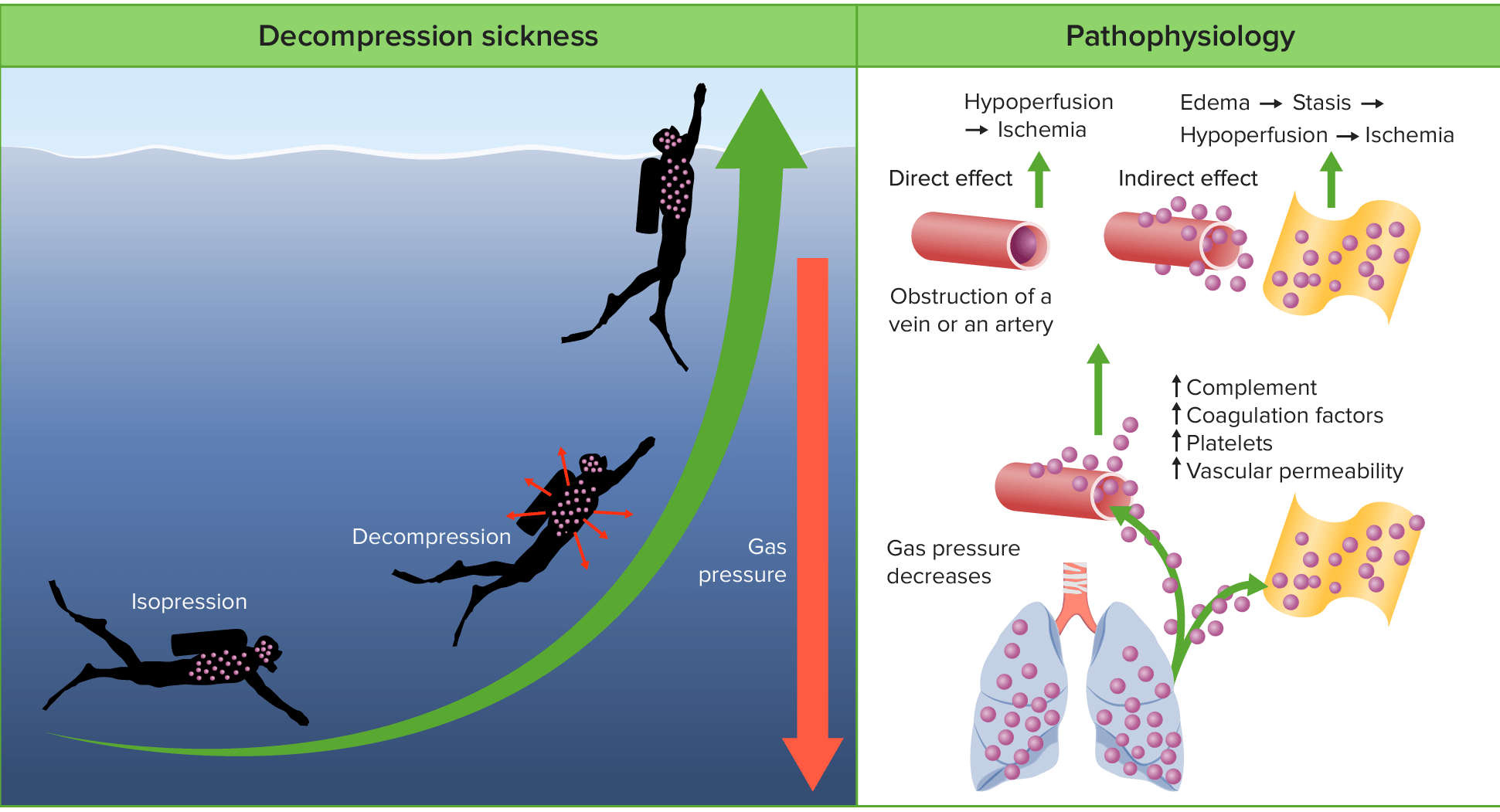
Fast ascent is the cause of another potentially serious condition known as decompression sickness, or more colloquially, “the bends.” As a result of rapid ascent, nitrogen that has been dissolved in the blood and tissue because of high pressure forms bubbles. These bubbles cause pain in the joints, giddiness, paralysis, and death if the process is allowed to continue without treatment. The major line of treatment for DCS are hyperbaric chambers because the high-pressure environment shrinks bubble size and encourages the body to reabsorb the nitrogen.
AGE (Arterial Gas Embolism)
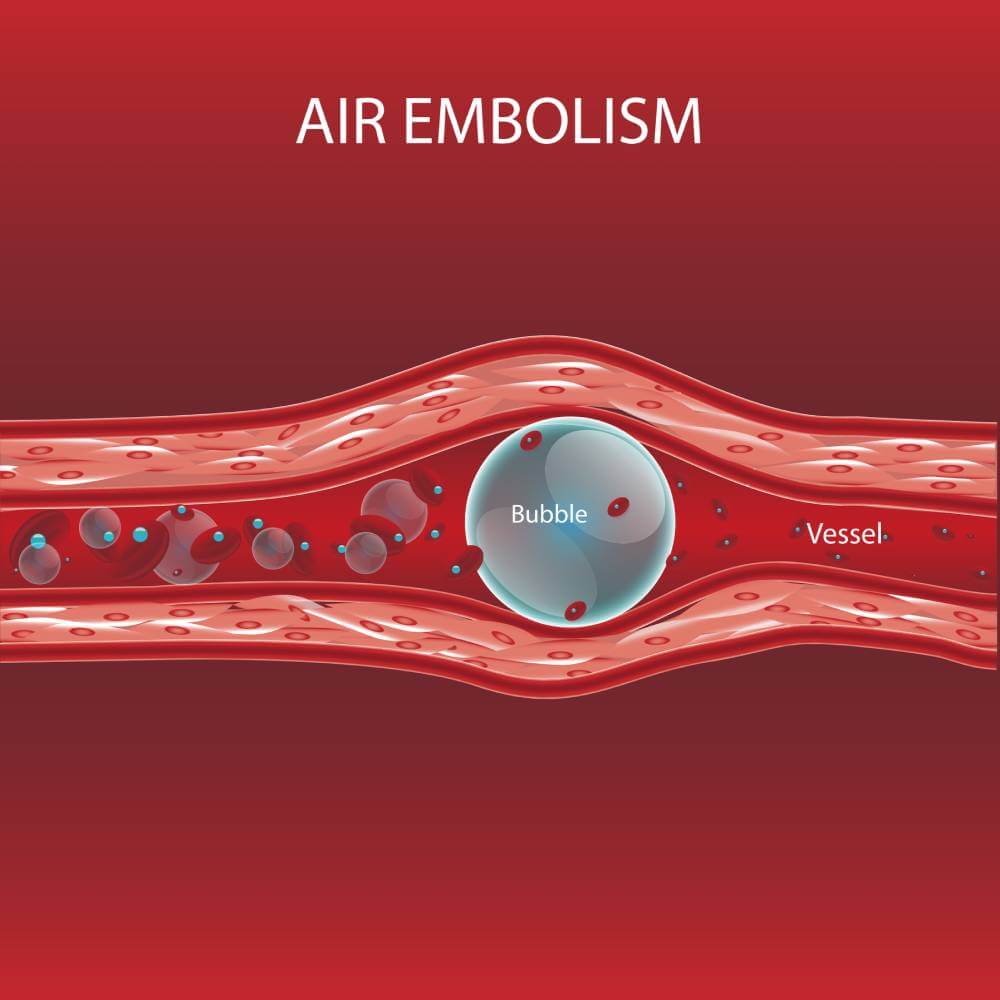
The other very serious condition treated using HBOT is arterial gas embolism. It occurs when bubbles enter the arterial blood, which may further cause strokes, heart attacks, or some other serious complications. Increased pressure in a hyperbaric chamber raises the solubility of these bubbles and reestablishes the normal flow of blood. The risk of severe damage is thereby significantly reduced.
Healing and Recovery Enhancement
Besides treatment of DCS and AGE, the hyperbaric chambers enhance the healing of other diving-related injuries. Since there is more oxygen, this helps decrease swelling, fight infection, and stimulate the development of new blood vessels. This makes HBOT useful for those divers suffering from wounds, crush injuries, or other trauma.
The Procedure of Hyperbaric Oxygen Therapy
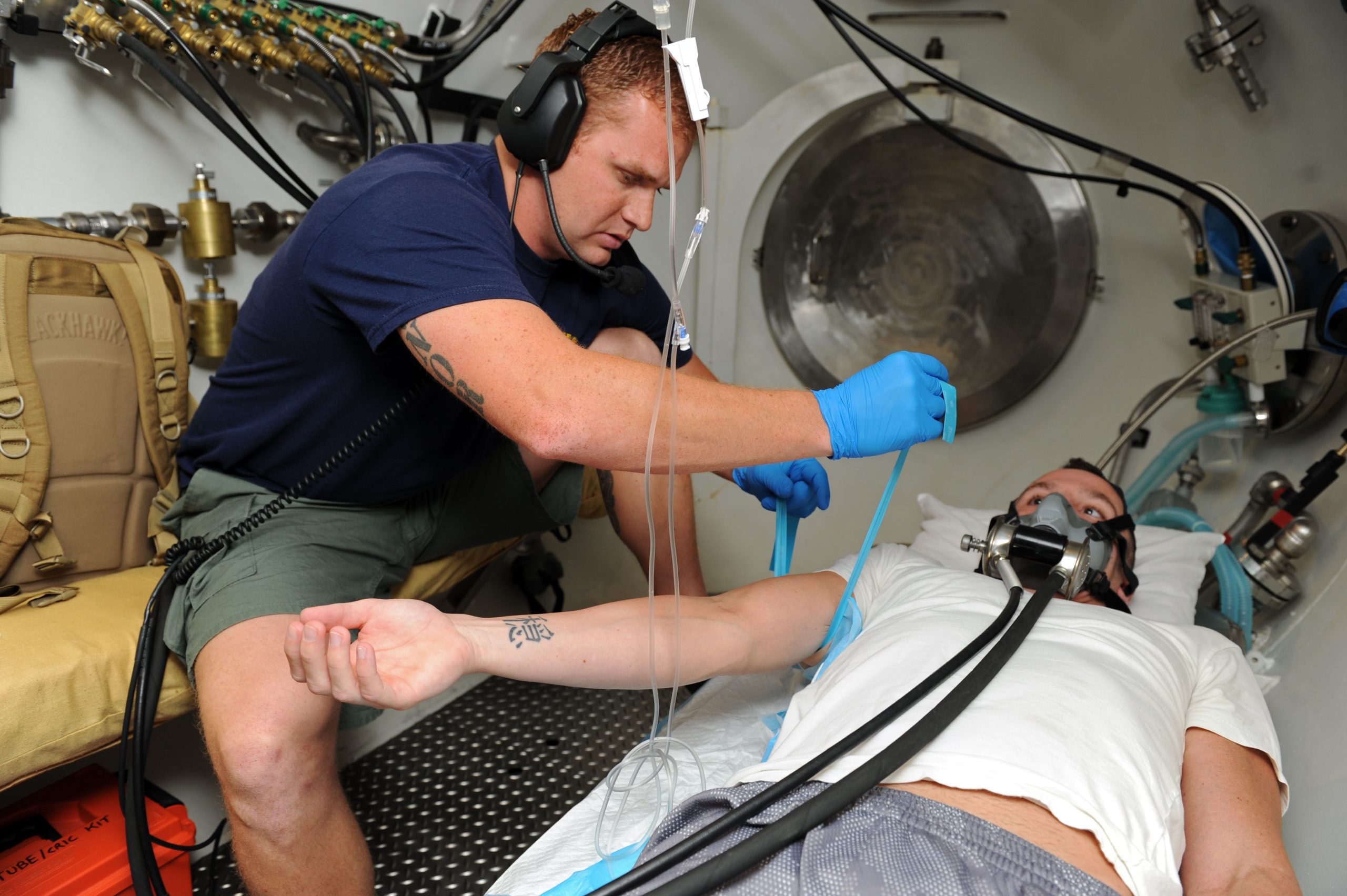
Treatment may involve several sessions, depending on the severity of the condition. The session may last from 1 to 2 hours where the patient will inhale pure oxygen while the pressure in the chamber is slowly increased. The treatment is monitored by medical professionals for safety and effectiveness.
Advancements in Hyperbaric Medicine
Recent advances in hyperbaric medicine have generated sophisticated chambers and treatment protocols. Portable hyperbaric chambers are now on the market, offering an even more immediate treatment at dive sites or aboard boats. In addition, further research investigating the advantages of HBOT for an increasing variety of diseases and disorders—among them, chronic wounds, radiation injuries, and selected neurologic disorders—is under way.
Cornerstones of dive medicine, hyperbaric chambers are a life-saving treatment for such pathologies as decompression sickness and arterial gas embolism, along with other diving-related injuries. It allows, with the increase in pressure, the delivery of a very high concentration of oxygen, entirely revolutionizing treatment of the injured diver, with greatly improved recovery and outcome. The future uses to which hyperbaric chambers could be put are boundless; it is easy to see how integral it will become not only in dive medicine but also in broader medical applications. Happy and safe diving!