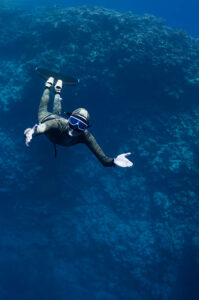
Here, in the exhilarating realm of scuba diving, contemporary explorers wear their equipment to discover the mysteries hidden under the surface. Scuba diving is more than just a pastime in the world of treasure hunting and salvage; it’s a doorway to the past, revealing long-lost treasures and forgotten artifacts that bear witness to tragedies and adventures at sea. Come along as we immerse ourselves in the thrilling world of undersea treasure hunting, akin to scuba diving.
Historical Background and Prominent Findings
Although treasure hunting has a rich and historical background, the development of scuba diving in the middle of the 20th century was what really opened up new opportunities. The Aqua-Lung was created by early innovators like Jacques Cousteau, allowing divers to go deeper and stay longer. Treasure seekers were able to explore underwater locations that were previously unreachable thanks to this invention, which produced a number of amazing finds.
The Spanish galleon Nuestra Señora de Atocha, which fell off the coast of Florida in 1622, was one of the most well-known finds. Treasure hunter Mel Fisher and his crew found the wreck of the Atocha in 1985 after years of painstaking searching, and they recovered an enormous treasure hoard of gold, silver, and emeralds estimated at hundreds of millions of dollars. In the annals of undersea treasure-seeking, this discovery continues to rank among the most noteworthy.
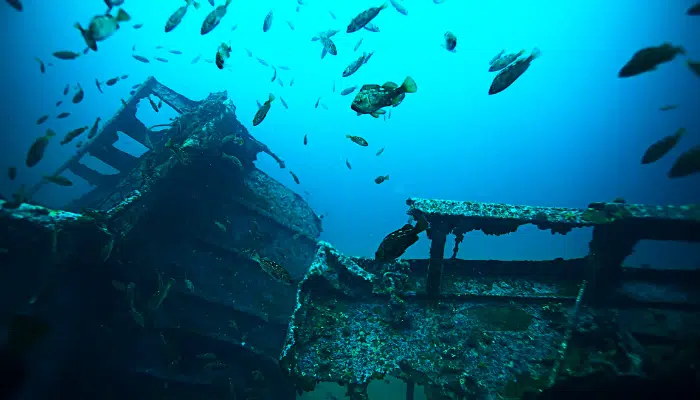
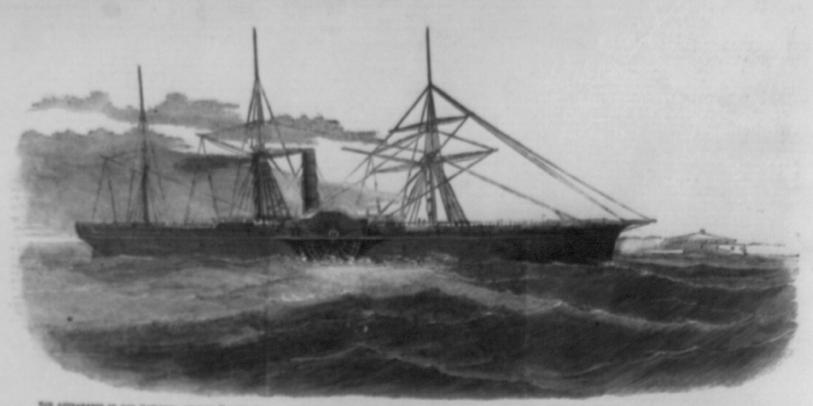
The SS Central America, popularly referred to as the “Ship of Gold,” was another noteworthy find. It drowned in a hurricane off the coast of South Carolina in 1857. Tommy Thompson led a crew that found the wreck in the late 1980s and unearthed an incredible quantity of gold, providing priceless new information on the era’s nautical history.
Methodologies and Resources
Advanced procedures and specific equipment are needed for treasure-seeking and salvaging while using scuba diving. Underwater riches are found, excavated, and preserved by modern divers using a range of instruments and technology:
- Devices that detect abnormalities on the bottom, such as sonar and magnetometers, aid in the location of submerged items and shipwrecks. Magnetometers find metallic things buried beneath the soil, while side-scan sonar produces finely detailed photographs of the underwater scenario.
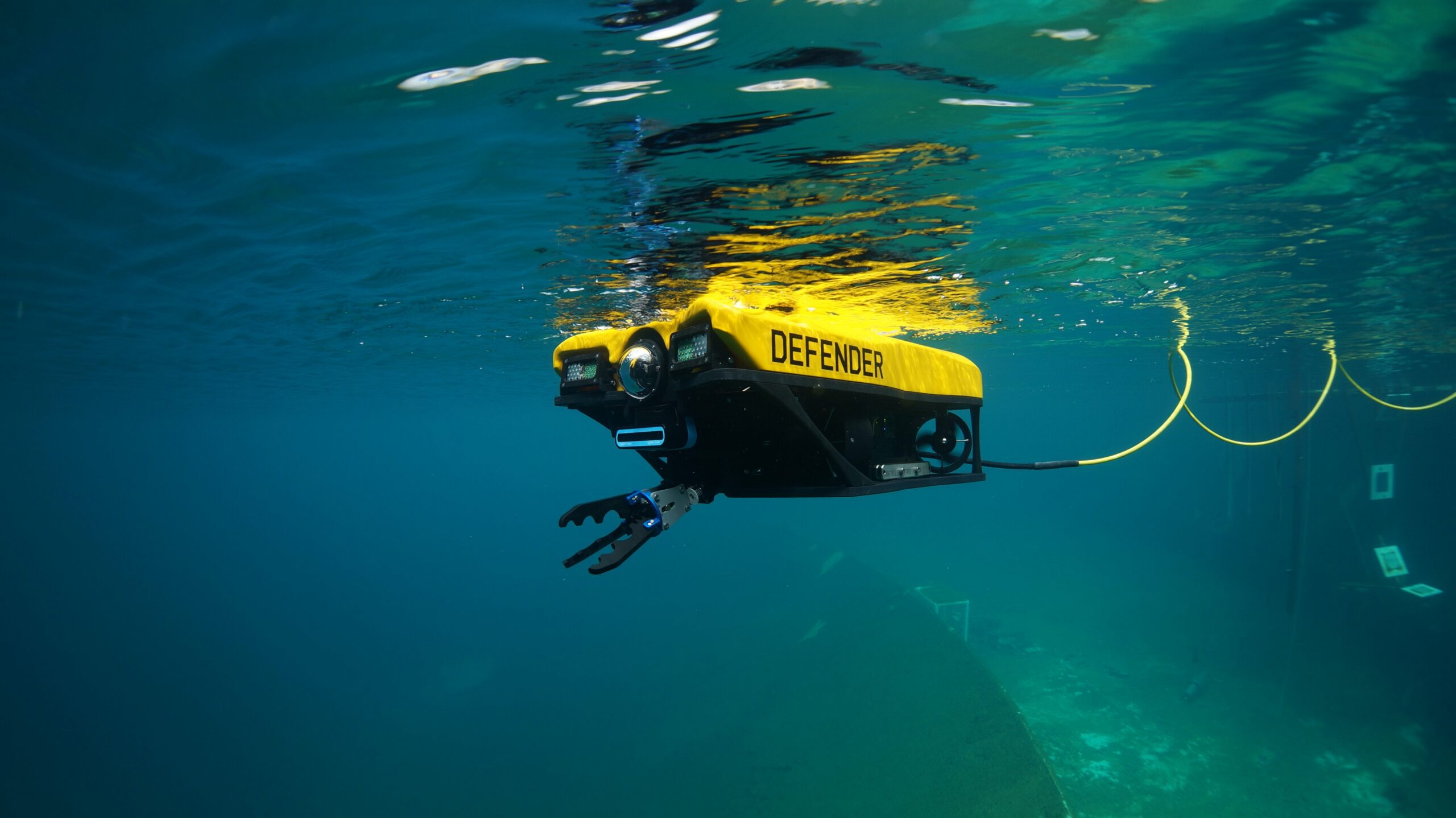
- Unmanned, remotely controlled vehicles known as “remotely operated vehicles” (ROVs) are capable of exploring depths that are inaccessible to humans. Retrieving artifacts and inspecting locations are made easier by their manipulators and cameras.
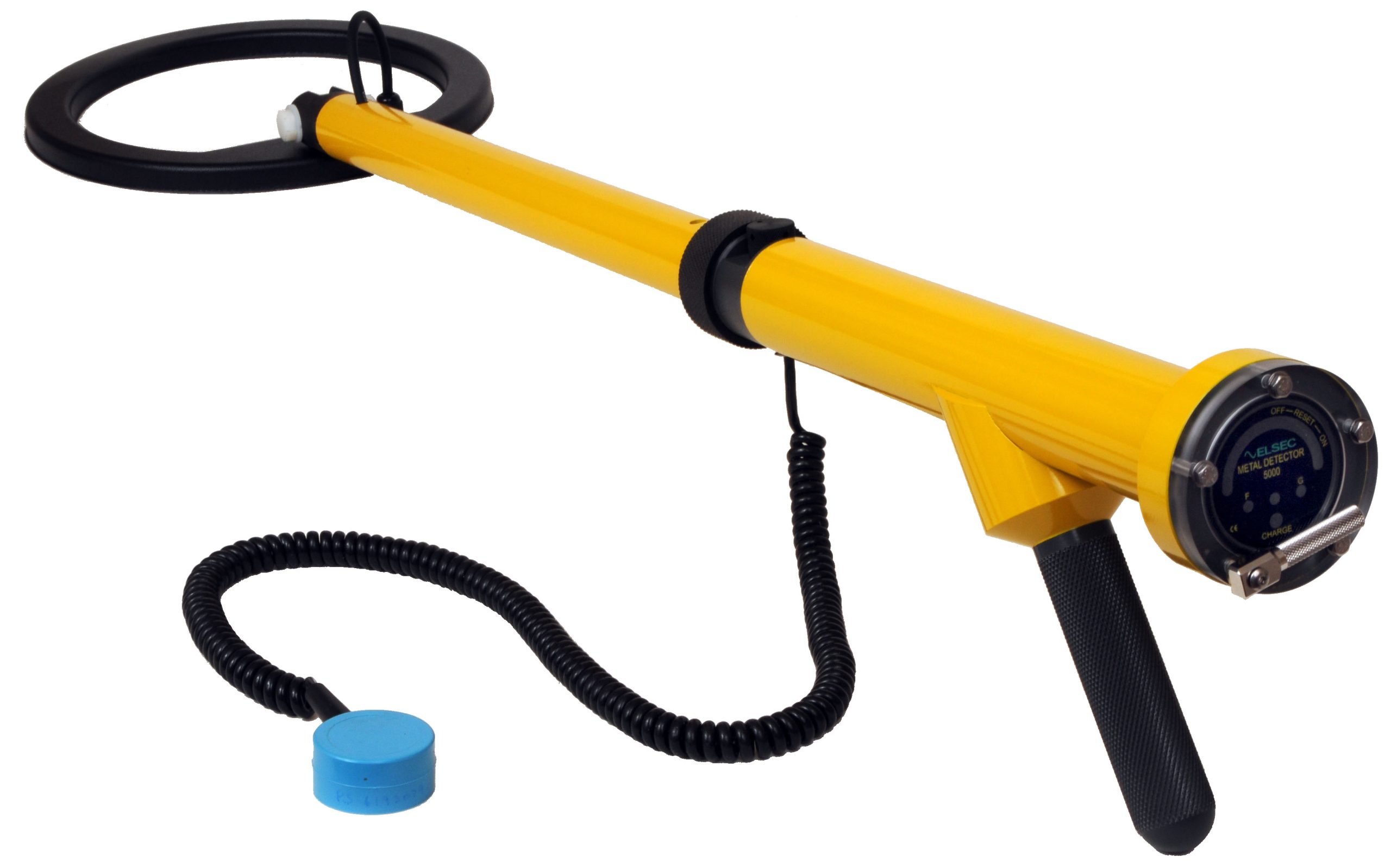
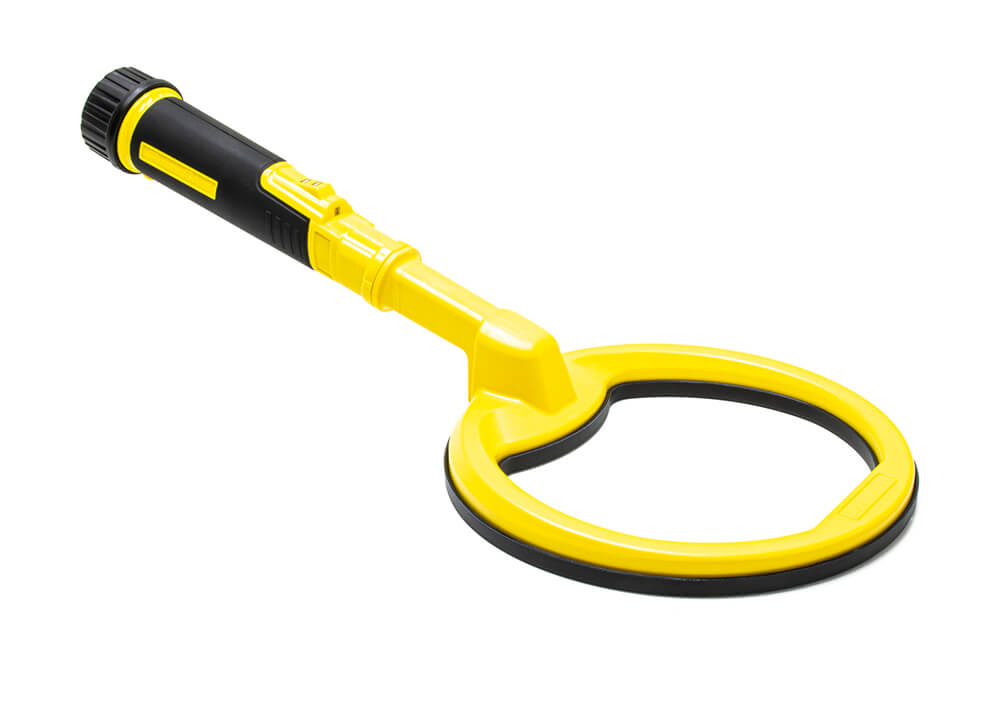
- Divers use underwater metal detectors, which are portable instruments, to find metallic things concealed in the sand and silt, such as coins, cannons, and anchors.
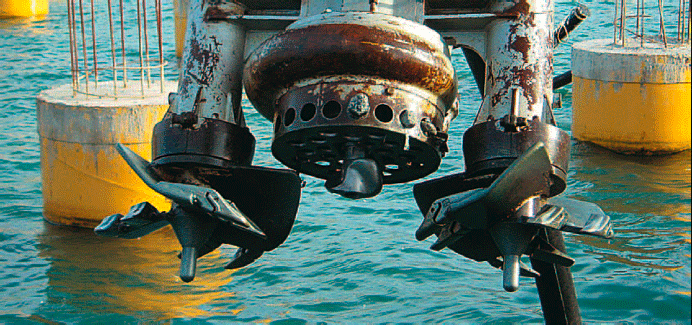
- With the use of hydraulic dredges and airlifts, it is possible for divers to gently excavate and retrieve artifacts without causing harm by removing silt and other materials from their surroundings.
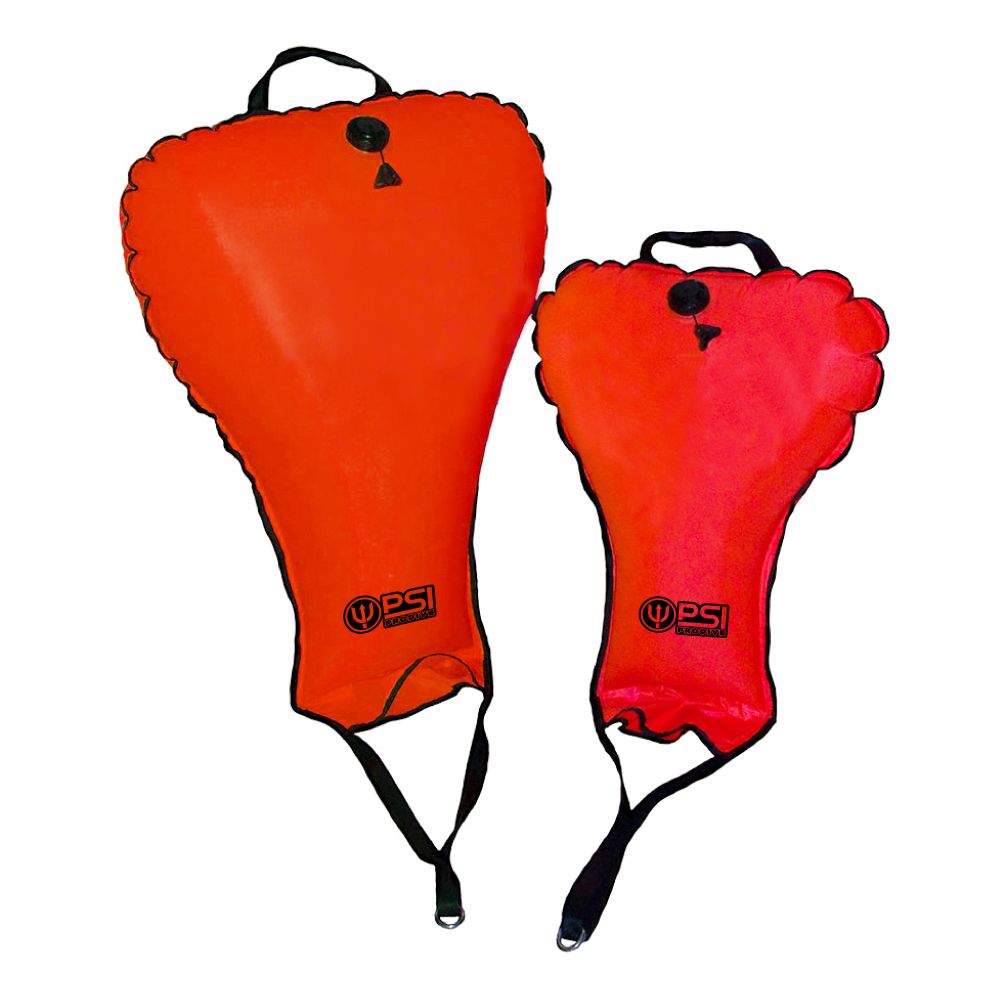
- Lift Bags: These inflatable devices are used to raise heavy things from the bottom. They offer buoyancy, which allows divers to safely bring huge artifacts to the surface.
Well-known Findings
Some of the most important undersea discoveries in history have been made possible by scuba diving:
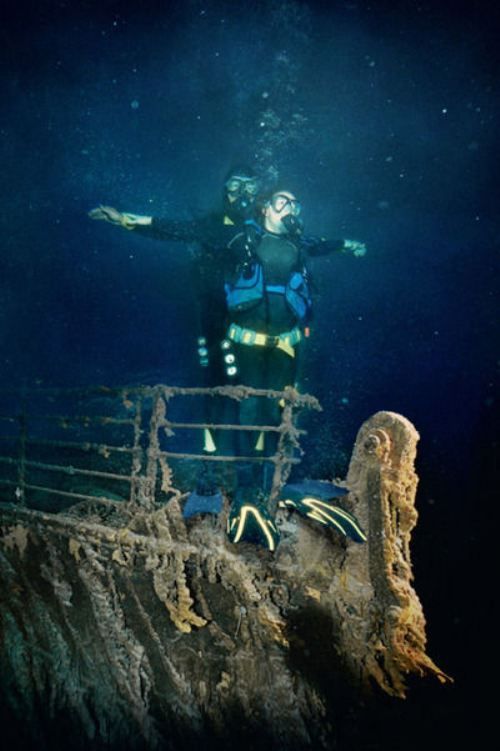
- The Titanic: Robert Ballard’s 1985 discovery of the RMS Titanic was a huge accomplishment, even if it wasn’t a treasure in the conventional sense. Divers and submersibles have delved deep below the wreck site, uncovering important information about the ship’s sad drowning.
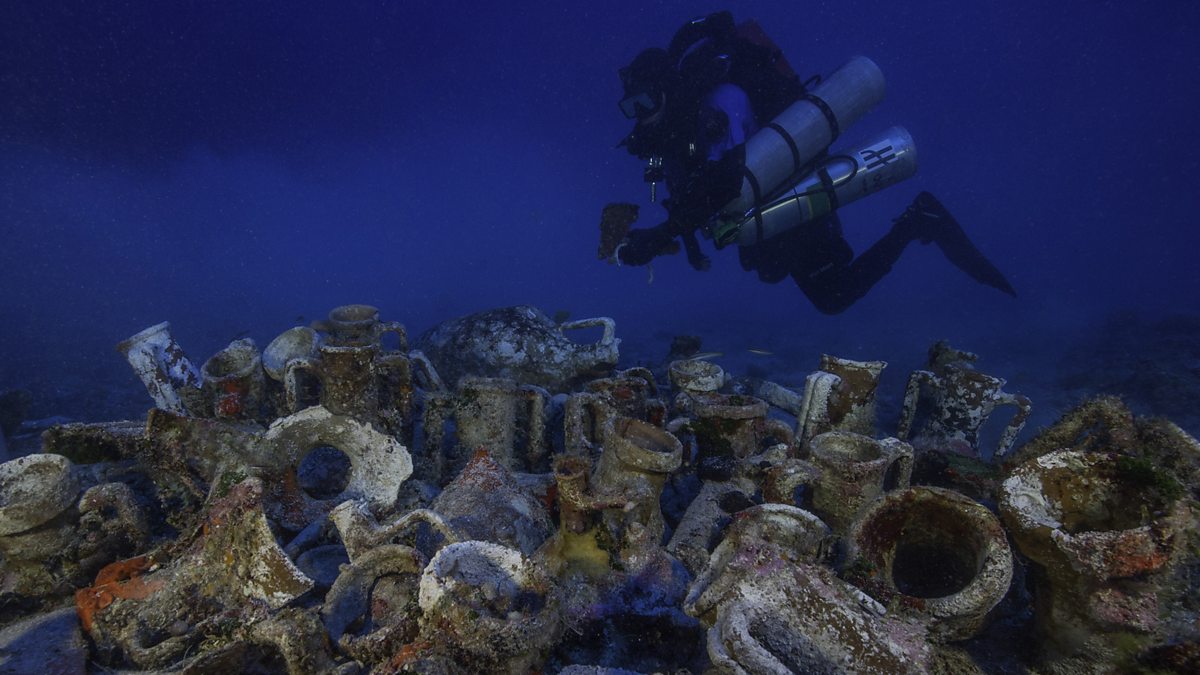
- The Antikythera Mechanism is an ancient Greek analog computer that dates back to 100 BCE. It was found by sponge divers off the coast of Greece in 1901, and for more than a century, it has enthralled scientists and historians.
Legal Framework and Ethical Issues
Underwater treasure hunting is an intriguing hobby, but it also presents serious moral and legal issues. Complex concerns pertaining to ownership, preservation, and cultural heritage are frequently involved in the recovery of items from shipwrecks and other submerged sites.
Guidelines for the moral treatment of underwater sites are provided by international treaties, such as the 2001 Convention on the Protection of the Underwater Cultural Heritage of UNESCO. These recommendations place a strong emphasis on the necessity of documenting archaeology thoroughly, keeping objects in situ where practical, and honoring the historical and cultural relevance of artifacts that are found.
Furthermore, rules controlling the recovery and ownership of undersea antiquities have been enacted in several nations. Protecting and preserving underwater cultural resources is encouraged by the United States Abandoned Shipwreck Act of 1987, which states that the federal government owns some shipwrecks.
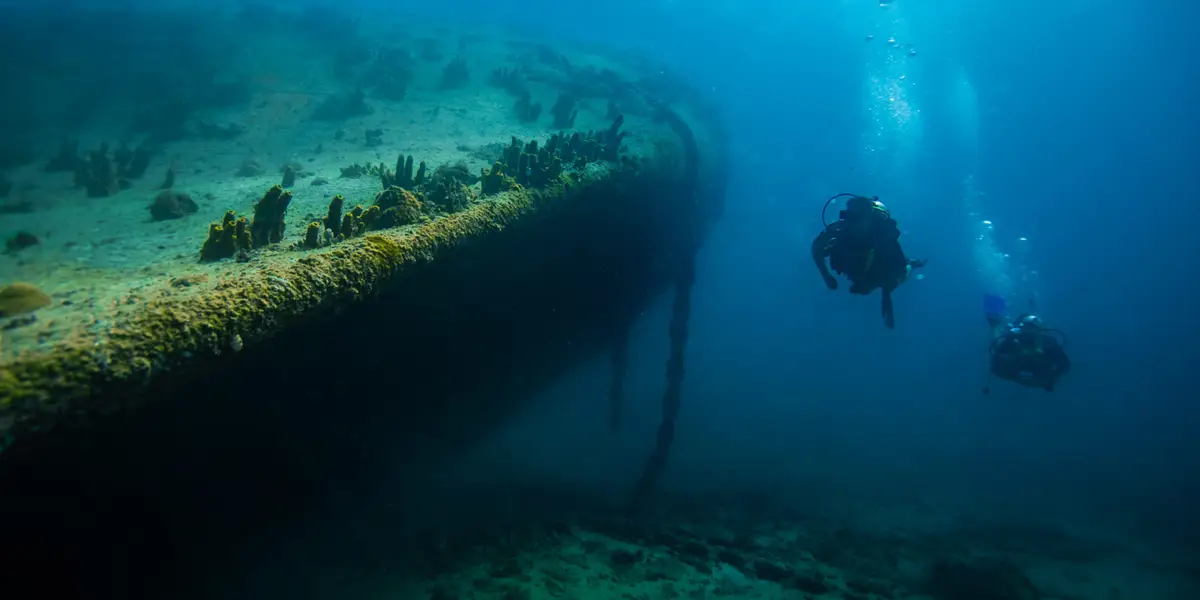
Treasure hunting and salvaging have been revolutionized by scuba diving, which makes it possible for adventurers to find and save the hidden gems of the undersea world. Divers using cutting-edge gear and methods have produced incredible discoveries that deepen our knowledge of the past and present of marine heritage. To guarantee that these priceless cultural materials are preserved for future generations, the search for submerged treasures must be balanced with ethical and legal requirements. The use of scuba diving in treasure-seeking and salvage will surely change as technology develops, resulting in fresh findings and a greater understanding of our common history. Happy and safe diving!