The Thrill of Drift Diving: Riding the Ocean Currents
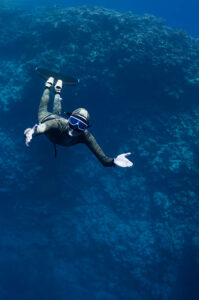
Drift diving is a beautiful and varied diving experience, sometimes called “flying underwater,” which gives a diver an opportunity to use the ocean currents in moving through an underwater world. Where traditional scuba diving has the diver swimming actively to cross a certain area, drift diving takes on an effortless float-along nature with the current that provides freedom and adventure hard to match in activities. This is an exciting activity that can unlock all sorts of possibilities for marine life encounters, vast underwater landscapes, and ocean experiences that few activities can provide.
The Basics of Drift Diving
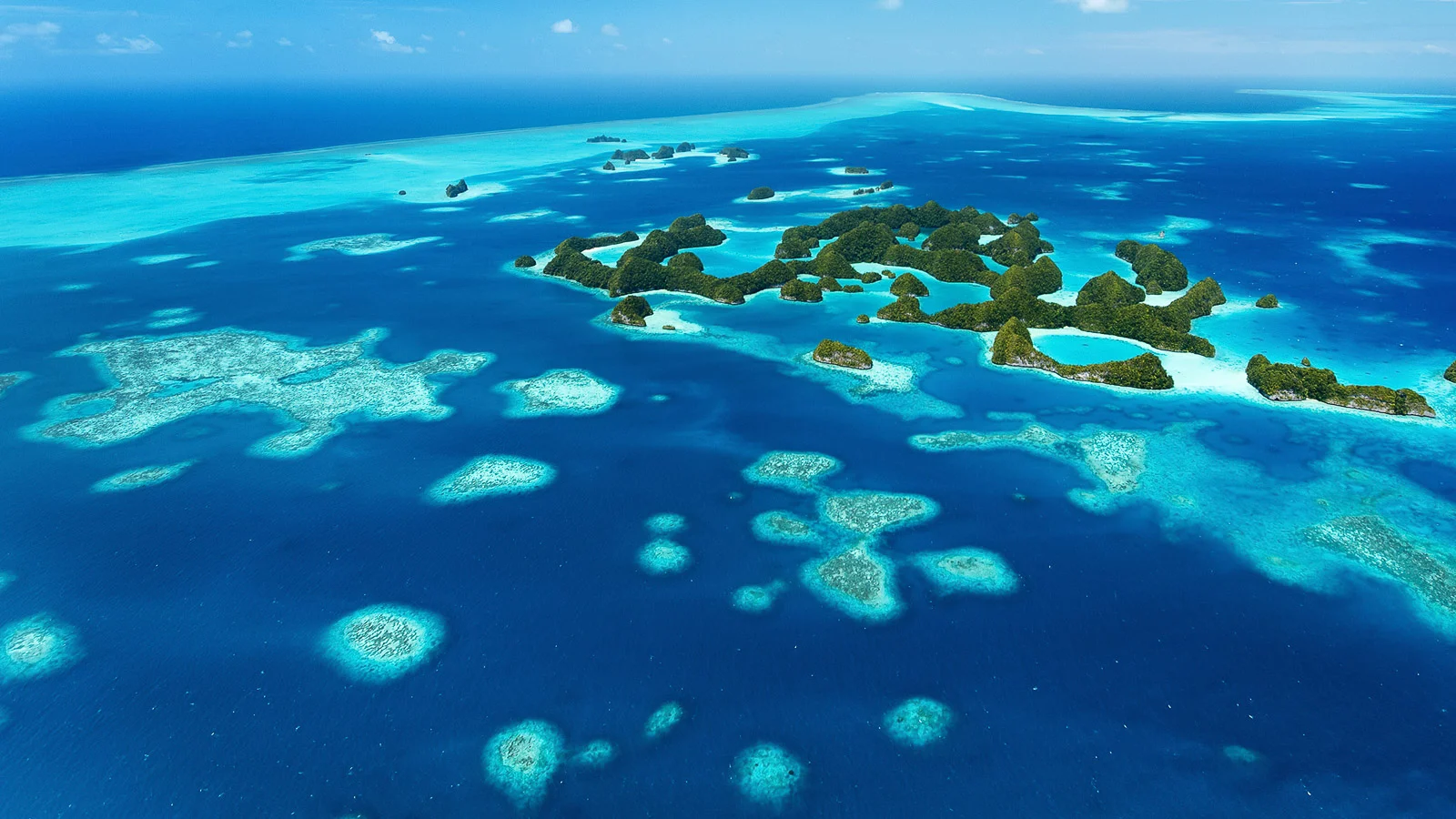
Drift diving occurs when the ocean currents are strong. The currents—gentle flow or strong streams—carrying the diver along a predesignated path, propel him without much use of energy, enabling him to cover distances far greater than he might achieve in a normal dive, thus seeing more of the environment underwater. Popular drift diving spots include Cozumel in Mexico, the Maldives, and the archipelago of Palau in the Pacific.
The Preparation and Gear
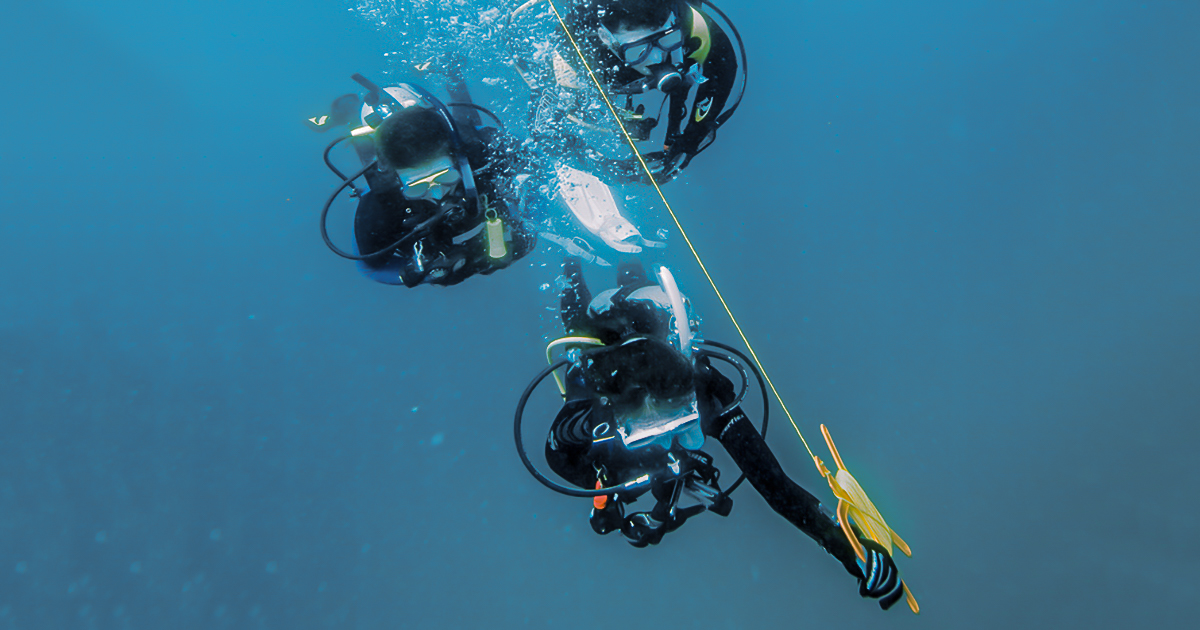
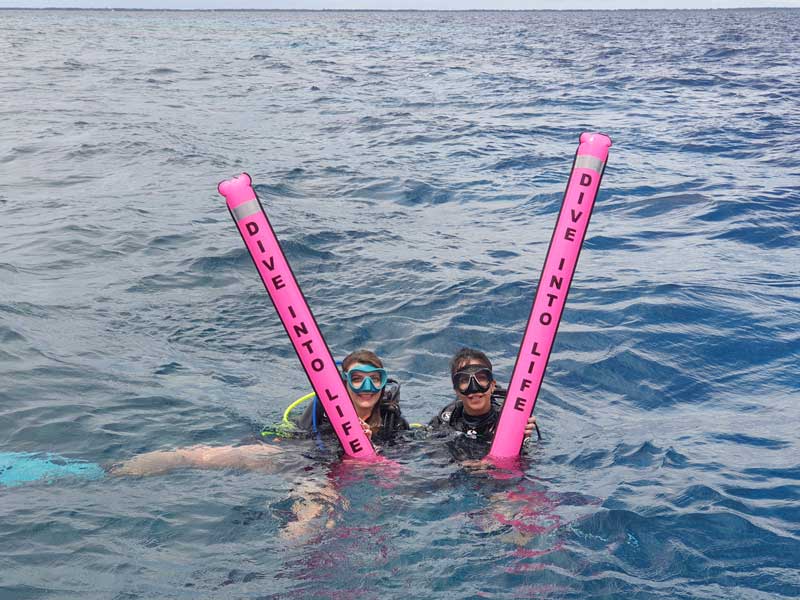
The key to a perfect drift dive is in the preparation. There needs to be comfort with the buoyancy control, as it is pertinent that one can maintain the same position in the current. Moreover, usually, a surface marker buoy is used, or sometimes even a dive flag, to let the boat know your position so that divers can easily be located and picked up at the end.
Here’s essential gear for drift diving:
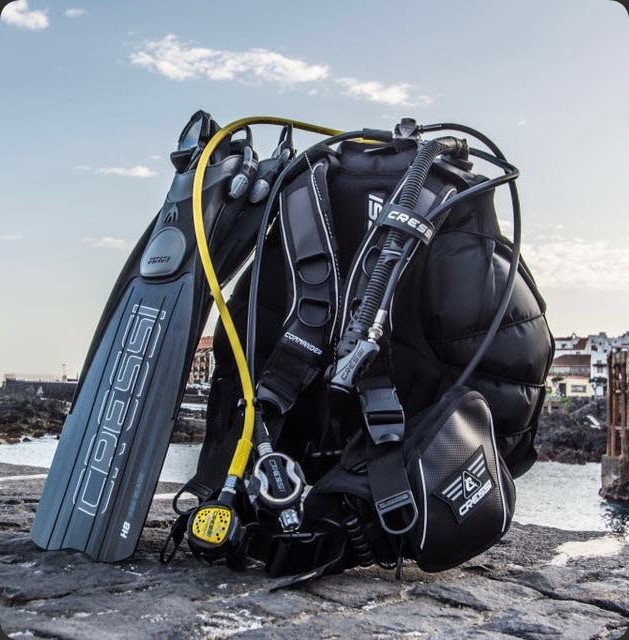
- Regulators and BCDs: High-quality regulators and buoyancy control devices are important for comfortable breathing and buoyancy.
- Surface Marker Buoy (SMB): An SMB signals the location of the diver to the boat.
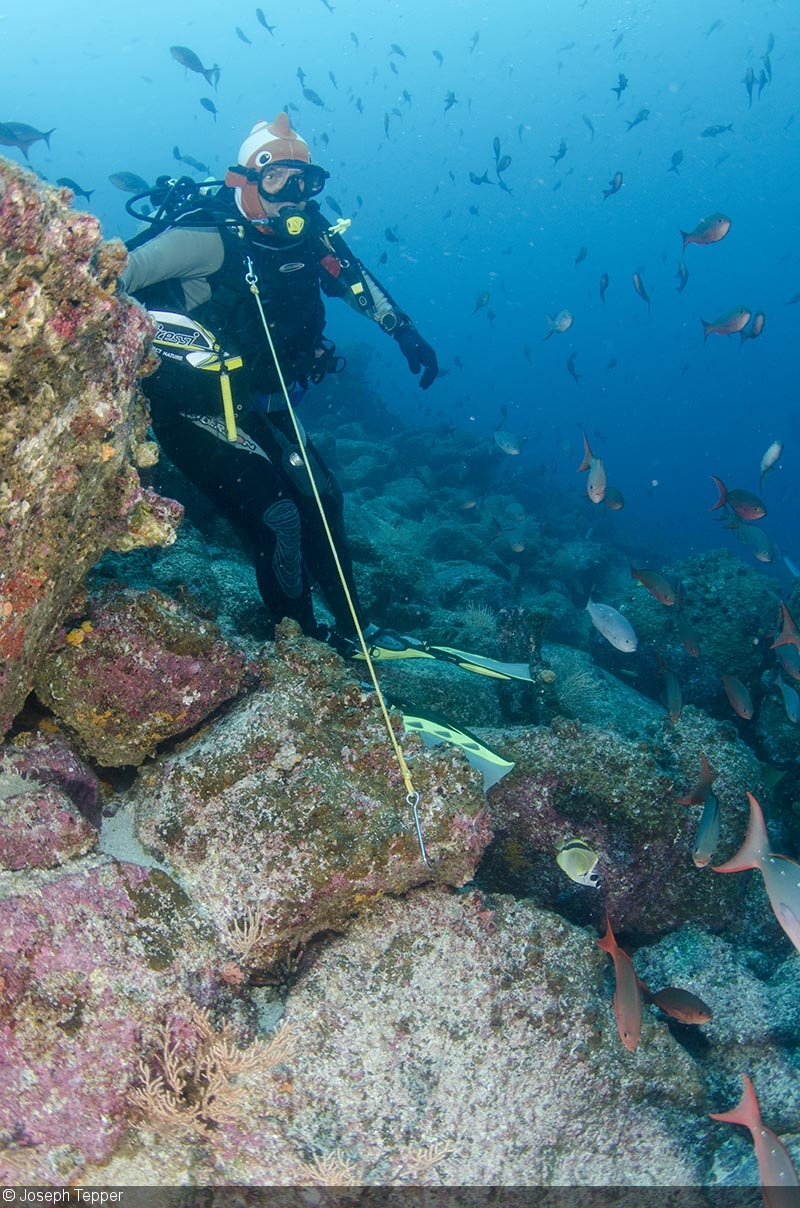
- Reef Hooks: In very strong current conditions, specially for viewing passing fish life, reef hooks may be used to hook into the reef and remain in one position.
The Experience
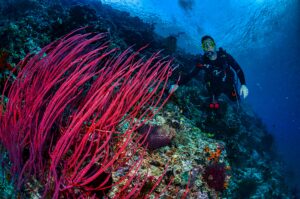
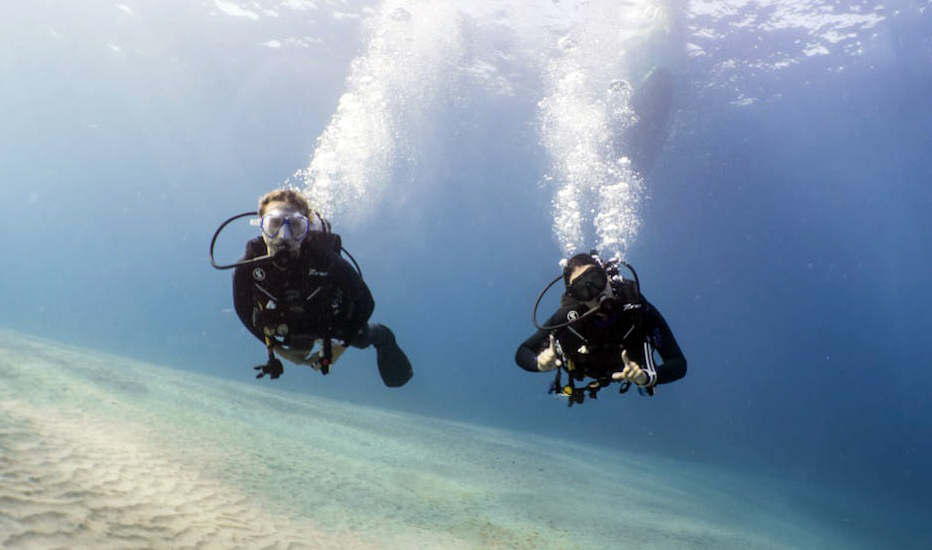
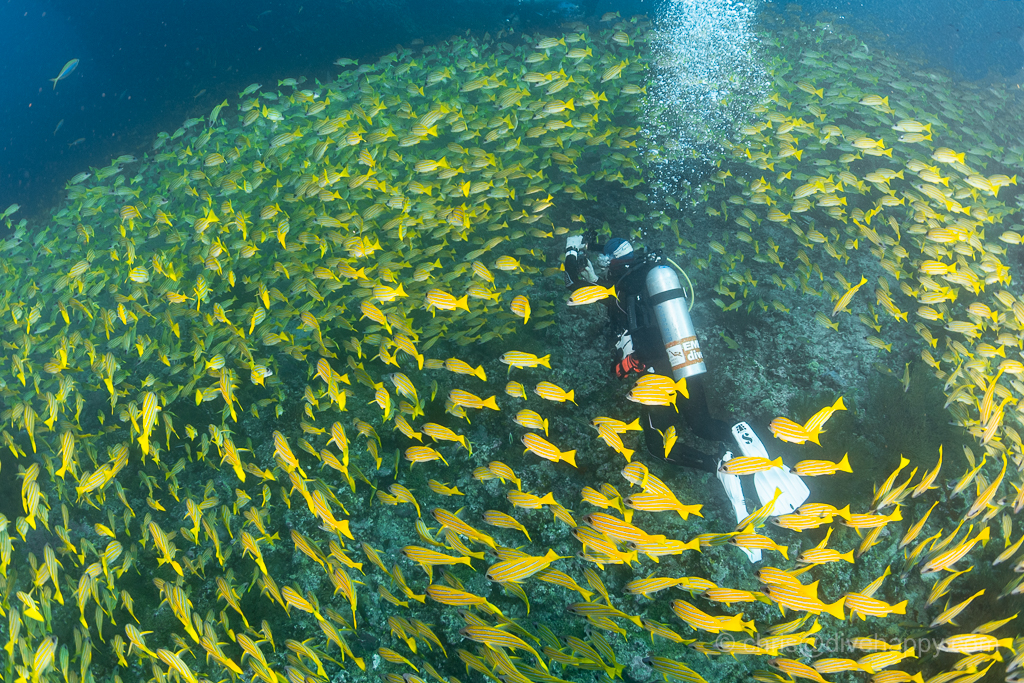
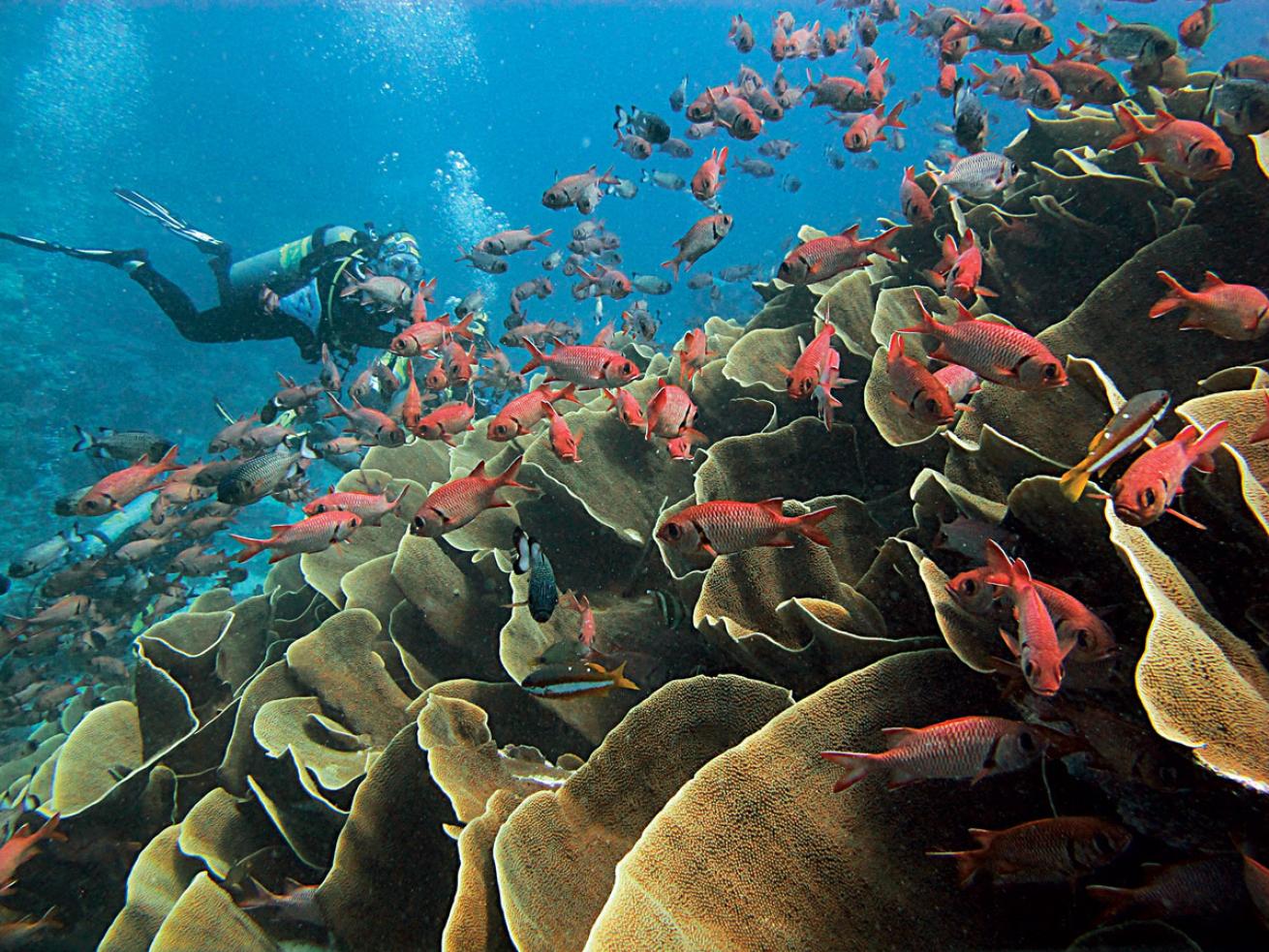
If envisioned correctly, drift diving can display the marine ecosystem from an absolutely different perspective. A moving diver becomes one with the environment he or she is in as he floats by huge schools of fish, and glides over graceful rays, and sometimes even majestic sharks. One gets a feel of speed, movement, and an experience that is almost surreal with the underwater world whizzing by.
Another huge plus of drift diving is the fact that one can effectively cover much more ground to see a greater variety of marine life. In many instances, currents fertilize certain areas, which in turn attracts a diversity and profusion of sea creatures. From nudibranchs to giant manta rays, depending on the location and conditions, drift divers can see everything in between.
Safety Considerations
One of the most beautiful dives is the drift dive; however, it does bring along its challenges and safety concerns. More planning and communication will have to be done with the dive boat for pickup at the end of the dive. Divers should all be able to see each other at all times and must keep an eye on their surroundings to not get separated and swept away by the current.
Furthermore, divers should be aware of their surroundings and never touch or cause damage to this sensitive environment. Since many drift diving activities are conducted close to coral reefs or other such sensitive habitats, responsible diving methods are required if these areas are to be preserved for successive generations.
Popular Drift Diving Destinations
Much of the world’s famous diving spots are suitable for drift diving. Some of the most popular destinations include:
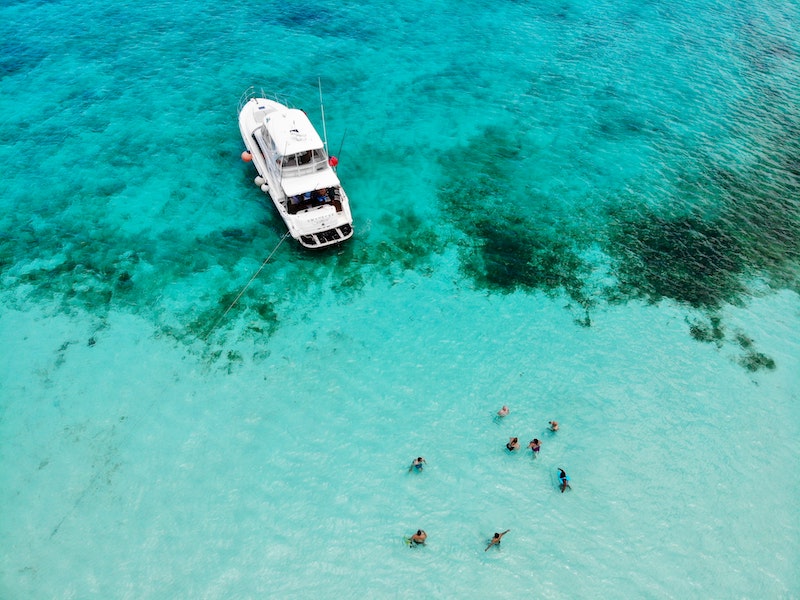
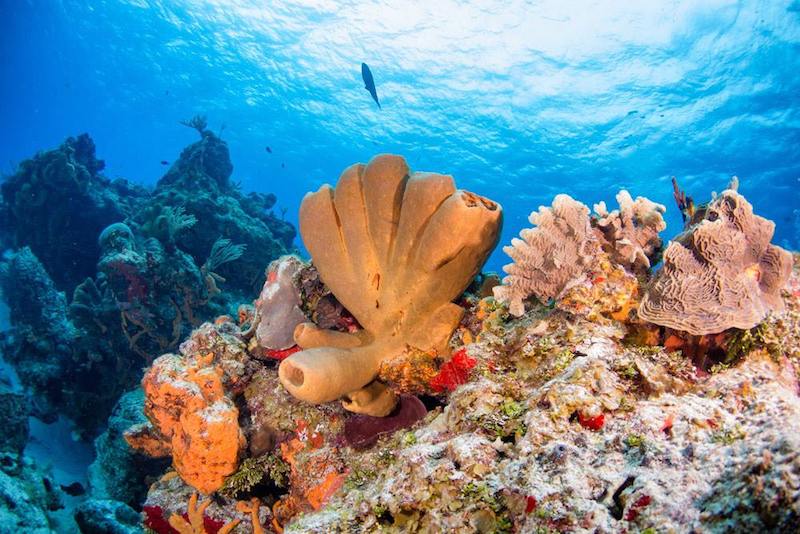
- Cozumel, Mexico: Known for its crystal-clear waters and vibrant sea life, Cozumel has a number of drift diving sites, with the famous Santa Rosa Wall being one of them.
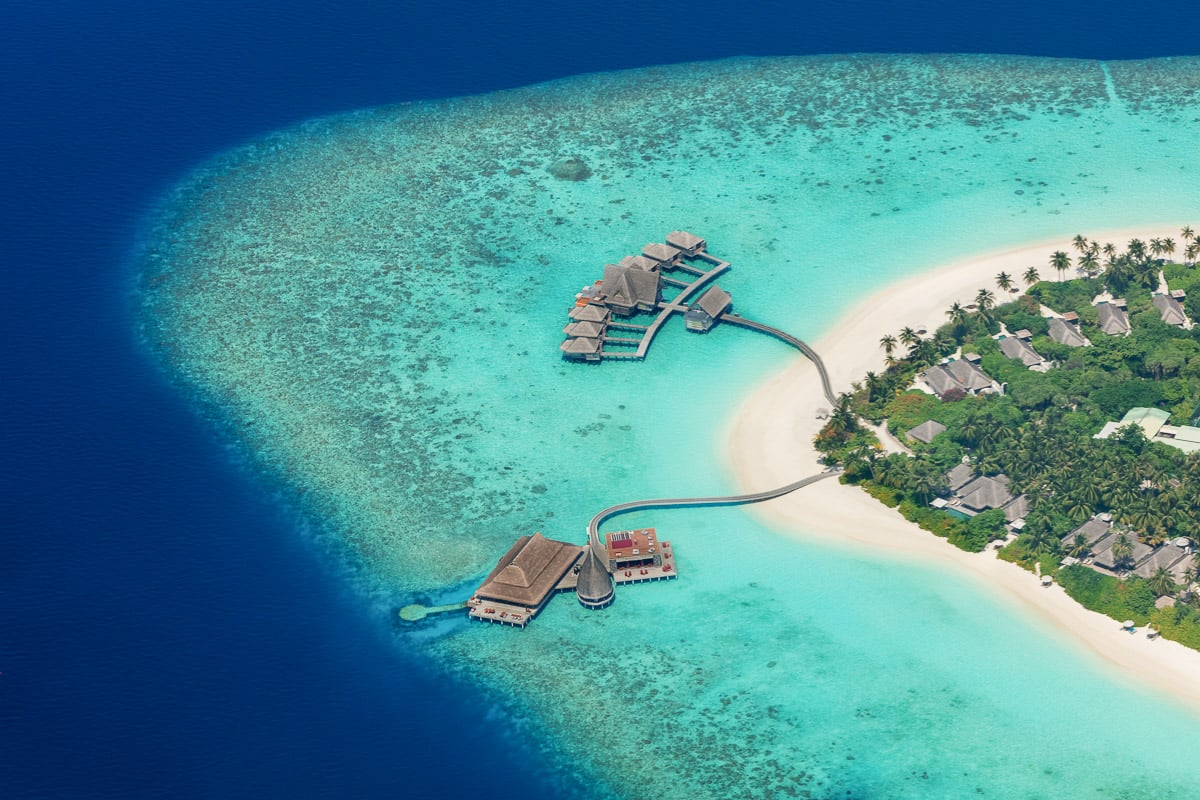
- Maldives: With strong currents and richness in biodiversity, the Maldives becomes a paradise for drift divers. The channels between atolls generally remain the favorite spots for this kind of diving.
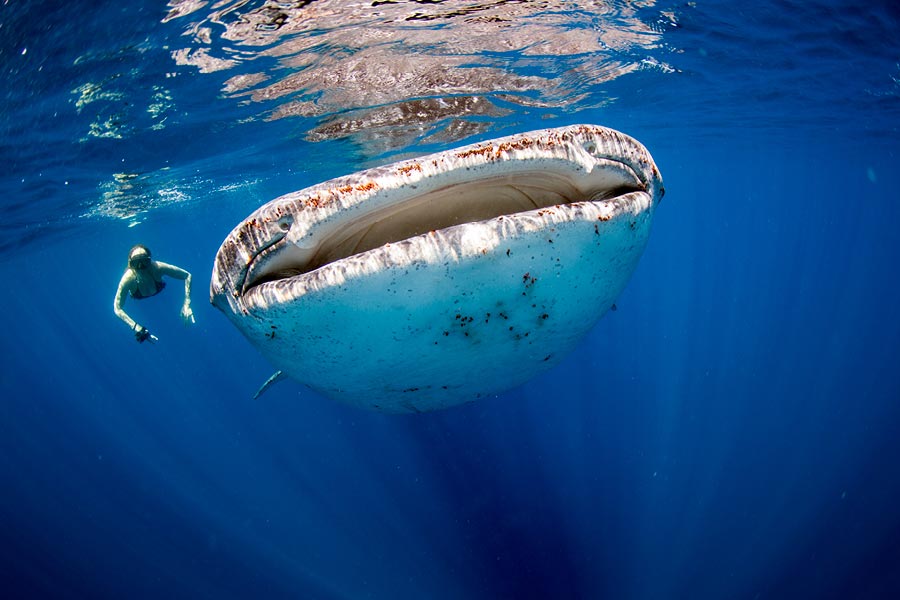
- Palau, Micronesia: This legendary drift dive in Palau’s Blue Corner allows divers to hook onto a reef and watch sharks, barracudas, and other pelagic species.
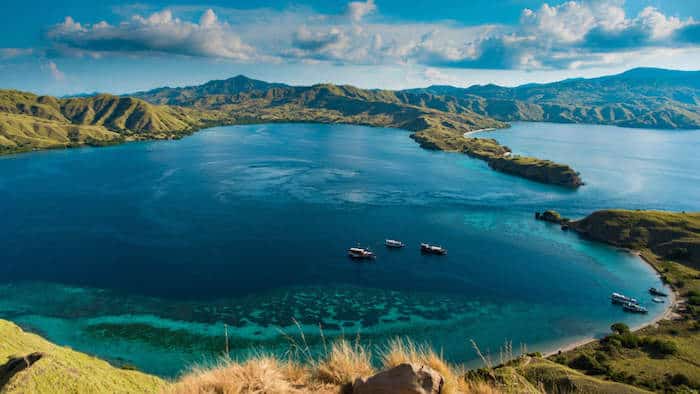
- Komodo National Park, Indonesia: This UNESCO Heritage site is well known for its powerful currents, colorful reefs, and having a chance to see the magnificent Komodo dragons on land.
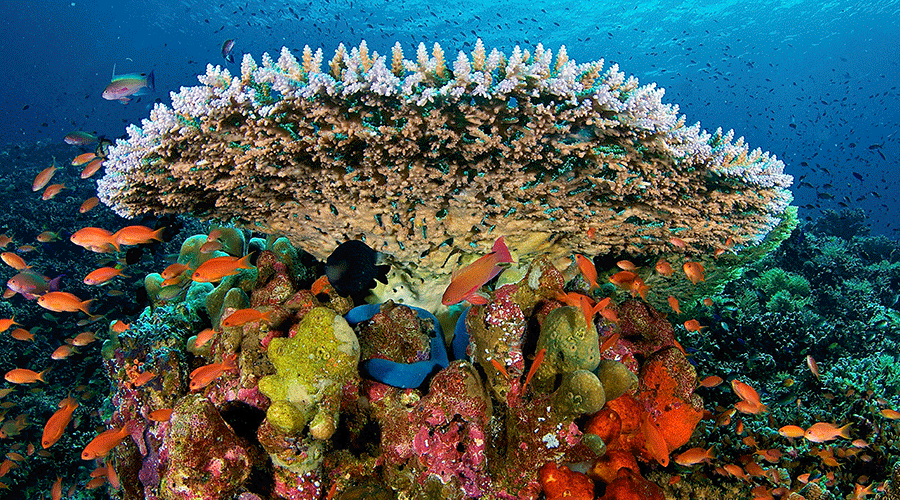
Drift diving is probably one of the most exciting ways to experience the underwater world. It simply combines the feeling of adventure with relaxation and breathtaking marine life encounters. With the help of the ocean currents, divers are able to see large underwater landscapes and a high variety of sea creatures, all while enjoying the feeling of flying through the water. With proper training and adherence to the rules, drift diving can be an unforgettable addition to any diver’s repertoire that affords just another fresh perspective on oceanic wonders. Happy and safe diving!