The PADI Rescue Diver course isn’t just another step in training — it’s a game changer. It teaches divers how to prevent problems, handle emergencies, and look after others in the water with confidence.
But while every diver can benefit from these skills, some will gain even more. In this article, we’ll look at the three types of divers who Shouldn’t skip the rescue diver course, as they are most likely to grow, improve, and truly shine through rescue training.
Whether you want to feel safer, dive smarter, or support others, this course could be the turning point in your diving journey.
3 Divers Who Shouldn’t Skip the Rescue Diver Course
The Rescue Diver course offers real value to every diver, but for some, it’s especially important. Here are three types of divers who shouldn’t skip the rescue diver course, as they will benefit the most:
- Anyone Who Wants To Become an Elite Diver.
- Safety-Conscious Divers.
- People Who Want to Overcome Scuba Diving Anxiety.
1. Anyone Who Wants To Become an Elite Diver
If your are looking for becoming a PADI Professional or a Master Scuba Diver (which is the highest recreational diving level), you should complete the Rescue Diver training. Without the rescue Diver course, Advanced Open Water Divers can’t enroll in:
- The PADI Divemaster course.
- The PADI Master Scuba Diver™ rating.
- ThePublic Safety Diver training.
2. Safety-Conscious Divers
Even if you don’t plan to move up the PADI ranks, taking the the Rescue Diver course will help you acquire valuable safety skills that could be useful for you or anyone you care about. You’ll learn:
- The proper way of handling equipment problems.
- Common diving emergencies and how to prevent them.
- Assistinga diver in need.
- Handling emergency scenes and equipment.
- The techniques of self-rescue.
Additionally, if you want to know exactly the steps you should follow to handle an emergency, topside or underwater, You’ll gain many benefits from the Rescue Diver course. Don’t forget to mention that completing first aid and CPR training is required before joining.
There is no need to be worry if you’re not certified in those areas. Your PADI Instructor can help you get those certifications. Your instructors will help you how to deal in topside emergencies such as:
- How to assist injury and illness.
- Identifyinga stroke.
- How to manage bleeding.
- Bandaging wounds.
- Splinting injuries.
- How to help a chocking victim.
- How to handle a victim withspinal injury.
And Perhaps the most important one is learning how to make the right decisions under pressure when every moment counts.
3. People Who Want to Overcome Scuba Diving Anxiety
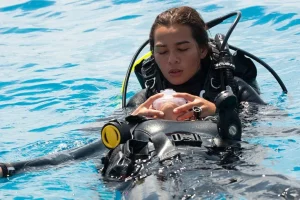
The Rescue Diver course will also help you to overcome scuba diving anxiety by showing you effective ways to prevent worst-case scenarios and proper actions for emergencies. The course included many confined water (pool) practice.You will have sufficient time to learn the 10 rescue diving skills before going to open water.
Also, you will get a lot more fun than expected. Rescue Diver is considered the favorite PADI course to many Rescue Divers. The role-playing part is what makes it fun. Some divers fully embrace the “panicked diver” role, even insisting there’s an alligator in the pool.
Every Diver Should Be a Rescue Diver
The truth is that every diver should become a Rescue Diver, not only the types we mentioned above. The PADI Rescue Diver course is regarded as your fun option to become:
- A safer scuba diver.
- A better dive buddy.
- A more confident diver.