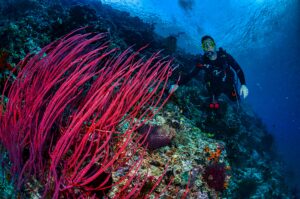
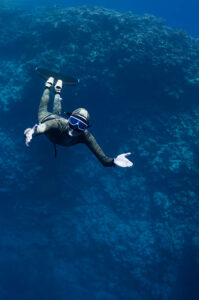
Scuba diving is like entering a magical world where colorful fish, secret caves, and amazing underwater landscapes are waiting to be explored. There are also risks and challenges associated with the appeal of blue. Divers must manage potential dangers amid the excitement of diving to unknown depths, and oxygen poisoning is a powerful enemy below. At the enjoying of underwater exploration, oxygen toxicity is an issue that needs to be understood and addressed. This article attempts to explain its causes, symptoms, prevention, and implications for divers.
Comprehending the toxicity of oxygen

Oxygen is a critical issue of the air we breathe, helping existence by way of facilitating various physiological methods. however, at extended pressures, inclusive of the ones experienced in deep-sea diving, oxygen can become toxic to the human body. Oxygen toxicity happens whilst the partial strain of oxygen (PPO2) exceeds secure limits, main to many adverse effects.
There are kinds of oxygen toxicity that divers need to be aware of: primary nervous gadget (CNS) Oxygen Toxicity and Pulmonary Oxygen Toxicity. CNS Oxygen Toxicity usually impacts the brain and anxious machine, while Pulmonary Oxygen Toxicity impacts the lungs.
Causes of Oxygen Toxicity in Scuba Diving:
-
Extended Partial Pressure of Oxygen:
Divers are exposed to high pressure as they descend underwater. As they go deeper, the partial pressure of oxygen increases, potentially reaching levels that could induce oxygen toxicity.
-
Breathing High Levels of Oxygen:
The use of enriched air or nitrox, which includes a higher percentage of oxygen than regular air, can increase the hazard of oxygen toxicity if now not used carefully.
-
Extended Exposure:
Longer dive periods or repetitive dives without enough surface periods can raise the exposure to high oxygen levels, heightening the hazard of toxicity.
Signs of Oxygen Toxicity:
- Pulmonary Oxygen Toxicity:
Symptoms can additionally embody chest pain, coughing, problems breathing, and, in excessive cases, non-cardiogenic pulmonary edema.
- CNS Oxygen Toxicity:
– Early symptoms and signs can encompass visible disturbances, nausea, twitching, and dizziness.
– Extreme instances can lead to convulsions, lack of consciousness, and drowning if they show up underwater
Stopping Oxygen Toxicity:
- Tracking oxygen Exposure:
Divers have to understand their depth, bottom time, and oxygen tiers to keep away from exceeding secure PPO2 limits.
- Correct gas combinations:
The use of suitable gas mixtures, like nitrox, and adhering to secure diving tables or computer algorithms allows the controlling of oxygen exposure.
- Instruction and training:
Divers need to undergo proper instruction to understand the risks of oxygen toxicity and discover ways to react efficiently to its signs.
Considerations for Divers:
- Safety Protocols:
organizing and following safety protocols, which include pre-dive checklists, thorough briefings, and emergency approaches, is vital to minimizing the hazard of oxygen toxicity.
- System Maintenance:
everyday inspection and protection of diving devices, especially oxygen delivery systems, are crucial to prevent malfunctions that could contribute to extended oxygen exposure.
Recognizing the dangers, especially the threat of oxygen toxicity isn’t meant to detract from the joy of diving but to enhance it with the aid of fostering a feeling of responsibility and preparedness. secure diving isn’t just a set of guidelines but a mindset, a commitment to one’s well-being, and the preservation of the sea’s fragile ecosystems. through embracing proper training, adhering to safety protocols, and understanding the nuances of oxygen exposure, divers can make certain that the appeal of the deep remains a supply of joy in preference to a reason for the concern.