People may explore the fascinating world under the ocean’s surface through the exhilarating and daring sport of scuba diving. It does, however, entail a unique set of obligations and hazards. Since divers must use their tanks to breathe underwater, controlling air consumption is one of the most important parts of scuba diving safety. Appropriate training and attention to procedures are critical for ensuring safety and preventing accidents, particularly in open-water courses when beginners are exposed to the fundamentals of diving.
The idea of air checks, especially around the 120-bar threshold, is fundamental to scuba diving safety procedures. We discuss the need for air checks during open-water training, the relevance of the 120-bar threshold, and how these factors all contribute to diver safety in our article.
Comprehending Air Checks
Scuba divers perform air checks on a regular basis to assess the amount of air still in the tank. To find out how much air is left, check the pressure gauge that is fastened to the tank. To make sure they have enough oxygen to safely surface, divers usually check their air supply at regular intervals during their dive.
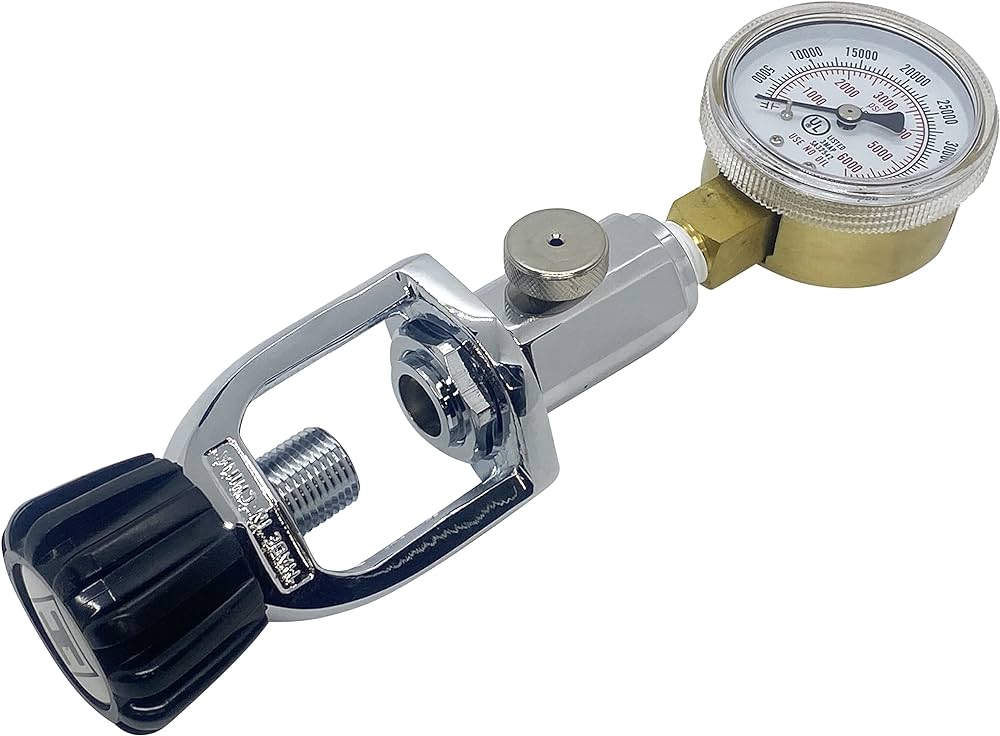
Air checks in open-water courses: Why they’re important
Beginning scuba divers can learn the principles of diving in real-world environments through open-water training. Underwater confidence building, safety procedures, and the teaching of fundamental abilities are the main objectives of these courses. An essential component of diving safety that is taught in these courses is effective air management, which is one of the abilities that air checks are vital in fostering.

The inclusion of air checks in open-water courses serves as a means for instructors to highlight the critical role that air supply monitoring plays in keeping divers safe. When it’s safe to surface, novices learn to become conscious of how much air they use.
120-Bar Mark’s Significance
As the minimal reserve pressure for ascent is so close to the 120-bar mark, even if air checks may be carried out at different pressure levels, this mark is very important. When diving for fun, it’s usually advised to get to the surface with 50–70 bar of air left in the tank to cover any unforeseen incidents or delays.
The need to start getting ready for ascent is indicated by the fact that divers are getting close to the crucial reserve barrier at 120 bar. Reminding divers to start keeping a closer eye on their air consumption and to be ready to end their dive quickly is what this pressure level is meant to do. As divers rise, it also offers a buffer zone that lets them keep a margin of safety.
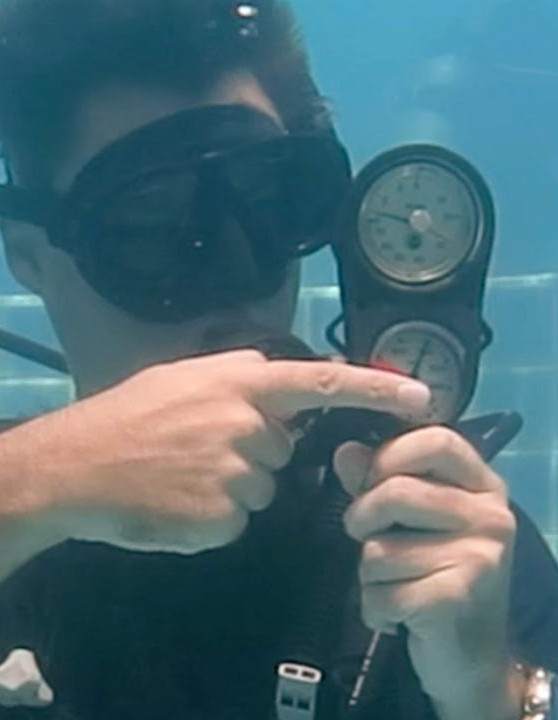
Implications for Safety
Diver safety is greatly affected by the focus placed on air checks at the 120-bar level in open-water courses. Divers can form the habit of routinely checking their air supply and taking proactive steps to ensure they have enough oxygen for a safe ascent by implementing this practice early in their training.
Additionally, divers have a greater awareness of their own air consumption habits and underwater limitations by realizing the significance of the 120-bar threshold. By lowering the chance of panic and encouraging cool, collected reactions under trying circumstances, this knowledge can aid in the prevention of low-air or out-of-air catastrophes.
An essential component of open-water scuba diving courses, air checks at the 120-bar mark are a cornerstone of responsible underwater procedures and diver safety. Instructors ensure that novices acquire the awareness and competence required to dive safely in a variety of situations by introducing this practice into training programs. This helps beginners build critical skills and habits.
The knowledge gained from air checks at 120 bar is crucial to prospective divers as they advance in their training and accumulate experience since it will lead them to a lifetime of safe and fun diving experiences. Every diver has to be proficient in effective air management since it’s a lifeline in the dynamic and unpredictable undersea environment. Happy and safe diving!