As a scuba diver, you may have experienced a sudden and severe drop in the temperature of the water or an unexpected change in visibility while making a descent into deeper waters. Many such times, these changes in properties are caused by **thermoclines**, which are layered in the ocean where the temperature of the water changes suddenly over a comparatively short distance. This understanding is important for a diver as it might come into play not only in comfort but also in dive planning and safety. The article will outline what a thermocline is, how to recognize one, and ways divers can best cope with its impact on temperature and visibility.
What Are Thermoclines?
A thermocline is a well-defined stratum in a mass of water within which the temperature decreases more rapidly than that above and below it. Generally, solar heating warms the surface water, which forms a warm stratum. Underlying this warm stratum, there is a sudden drop in temperature, which defines the thermocline; below that, the temperature falls with increased depth.
Thermoclines may occur in all large bodies of water, including oceans, seas, and lakes. Their depth and strength vary according to the time of day, season, location, and depth of the water.
Thermocline Formation:
- Solar Heating: The sun warms the water at the surface. The upper level is now warm and hence less dense, resting on top of colder and denser water underneath.
- Lack of Mixing: Deeper water does not mix as easily with surface water because deeper water is different in temperature and in density, thus what is called a thermocline.
- Seasonal Variations: During the summer months, when the surface water is warm, generally thermoclines are formed at shallower depths. During colder months, they may be deeper when surface temperatures go down.
How to Identify a Thermocline When Underwater
There are two important ways to find thermoclines, which are a sudden drop in temperature and visibility changes.
- Temperature Drop: You start down through the water, and all of a sudden you reach the thermocline and in an instant feel a very rapid drop in temperature. This could be as large as a 10°C (18°F) shift over just a few meters. The deeper you continue to go from the thermocline, the colder the water will be, and sometimes this requires an adjustment to your exposure protection, such as wetsuits or drysuits.
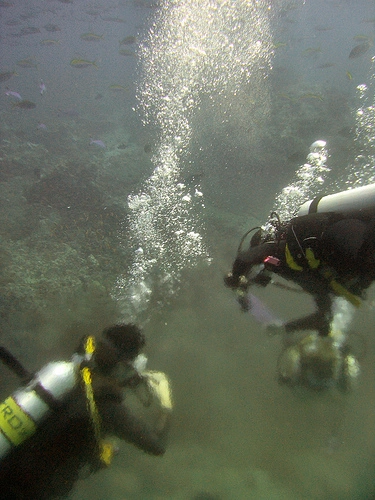
- Visibility Changes: In addition to the drop in temperature, many thermoclines tend to break visibility as well. Similar to refraction when light travels through different temperature layers, the point where one travels through can have blurry or distorted vision. This hot and cold water boundary makes a shimmering or hazy-like view that cannot see much out of it. Really deep or murky waters do, in fact, tend to have this happen.
- Distorted Vision: You may see a ‘shimmering’ effect, like heat waves rising off of a hot road. This is caused by light bending while fighting its way through water of different temperatures.
- Color Changes: Colors will often appear different as you pass through a thermocline. The cooler, deeper water could be filtering out a portion of the wavelengths of light, which makes the reds and oranges subdued or distorted.
Managing Thermoclines: Strategies for Divers
Understanding how to handle thermoclines can help you stay comfortable and safe while diving. Here are several strategies that can be utilized to manage the temperature and visibility changes accompanying thermoclines.
1. Properly Choose Exposure Protection
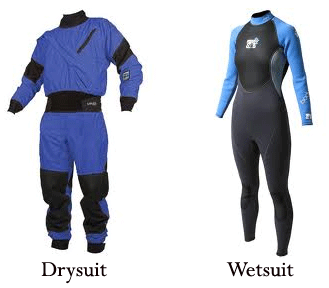
Thermoclines are areas where sudden changes in water temperature occur, proper protection against exposure should be worn. If you dive in waters that have thermoclines, it is mandatory to wear either a wetsuit or a dry suit that can keep you safe from cold water temperatures. You might feel warm at the surface, but once you descend past the thermocline, the temperature drops drastically.
Wetsuits: In the case of a moderate drop in temperature, one could wear a thicker wetsuit, 5-7mm. Add an extra layer of warmth by putting on a hood or vest over it.
Drysuits: A drysuit will offer much better protection in cold regions or deeper dives where the thermocline brings in very cold water to keep you dry and insulated during your dive.
2. Regulate Your Buoyancy
The thermoclines might be a cause for mild changes in buoyancy, as there would be a slight change in density between the warm and cold layers. As you go through the thermocline, you will have to make some light adjustments to your buoyancy. Make use of your BCD in order to maintain neutral buoyancy, or stay at a steady height without quick ascents or descents.
Add or Release Air: If you feel yourself falling when descending through the thermocline, add a little air to your BCD. Similarly, if you shoot upward back to the warmer layer, release some air to stay in control.
3. Be Prepared for Changes in Visibility
Thermoclines are usually associated with reduced visibility, which can have an impact on navigation and general awareness of what is going on around you. A diver who was planning on or expecting to dive in areas with thermoclines would want to be prepared for poor visibility by using good diving practices such as:
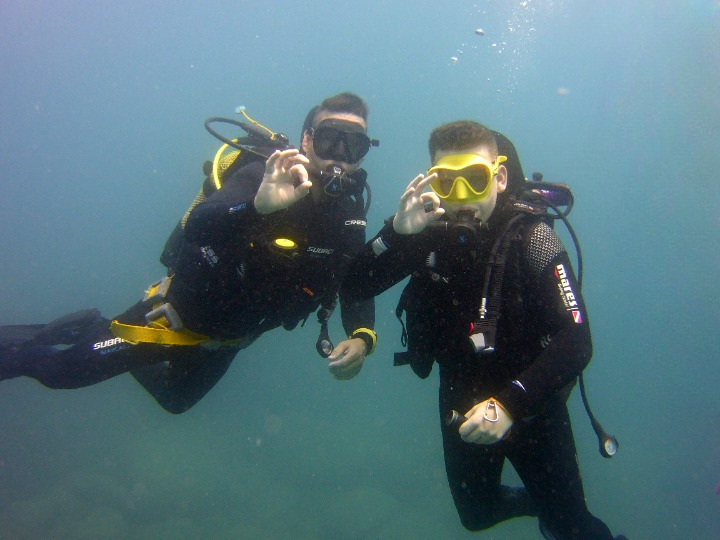
- Stay Close to Your Buddy: If the visibility is poor, it will be even more challenging to keep tabs on your diving buddy; therefore, stay within an arm’s reach communication distance for safety.
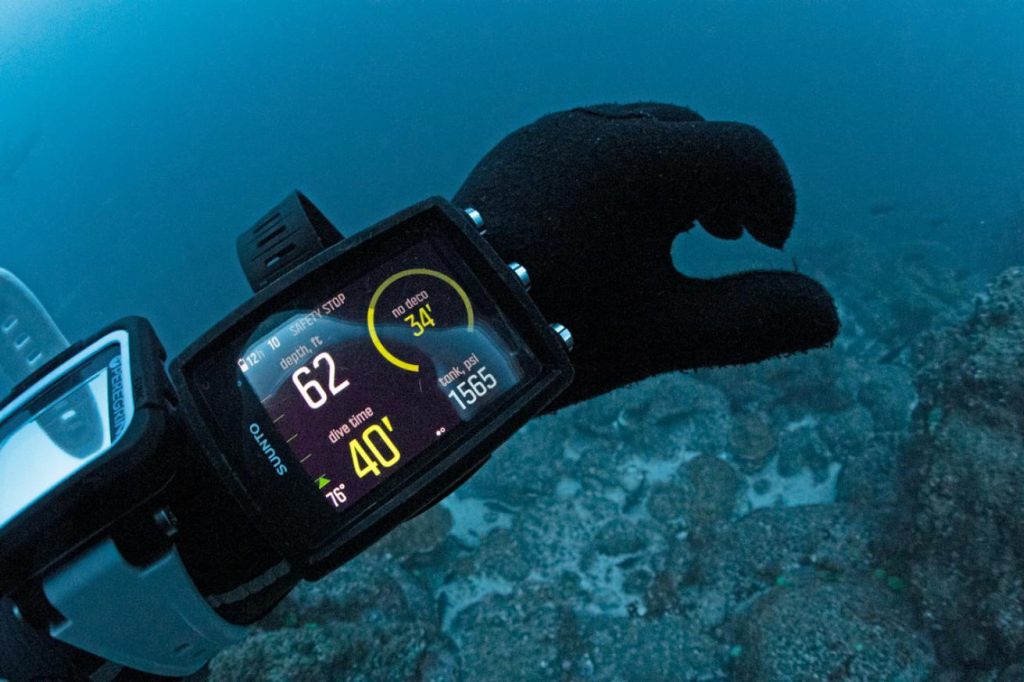
- Rely on Navigation Instruments: Compasses and dive computers become even more important when visibility is reduced. Use your compass to keep oriented, preventing disorientation in the shimmering water.
- Don’t Panic: The blurring effect of thermoclines is somewhat disorienting; one must be patient and trust his or her training. In most cases, after crossing the thermocline, visibility settles.
4. Plan Your Dive Depth Accordingly
Thermoclines generally will form at predictable depths based on the geographical location and time of year. If you are familiar with the thermocline conditions in the place you will be diving, you can plan your dive to avoid or prepare to move through these layers of water.
- Shallower Dives: Tropical waters may have a thermocline at much greater depths, so diving shallower could help you avoid colder temperatures.
- Deep Dives: On deeper dives, remember that the water could be colder and take along warmer gear- thicker gloves and hoods- to maintain body warmth after crossing the thermocline.
5. Slow Down and Monitor Your Body
Therefore, crossing a thermocline in a swift manner can make the impact of temperature change quite shocking. In case of avoiding discomfort, it is better to slow down when approaching a thermocline so that your body can get some time to adapt to cold water. Moreover, make sure to pay due attention to your dive computer about depth too deep diving without the proper gear can drop you suddenly into cold waters.
Why Thermoclines Matter for Divers
Knowledge of thermoclines is important to the diver because they can affect comfort, navigation, and safety. Sudden changes in temperature may be uncomfortable or even dangerous if you are not properly insulated while changes in visibility can make it difficult to see your dive buddy or underwater landmarks.
Impact on Marine Life
Thermoclines also affect marine life, as many species prefer specific temperature ranges. You might even notice different types of fish and creatures as you pass through a thermocline since some marine animals do well in the warmer shallow waters, whereas others prefer cooler deeper environments.
Thermoclines are a natural underwater phenomenon that divers often come across. Recognising how to cope with such dives is of prime importance for comfort, safety, and enjoyment. Understanding the way thermoclines form and affect the temperature and visibility permits divers with appropriate equipment and techniques to confidently navigate the layers and make the most of their underwater experience.