The Buddy Check is a little but important ritual that protects diver safety amidst the breathtaking coral reefs and abundant underwater life. This vital exercise guarantees that every step into the unknown is greeted with readiness, communication, and steadfast faith, as bubbles dance upward and sunshine pours through the azure vastness. Come explore how the Buddy Check functions as a lifesaver in the underwater world when oxygen is at a premium as we dig into the depths of this essential tradition of scuba diving.
Comprehending the Buddy Check
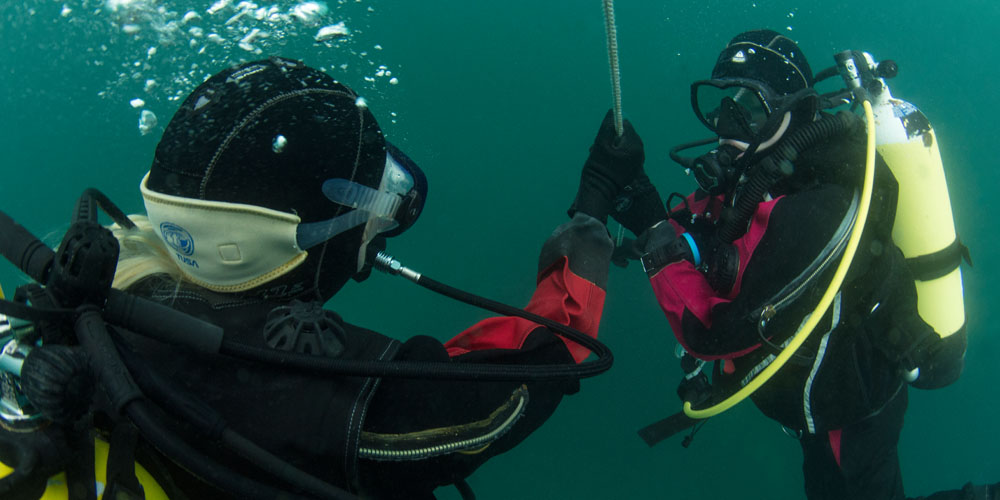
Before every dive, divers undergo a standard technique called the buddy check, which is sometimes referred to as the pre-dive safety check or the pre-dive buddy check. It entails carefully examining each other’s diving gear to make sure everything is put together correctly and in functioning order. Essential parts including the regulator, buoyancy control device (BCD), tank valve, mask, fins, and weight system are usually checked with a companion.

Relevance of the Buddy Check:
-
Equipment Functionality: The buddy check is important since it’s mostly used to make sure that all of the diving equipment is operating as intended. It is possible to avoid underwater mishaps like regulator free-flow or BCD failure by identifying equipment problems prior to entering the water.
-
Emergencies: Becoming ready for emergencies is crucial since scuba diving involves inherent hazards. It is ensured that both divers are conversant with each other’s gear and have the skills necessary to react appropriately in an emergency by doing a buddy check.
-
Communication: Between diving companions, the buddy check promotes communication. Divers build a degree of trust and knowledge that improves collaboration underwater by talking about emergency protocols and equipment setup in advance.
-
Self-assurance and tranquility: It gives you self-assurance and tranquility to know that your friend has examined your equipment and vice versa. Without having to worry about equipment failure or other safety issues, divers can concentrate on having fun during their dives.
-
Risk Reduction: When buddy checks are done correctly, they lower the chance of mishaps and the chance of getting hurt or killed when diving. Divers considerably increase their underwater safety by seeing and resolving possible problems prior to sinking.
The Buddy Check’s constituent parts:
Usually, the buddy check consists of many crucial procedures, each concentrating on a certain part of diving gear:
-
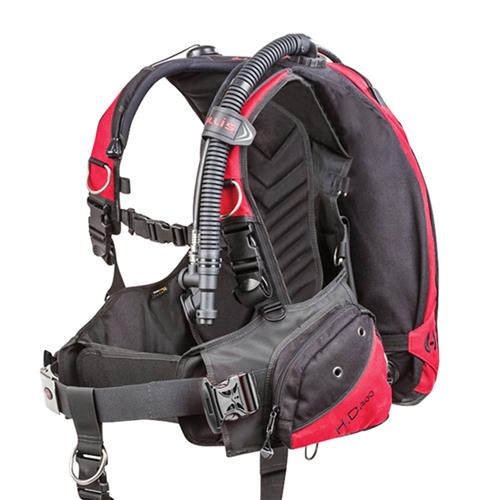
BCD: Make sure that the buoyancy control device is correctly inflated and deflated, that all straps and buckles are fastened firmly, and that the emergency release mechanism is easily accessible and operational.
-
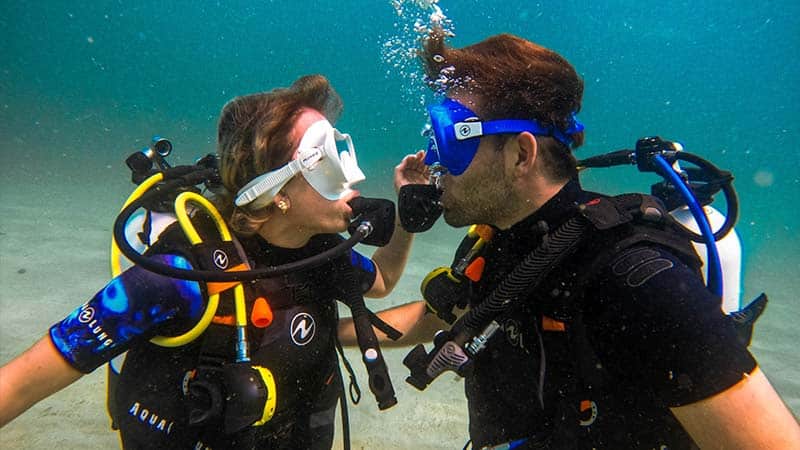
Regulator: Inspect the first and second stages of the regulator for leaks, correct tank valve attachment, and breathing comfort. Verify that the octopus, the alternative air source, is operational and conveniently accessible by testing it.
-
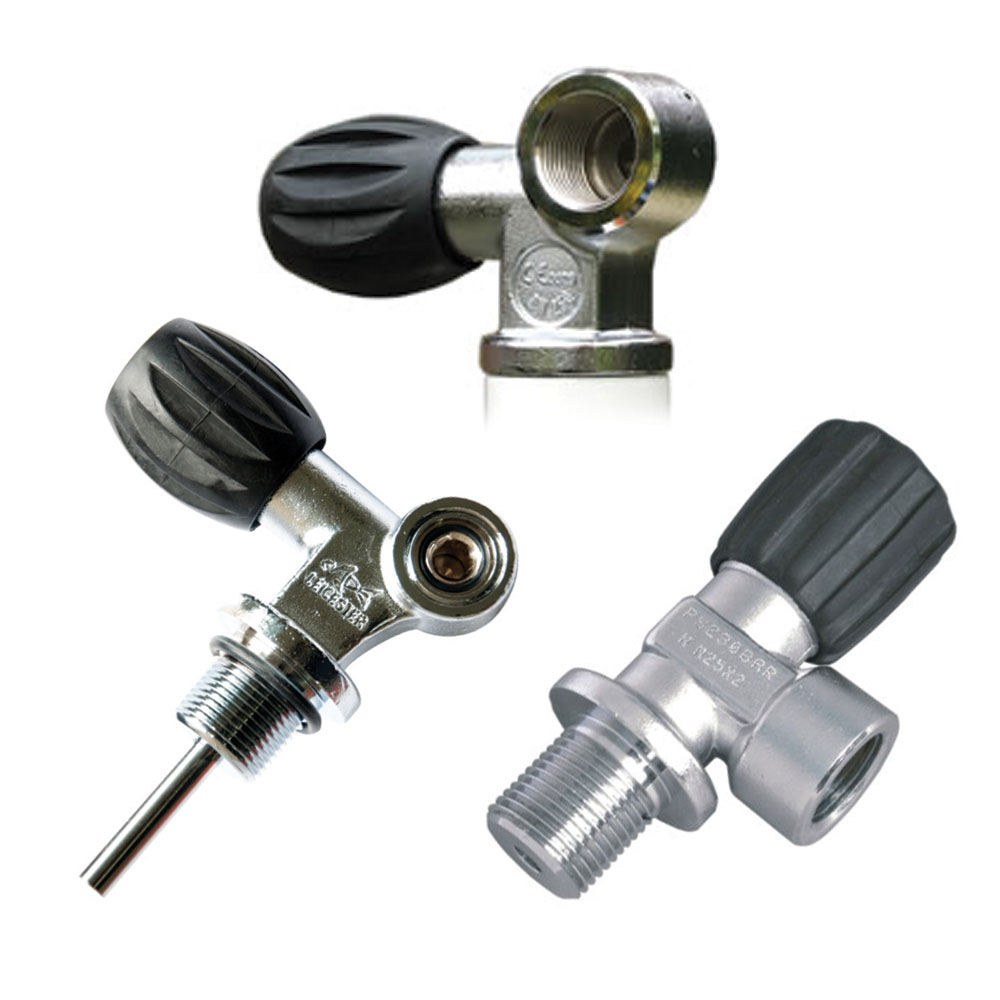
Check to make sure the tank valve is firmly fastened to the tank and completely open. Look for any indications of corrosion or damage that might jeopardize its integrity.
-
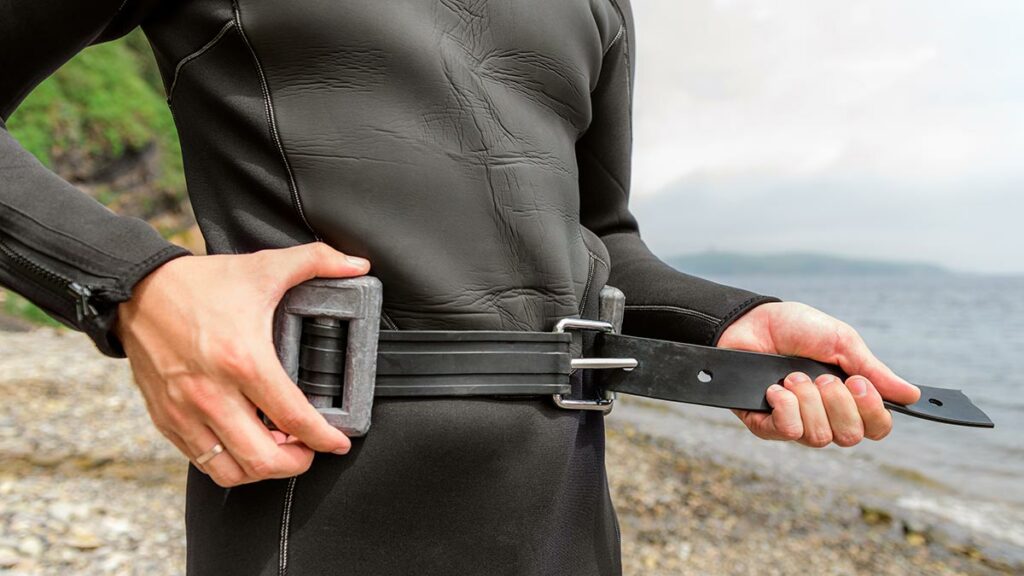
Weights: Verify that the weight system is uniformly distributed and securely fastened. In an emergency, divers should be able to rapidly and easily remove their weights.
-
Mask and Fins: Make sure the strap is suitably adjusted and that the mask has a good seal. Make sure the fins fit properly and look for any indications of wear or damage.

-
Hand signals, emergency ascent protocols, and any other pertinent communication protocols should be discussed with your companion when it comes to communication and emergency procedures. Verify that the emergency contact information and dive plan are understood by both divers.

The Best Ways to Carry Out a Buddy Check
The following best practices should be followed by divers in order to optimize the efficacy of the buddy check:
-
Be consistent: Before every dive, regardless of your degree of expertise or familiarity with your dive partner, do a buddy check. Maintaining a safety-conscious mentality and making sure no measures are missed requires consistency.
-
Detailed: Invest some time in closely examining each other’s equipment. Before getting into the water, pay close attention to details and resolve any issues or inconsistencies.
-
Open communication with your friend is essential during the buddy check procedure. To establish mutual trust and understanding, welcome queries and provide clarification on any ambiguities.
-
Patience: When doing the buddy check, especially if you are diving with less experienced companions, use patience and compassion. Seize the chance to promote a culture of ongoing learning and development by educating people about and reinforcing safety procedures.
-
Lead by Example: Give a good example by putting safety first and following rules. By exhibiting a dedication to safety-aware conduct, you inspire your diving partner to follow suit.
One essential safety procedure for scuba divers is the buddy check, which is vital for averting mishaps and guaranteeing a secure dive. Divers can reduce the danger of injury or death underwater, improve communication and collaboration, and detect and handle possible problems by methodically checking each other’s equipment before getting into the water. Every dive routine that includes the buddy check shows a dedication to safety and responsible diving, which eventually makes diving safer and more pleasurable for everyone. Happy and safe diving!