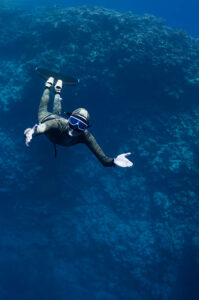
Underwater navigation is something that is important to divers, marine researchers, and underwater explorers. The difficulties in orientation in the three-dimensional aquatic environment with poor visibility and variable depths demand navigation aids that can be depended upon. This article discusses different kinds of underwater navigation equipment, including GPS systems, compasses, and digital tools important in Subaquatic orientation.
The Importance of Underwater Navigation
Effective underwater navigation is a must for safety and efficiency. Divers and researchers need to find dive sites, avoid dangerous areas, and return to entry points in environments where there are few or no visible landmarks. The competence of keeping situational awareness and orientation enhances the diving experience and reduces risks.
GPS: A Challenge Underwater
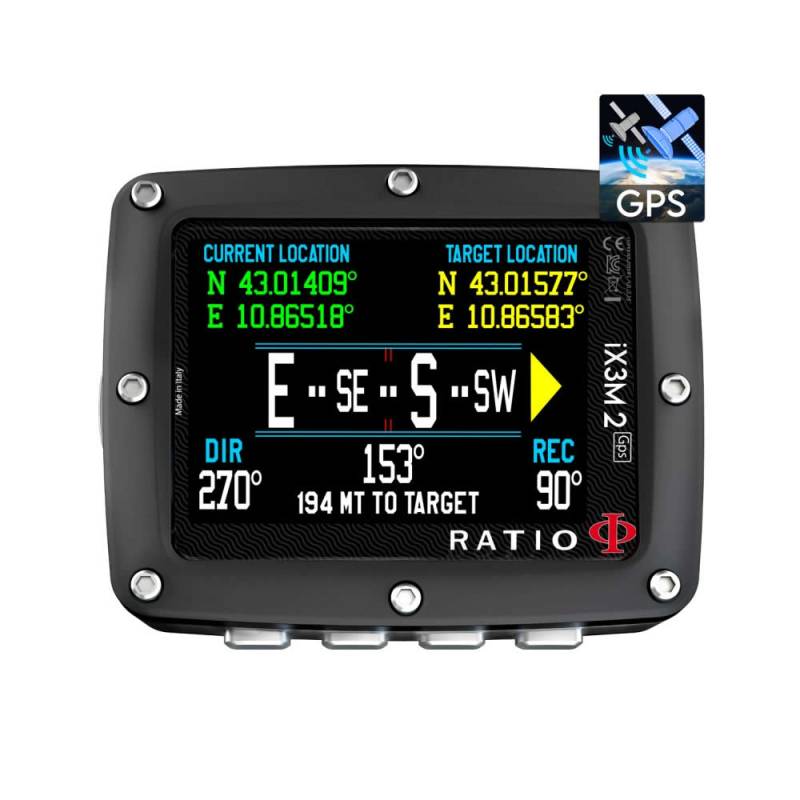
GPS is a staple of navigation on land; it has limitations underwater, though. First, GPS signals cannot penetrate water, hence it does not help in real-time positioning while submerged. Still, even with that, GPS may prove extremely useful in pre-dive planning and surface navigation. Many divers use GPS units to mark entry and exit points or plot dive sites before descending. Some dive boats use GPS to get to dive sites as well.
Hybrid Solutions
In order to overcome the GPS limitations underwater, hybrid systems have been developed. Most of them are a fusion of GPS with other technologies, like inertial navigation systems or acoustic positioning. When a diver comes to the surface, he/she can synchronize underwater navigation data with GPS coordinates, creating a logbook of their dive profile.
Compasses: The Traditional Tool
No matter how much digital navigation aids may have increased, the compass remains a fundamental tool for underwater navigation. Traditional magnetic compasses work well underwater and remain the only method divers who want to keep track of direction can possibly do so.
Types of Compasses
1. Analog Compasses: These old-school compasses have a magnetic needle that points toward the Earth’s magnetic field. They are virtually fail-safe, easy to use, and require no power or electronic components.
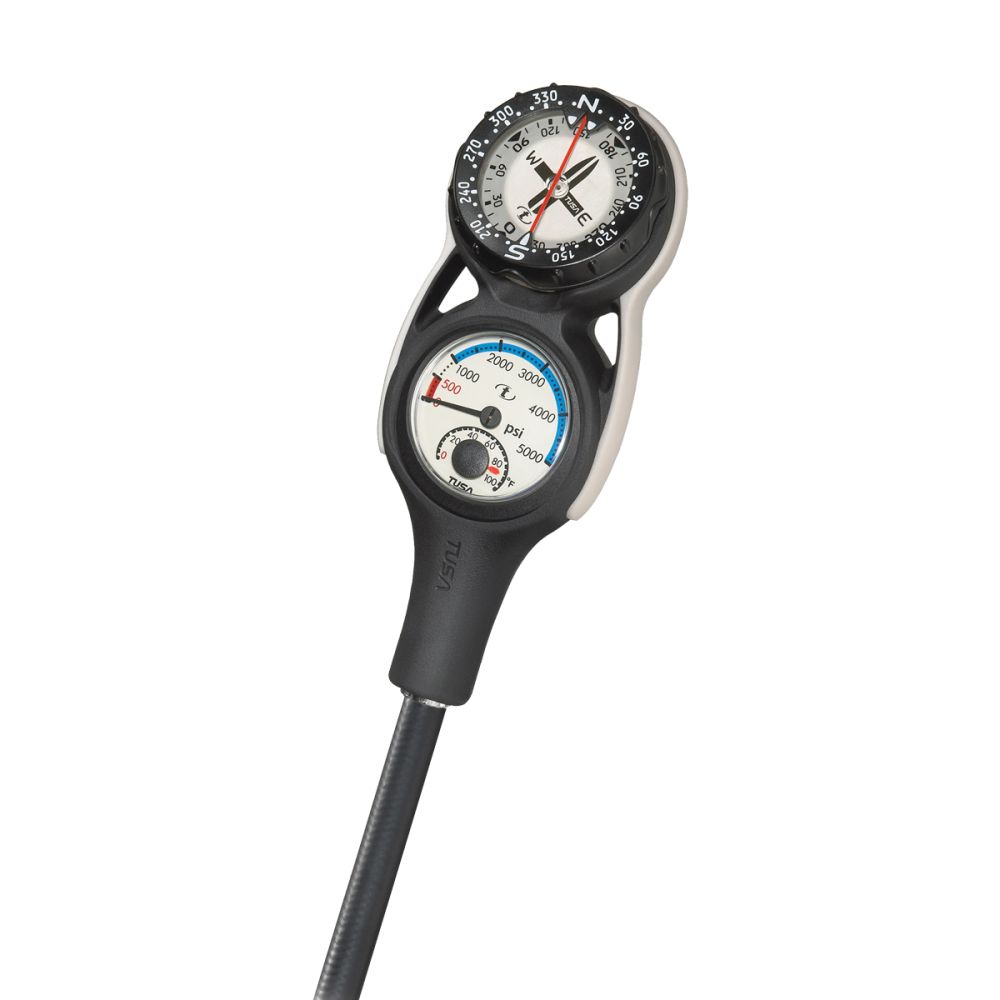
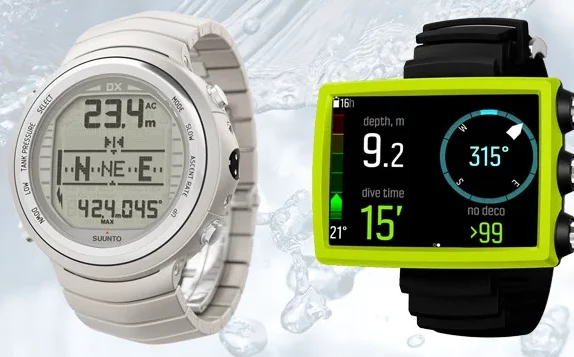
2. Digital Compasses: More advanced models use electronic sensors to give a digital heading readout. Quite often, such compasses are combined with dive computers so as to give real-time navigation along with depth and time information.
Techniques for Using a Compass
In general, successful compass navigation underwater involves technique divers often refer to as “heading”: looking at a given bearing, watching the compass in order to keep that course, and making appropriate adjustments against any currents or drifts. Practiced on training dives, it develops confidence and results in learning accuracy.
## Electronic Assistance: Navigation Improvement With the help of technology development, many digital aids are developed that enhance underwater navigation. These tools use sensors and data analytics to provide orientation information to the divers in detail.
Dive Computers
Many modern dive computers now come with an integrated digital compass, providing divers with instant directional information, along with depth and time readings. Some models include additional functionality, such as waypoint marking; divers can even “log” specific points of interest during their dive.
Augmented Reality (AR) and Virtual Reality (VR)
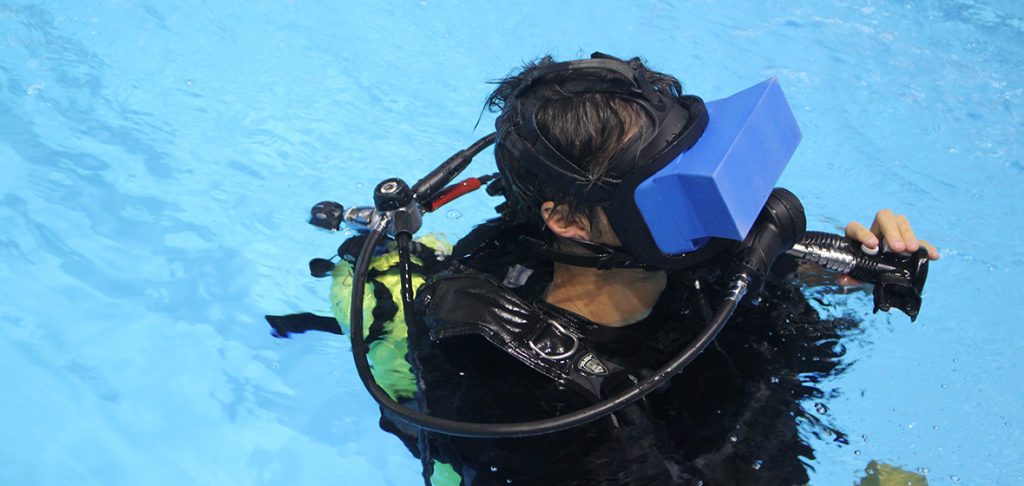
Now, AR and VR are starting to get under the sea of underwater navigation. Such systems may superimpose digital information onto the diver’s field of vision, therefore providing contextual data like depth, direction, and dive time, making navigation more intuitive.
Sonar and Acoustic Positioning
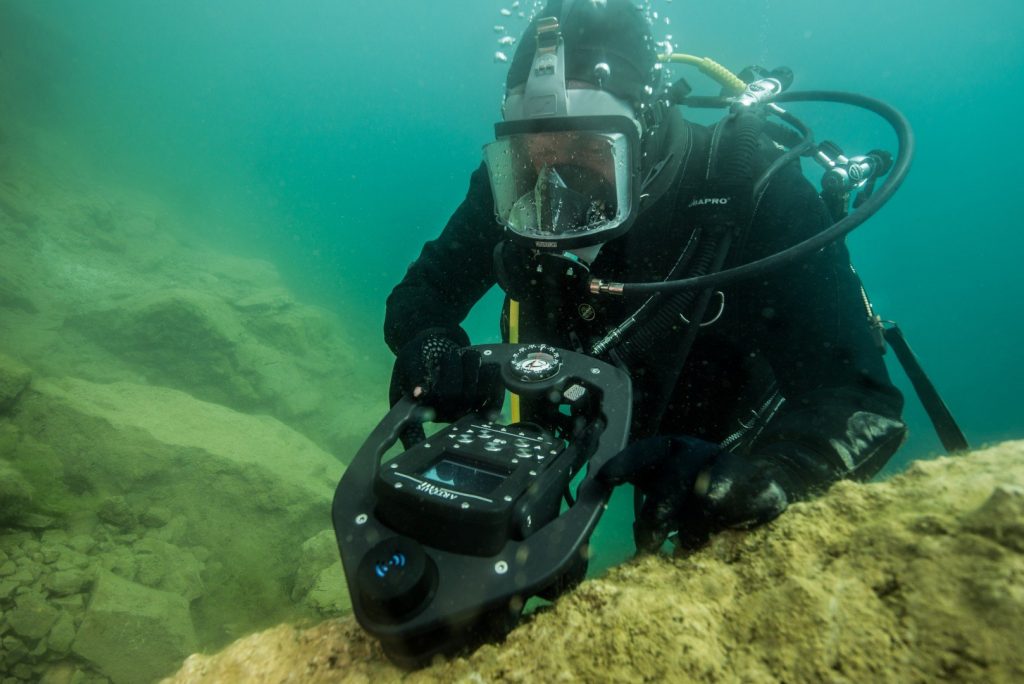
Thus, sonar technology allows for underwater mapping and provides real-time location feedback. Systems using acoustic signals can locate a diver’s position in relation to a given reference point; this is particularly useful in murky water and for underwater construction and research.
Safety and Best Practices
No matter what type of navigation equipment is used, safety should always be a concern. Here are some best practices for underwater navigation:
1. Pre-Dive Planning: Pre-plan your route using a GPS before getting in the water, marking critical points on the surface.
2. Practice Navigation Skills: Regular practice of all the skills with your compass and other navigation tools in a controlled environment will build confidence.
3. Stay Aware of Your Surroundings: Constantly check your position and surroundings during the dive to stay oriented and avoid potential hazards.
4. Buddy System: Always dive with a buddy, who can help in navigation, sharing of responsibilities, and increasing safety.
Underwater navigation gear, such as GPS systems, compasses, and digital aids, is a must for both safe and enjoyable dives. While GPS may not work submerged, its role in planning and marking dive sites is invaluable. A compass still works great for keeping direction underwater, while digital technology enhances the orientation of divers in an aquatic environment. Combining the elements of those tools into diving practices allows divers to navigate confidently, explore the underwater landscape safely, and fully enjoy the adventure in the water.