Greetings, fellow adventure seekers! Today, we are embarking on an exhilarating journey into the depths of technical diving. So, buckle up and get ready to explore the thrills and challenges of this captivating underwater sport!
Picture this: you’re diving into a realm where few have ventured before. Technical diving, my friends, is an awe-inspiring type of diving that takes you beyond the limits of recreational scuba diving. It pushes your boundaries, challenges your skills, and unlocks the mysteries of the deep.
Technical diving involves the use of specialized equipment, enhanced training, and meticulous planning to explore depths that exceed traditional recreational diving limits. But before we dive in deeper, let’s take a quick dive into its history.
The Importance of Proper Training and Certification in Technical Diving
Technical diving is not for the faint of heart. It requires a level of skill and knowledge beyond recreational diving. That’s why proper training and certification are crucial before venturing into the world of technical diving.
Technical diving courses cover essential topics such as gas management, decompression theory, dive planning, and emergency procedures. These courses are designed to equip divers with the necessary skills and knowledge to handle the unique challenges of diving at greater depths.
One of the most recognized technical diving certification agencies is the Technical Diving International (TDI). TDI offers a range of courses, from entry-level programs for divers looking to get their feet wet in technical diving, to advanced courses for experienced divers seeking to push their limits even further.
Getting certified is not just about ticking a box; it’s about ensuring your safety and the safety of your dive buddies. By undergoing proper training and certification, you will gain the confidence and skills needed to tackle the exciting world of technical diving.
Equipment and Gear for Technical Diving
Technical diving requires specialized equipment to handle the increased challenges of diving at greater depths. Here are some essential gear and equipment used in technical diving:
-
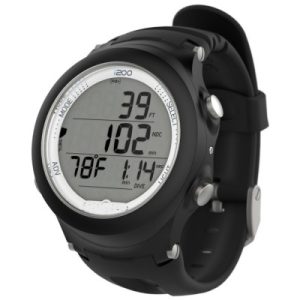
Dive Computers: These advanced devices track important information such as depth, bottom time, and decompression requirements. They provide real-time data to help divers make informed decisions during their dives.
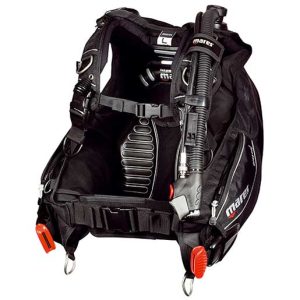
- Buoyancy Control Devices (BCDs): Technical diving often involves carrying additional equipment, such as multiple cylinders and stage bottles. A BCD with sufficient lift capacity and proper weight distribution is crucial to maintain buoyancy control.
-
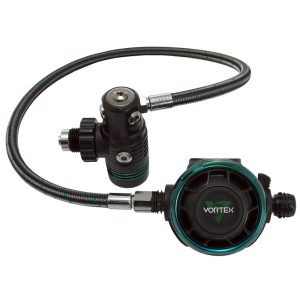
Regulators: Technical diving requires multiple gas mixtures, and regulators need to be equipped to handle these mixtures safely. Divers often use different regulators for different gas mixtures to ensure optimal performance.
-
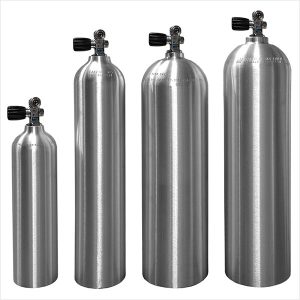
Cylinders: Technical divers often carry multiple cylinders to provide different gas mixtures at different stages of the dive. These cylinders need to be properly labeled, color-coded, and securely attached to the diver.
-
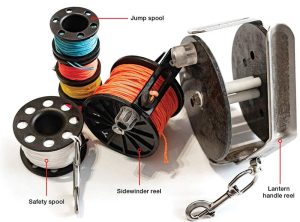
Reels and Spools: These tools are used for deploying guidelines during dives, especially in complex environments. They help divers navigate and maintain orientation while exploring new depths.
Investing in quality equipment and gear is essential for technical diving. Regular maintenance and servicing are also crucial to ensure everything is in proper working order. Remember, your life depends on the reliability of your equipment, so it’s worth the investment.
Dive Planning and Preparation for Technical Dives
Dive planning is a critical aspect of technical diving. Proper preparation and meticulous planning can make all the difference between a successful dive and a potential disaster. Here are some key considerations for dive planning in technical diving:
-
Gas Management: Technical diving involves using different gas mixtures at different depths. Calculating gas requirements, analyzing gas mixtures, and planning for decompression stops are essential for a safe and successful dive. Dive computers and planning software can assist in these calculations.
-
Decompression Planning: Technical dives often require staged decompression stops to allow the body to off-gas safely. Planning these stops, along with gas switches, is crucial to avoid decompression sickness and other related issues.
-
Backup Plans and Emergency Procedures: Technical diving comes with increased risks, and it’s essential to have contingency plans in place. This includes redundant equipment, emergency gas supplies, and well-rehearsed emergency procedures. Familiarize yourself with these procedures and practice them regularly.
-
Environmental Factors: Technical dives can take you to extreme environments, such as deep wrecks or caves. Assessing the environmental conditions, including currents, visibility, and temperature, is crucial for dive planning. Make sure to gather information from local experts or experienced divers.
By investing time and effort into thorough dive planning and preparation, you can minimize risks and enhance safety during technical dives. Remember, proper planning is the key to a successful and enjoyable dive.
Safety Protocols and Procedures in Technical Diving
Safety should always be the top priority in technical diving. Here are some essential safety protocols and procedures that every technical diver should be familiar with:
-
Buddy System: Technical diving should never be done alone. Having a reliable dive buddy is crucial for mutual support and assistance during the dive. Stay close to your buddy and maintain good communication throughout the dive.
-
Pre-Dive Safety Checks: Before entering the water, perform thorough pre-dive safety checks on yourself and your dive buddy. This includes checking equipment, and gas supplies, and verifying that all necessary safety equipment is in place.
-
Gas Monitoring and Management: Constantly monitor your gas supply and depth to ensure you have enough gas for the planned dive and ascent. Make gas switches at the designated depths and follow the planned decompression schedule.
-
Emergency Procedures: Technical diving comes with inherent risks, and it’s crucial to be prepared for emergencies. This includes practicing emergency procedures, such as gas sharing, dealing with equipment failures, and managing out-of-gas situations.
-
Ascent Rates and Decompression Stops: Follow the planned ascent rates and adhere to the designated decompression stops. Ascending too quickly or skipping decompression stops can result in decompression sickness and other serious health issues.
-
Post-Dive Procedures: After the dive, take time to conduct proper post-dive procedures, including debriefing with your dive buddy, logging the dive, and analyzing any incidents or near-misses that occurred during the dive. This will help identify areas for improvement and enhance safety in future dives.
By adhering to these safety protocols and procedures, you can minimize risks and enhance your safety during technical dives. Always remember that safety should never be compromised for the sake of exploration.
Common Challenges and Risks in Technical Diving
Technical diving comes with its own set of challenges and risks. Understanding these challenges and being prepared to tackle them is essential for a safe and successful dive. Here are some common challenges and risks in technical diving:
-
Increased Narcosis: As you dive deeper, the increased pressure can lead to nitrogen narcosis, also known as “raptures of the deep.” This can impair judgment and decision-making abilities, making it crucial to be aware of the signs and symptoms and manage gas mixtures accordingly.
-
Equipment Failure: Technical dives involve complex equipment setups, increasing the risk of equipment failure. Proper maintenance, regular servicing, and redundancy in equipment can help mitigate this risk. Always carry backup equipment when diving at greater depths.
-
Limited Visibility: Deep dives often come with limited visibility due to low light conditions or suspended particles in the water. Navigating and maintaining orientation in such conditions can be challenging. Practice proper buoyancy control and use reels and spools to lay guidelines for navigation.
-
Diving in Extreme Environments: Technical divers often explore wrecks, caves, or deep walls, which can present additional challenges such as tight spaces, complex layouts, and potential entanglement hazards. Proper training and experience are essential before attempting dives in these extreme environments.
-
Decompression Sickness: Failure to follow proper decompression procedures can result in decompression sickness, also known as “the bends.” This can be a life-threatening condition that requires immediate medical attention. Always adhere to the planned decompression stops and ascent rates.
Technical diving requires a level of skill, experience, and preparation beyond recreational diving. By understanding the challenges and risks involved, you can take appropriate measures to mitigate these risks and enjoy the thrill of diving to new depths safely.
Advanced Techniques and Skills in Technical Diving
Technical diving goes beyond the basics of recreational diving. Here are some advanced techniques and skills that can enhance your technical diving experience:
Trim and Buoyancy Control: Maintaining proper trim and buoyancy control is crucial for efficient and streamlined movement underwater. This not only conserves energy but also reduces the risk of entanglement and damage to the environment.
-
Gas Switching and Management: Technical divers often use multiple gas mixtures during a dive. Mastering gas-switching techniques and managing gas supplies is essential for safe and efficient dives. Practice gas switches in controlled environments before attempting them in the open water.
-
Line and Cave Diving: Technical diving often involves exploring underwater caves or complex wrecks. Proper training in line diving and cave diving techniques is essential to navigate these environments safely. Always dive with an experienced guide in unfamiliar cave systems.
-
Stage Bottle Handling: Technical dives often require carrying additional cylinders called stage bottles. Proper handling and management of these cylinders, including gas switches and attaching and detaching them during the dive, is crucial for a smooth and safe dive.
-
Underwater Communication: Communication becomes more challenging in technical diving due to the increased complexity and limited visibility. Mastering underwater communication techniques, such as hand signals and using communication devices, is essential for effective communication with your dive buddy.
These advanced techniques and skills require proper training, practice, and experience. Enroll in advanced technical diving courses and seek guidance from experienced technical divers to enhance your skills and capabilities underwater.
Technical Diving Destinations and Expeditions
Around the world, numerous destinations offer incredible opportunities for technical diving. Here are some of the top destinations and expeditions for technical divers:
-
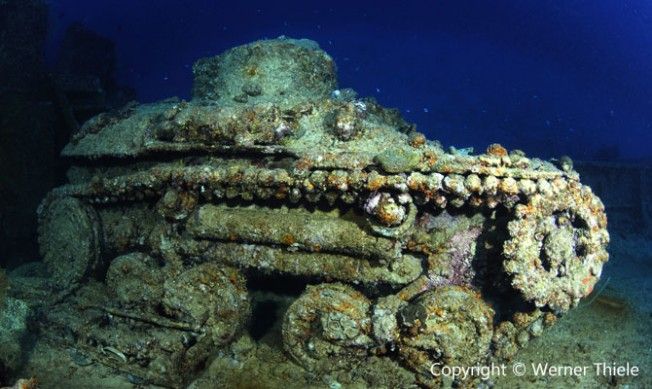
Truk Lagoon, Micronesia: Truk Lagoon is a wreck diver’s paradise, with over 60 shipwrecks resting on the ocean floor. Explore World War II relics and witness history in this captivating underwater museum.
-
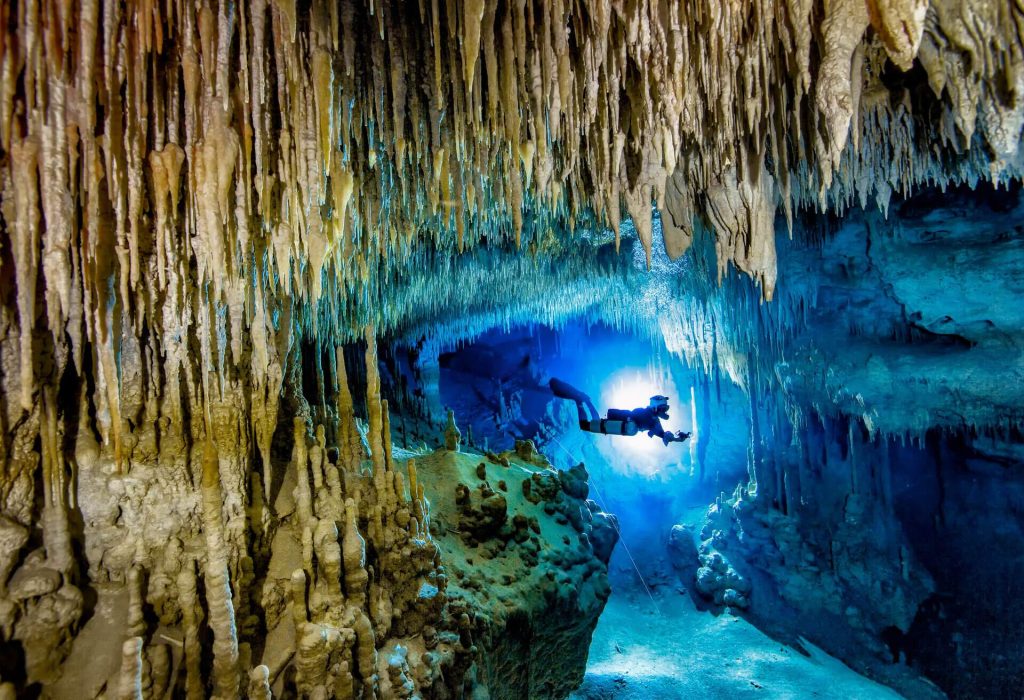
Cenotes, Mexico: The cenotes of Mexico’s Yucatan Peninsula offer breathtaking cave diving experiences. Dive into crystal-clear waters and navigate through stunning limestone formations in these ancient underground rivers.
-
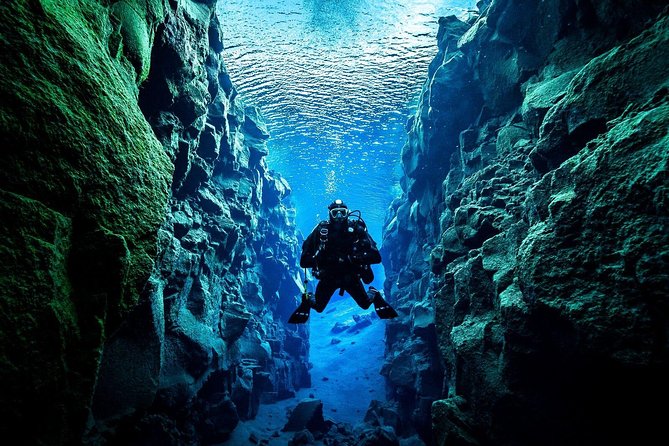
Silfra Fissure, Iceland: Silfra is one of the world’s most unique dive sites, offering an opportunity to dive between the tectonic plates of North America and Eurasia. Experience unmatched visibility and explore the mesmerizing underwater landscapes.
-
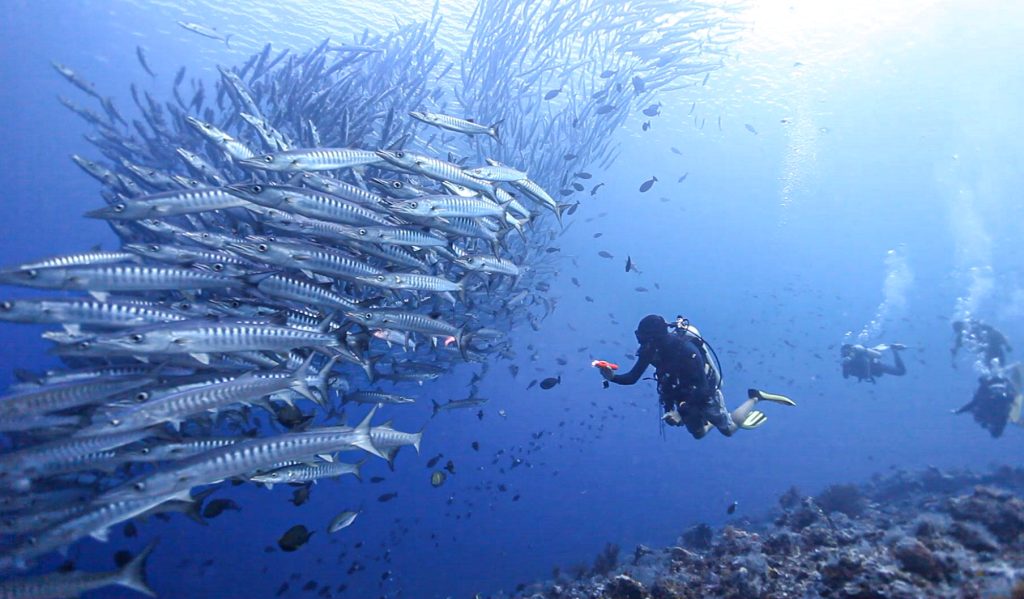
Sipadan, Malaysia: Sipadan is renowned for its rich marine biodiversity and stunning coral reefs. Dive alongside turtles, schools of barracudas, and vibrant coral gardens in this underwater paradise.
-
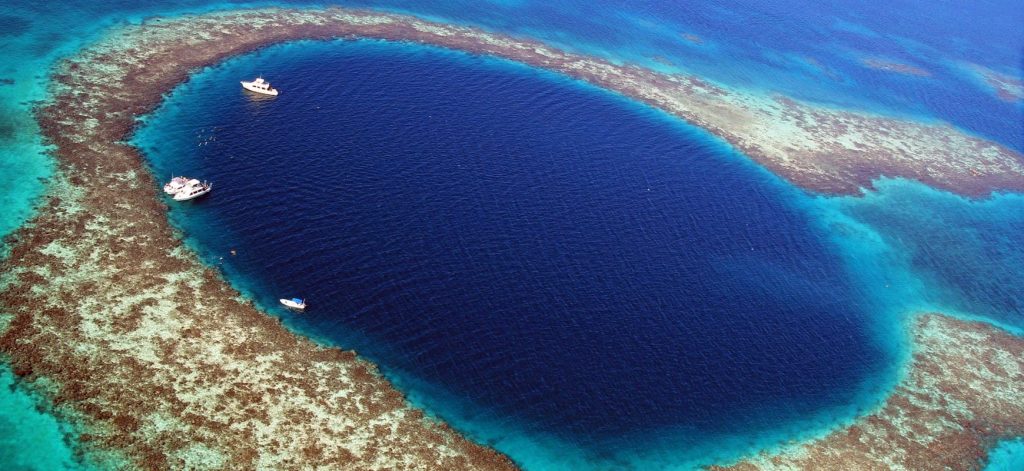
Great Blue Hole, Belize: The Great Blue Hole is a world-famous dive site, known for its stunning vertical walls and vibrant marine life. Descend into the depths and explore this natural wonder of Belize.
These are just a few examples of the many incredible destinations for technical diving. Whether you prefer wrecks, caves, or vibrant reefs, there’s a destination out there waiting to be explored.
The world of technical diving is continuously evolving, with advancements in equipment, training, and exploration techniques. As technology continues to improve, technical divers will have even greater opportunities to explore the depths of our oceans.
However, with these advancements comes the responsibility to ensure the preservation and protection of our delicate underwater ecosystems. Technical divers must prioritize ethical diving practices, proper training, and conservation efforts to minimize their impact on the environment.
So, if you’re ready to unlock the secrets of technical diving, remember to prioritize safety, invest in proper training, and explore the underwater world with a sense of wonder and respect. Dive deeper, dive safer, and embrace the incredible adventures that await you in the depths. Happy diving!