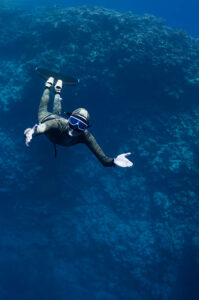
The glamorous world that exists under the surface of our planet’s oceans draws in adventurers and outdoor enthusiasts. Divers all around the world have been captivated by the many underwater exploration techniques, including scuba diving and Rebreather diving. The more we talk about these two methods, the more it becomes clear that they both have unique advantages and considerations.
1. Breathing Technique:
-
Open-Circuit System: The breathing system that is used in scuba diving. Divers use a regulator to inhale compressed air or specialty gas mixes from a tank they carry. Bubbles are released into the water by exhaled air.
-
Closed-Circuit System: This is utilized in rebreather diving. After passing through a scrubber to remove carbon dioxide, the exhaled air is refilled with oxygen. The breathing gasses may be used more actually thanks to this closed-circuit technique.
2. Dive Time and Gas Efficacy:
Scuba Diving:
-
Limited Dive Time: The amount of air available to scuba divers is limited, which affects how long they can dive for. Divers need to come back to the surface to restock on air when the tank gets smaller.
- Gas Consumption: The depth and duration of dives are restricted because of the greater gas consumption rate caused by the open-circuit system.
Rebreather Diving:
-
Longer Dive periods: Diving with a rebreather permits much longer dive periods. Deep dives and prolonged underwater investigations are made possible by breathing gas recycling, which allows divers to stay underwater for longer periods of time.
- Gas Efficiency: Because the closed-circuit system uses less gas, there is less need for frequent ascents, which has a less negative environmental impact.
3. Noise and Stealth:
The noise made while diving might influence how you interact with the maritime creatures and how the dive goes in general.
Scuba diving:
- Bubbles: When air is released into the water during scuba diving, bubbles are made. These bubbles’ loudness may upset aquatic animals, making it more difficult for the diver to approach quietly.
Rebreather Diving:
- Rebreather diving is a quiet sport since no bubbles leak into the water during the process. By adopting this quiet procedure, divers may go closer to maritime life and follow its normal habits without disturbing it.
4. Training and Accessibility:
Scuba diving:
- Certification classes are open at many dive centers worldwide, making scuba diving more greatly accessible.
Rebreather Diving:
- Because of the intricacy of the closed-circuit system, rebreather diving needs more specialized training. For the purpose of ensuring their safety and gear proficiency, divers must complete additional training.
The decision between scuba diving and rebreather diving in the wide world of underwater exploration depends on personal tastes, objectives, and the desired degree of immersion. Although scuba diving is still a popular and generally available option, rebreather diving is superior because of its silent operation, longer dive periods, and gas economy. Divers who want to uncover the mysteries of the ocean must be aware of the differences between these two techniques in order to make a knowledgeable decision that suits their purposes for diving.