One of the most common issues that face scuba divers while being underwater is a forging mask. A fogging mask can distract and hinder your ability to see clearly and enjoy the underwater scenery. However, there are several effective methods to defog your scuba diving mask and ensure a clear vision while diving.
Fogging usually occurs when warm air from your breath comes into contact with the cool surface of the lens of your mask, then condensation occurs. To prevent this, it is crucial to properly prepare your scuba diving mask before each dive.
In our article, you will know about the three methods to defog your scuba diving mask: keep reading to ensure a clear underwater view and enjoy a more enjoyable diving experience.
3 Method to Defog Your Scuba Diving Mask
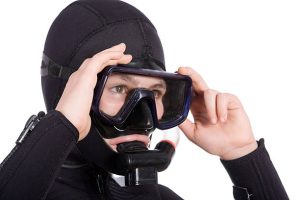
You should continuously treat your mask with a defogging agent before going to diving or snorkeling after its treatment with a defogging agent, too, this is an indication that there are some residue lift from the manufacturing process or you didn’t clean your mask properly after your last dive. If so, you should repeat the cleaning process that we described later.
Regardless of the brand of the defogging agent, You can defog your scuba diving mask by only three ways, including:
- By pitting_ some divers find this way very disgusting, but it really works. Saliva can be good in addition to being easy and cheap.
- Using a baby shampoo_ when you end your dive and your mask become dry, put the baby shampoo inside of the mask lens and then store it till your next dive. Before diving just give it a quick rinse.
- Using commercial defog agents_ coat the lens of your mask with a defog isn’t such as, McNett Sea Drops and McNett Sea Gold.
After cleaning your mask, ensure that the lens is very clean to not allow the fog to form. It’s also important to clean the outside of the Mask lens not for preventing the fogging but to be able to see better.
Spitting
While you think that we should be trying to sell you a commercial product, our recommended antifug to defog your scuba diving mask perfectly is spitting. Spit on the inside lens of the Mask and drop it around with a finger, then dunk your mask in either fresh or seawater for a while. The goal of this is leaving a layee of saliva on the lens. This way won’t work if your mask dried out before diving, so, it’s better to use this technique immediately before delving into your dive.
Caution:
Don’t spit in your diving mask and rinse it in the rinse bucket of the dive boat because if you do that you encourage spreading viruses.
The rinse bucket should be only used by those who use commercial defogging agents or any prefered defog solutions, as it will take only a sick person spitting on a mask and dunking it in the rinse bucket to pollute it.
You must avoid this by rinsing your diving mask in sea water or fresh water from a shower hose. If you haven’t the previous two options, use a bottle of water as a last resort.
Baby Shampoo
Baby shampoo is considered another predive solution that is used like commercial defogging solutions. You will notice that many divers carry a bottle of baby shampoo that is watered down by 50/50 and keep it with their dive gear.
After you end your dive, rub a few door drops from your baby shampoo into the lens of your mask and before you go to your next dive, rinse it out to keep your mask away from fogging.
It’s important to put the baby shampoo into the inside of the Mask lens when dry before storing it. Baby shampoo is more preferred than standard shampoo because it’s generally hypoallergenic, biodegradable and less irritating to eyes in addition to the good smelling.
Commercial Defog Products
You can use many surfactants such as McNett Sea Drops and McNett Sea Gold. Both two types work well but require different methods of application so, it’s a matter of personal preference.
- Most scuba divers prefer the cleaning spray because it’s a quick and easy approach. Generously spray the inside of the lens of your mask, then rub and rinse the lens well to remove it. If the lens isn’t squeaky clean, repeat the method and rub it a bit harder.
- The liquid drops are considered a concentrated version of the cleaning spray type, at first wet the lens, then add a drop in each one. Finally, rub and rinse to completely remove it.
- The gel is another option. Apply a thin coating to the inside of the lens of your mask, but remember that more won’t be better, then rinse it smoothly, but don’t completely rub away the gel because a light coating of it is recommended.
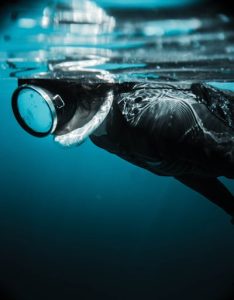
If you still have problems related to fogging, try to exhale through your mouth only, because if you breathe out through your nose, warm moist air comes into contact with the cold lens of your mask and results in fogging. Some scuba divers find exhaling through their nose difficult because we are primarily nose breathers and almost all of them suffer from fogging.
How to Store Your Scuba Diving Mask
- Your scuba diving mask in a dry Cool and protected place.
- The place of storing should be away from direct sunlight.
- Store it separated from your other scuba diving equipment because the black pigmentation of other diving equipment can discolor the clear silicone skirt of the Mask.