A more sophisticated kind of scuba diving called technical diving calls for specific gear and instruction. A buoyancy control device (BCD) that is very customizable, durable, and gives exceptional performance is the Wing and Harness System, which is an indispensable piece of equipment for technical divers. The elements of Wing and Harness Systems for technical diving are examined in this article along with their advantages and important factors.
The Wing
The purpose of the wing is to produce buoyancy. It is essentially an air cell or bladder. It is usually placed between the diver’s back and their tanks and fashioned like a doughnut or horseshoe. To assist the diver in maintaining neutral buoyancy and appropriate trim underwater, the wing inflates and deflates.
Wing Types:
- Single-Tank Wings: These wings have a lift capability of 20–40 pounds and are intended to be used with a single tank. For easier technical dives or recreational technical diving, they are perfect.
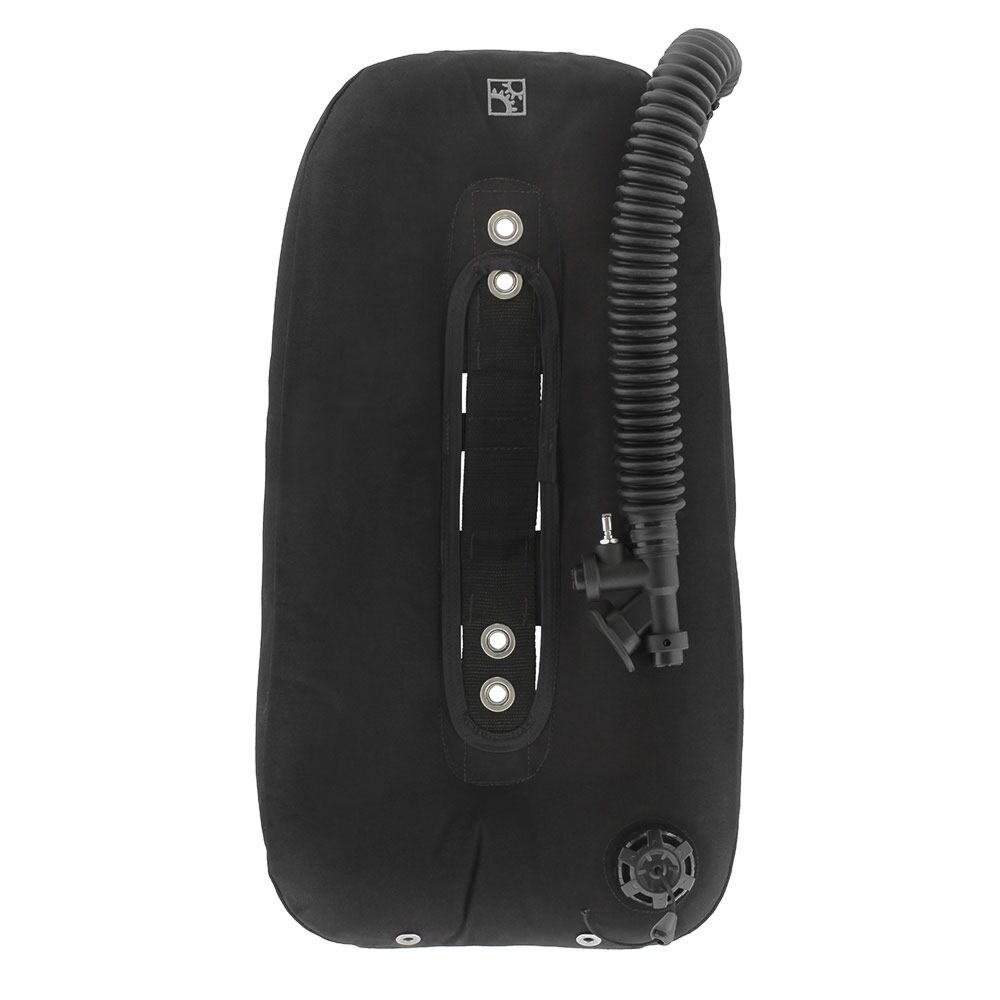
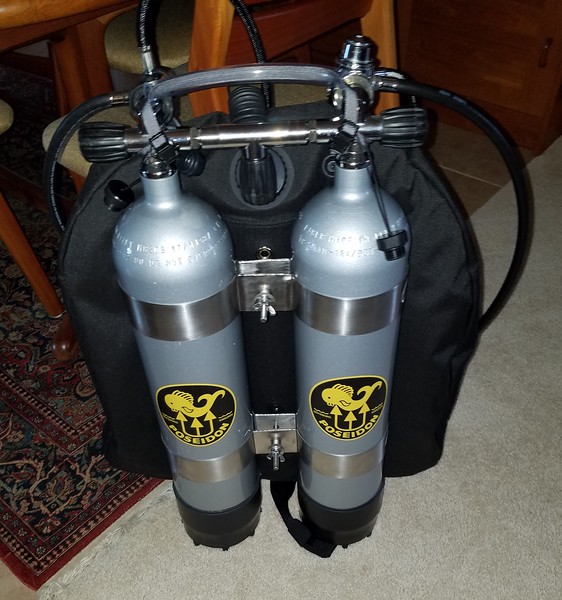
- Twin-tank Wings: Often capable of lifting up to 60 pounds or more, these wings are made specifically for use with twin tanks. For deeper dives or dives needing numerous gas cylinders, they are indispensable.
Gains:
- Streamlined Profile: The horizontal dive attitude encouraged by the wing’s shape lowers drag and increases efficiency.
- Versatility: Divers are able to alter their arrangement for every dive by simply exchanging their wings to accommodate varying circumstances.
The Harness
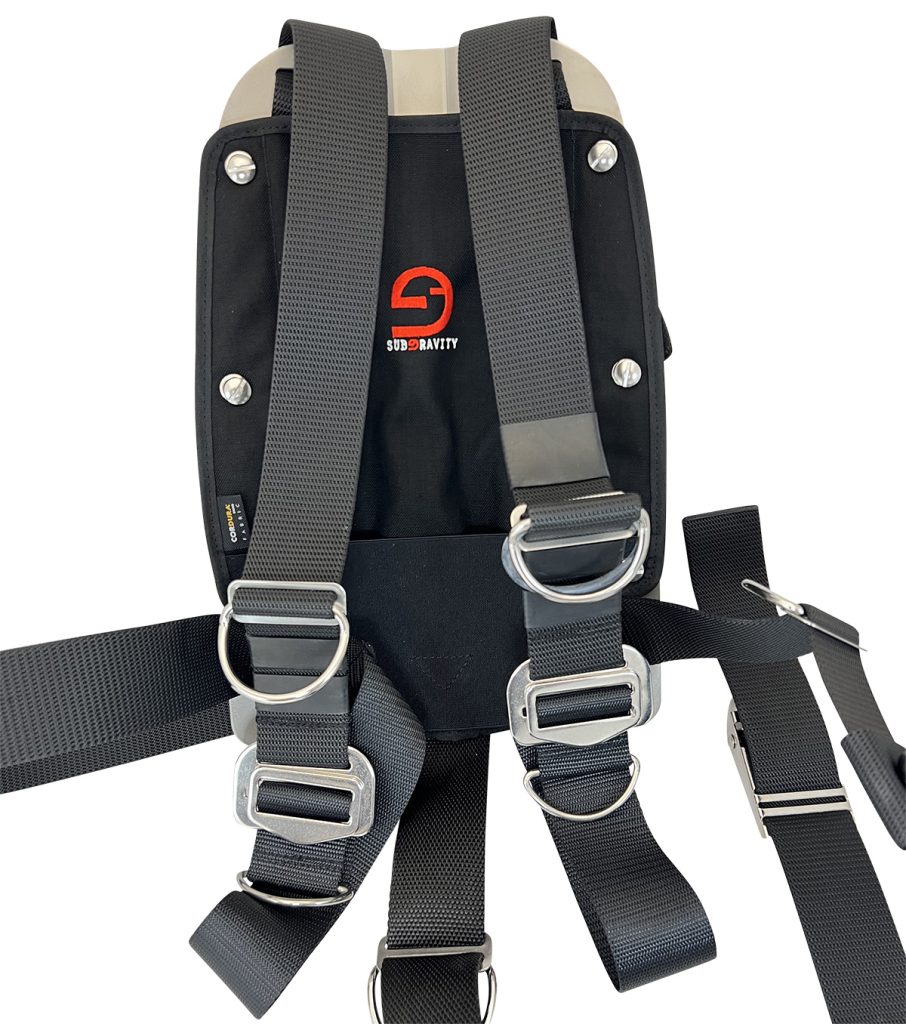
Design and Function: The wing is fastened to the diver’s body using a webbing system called a harness. Typically, it has a backplate composed of composite or metal with a number of webbing straps. By uniformly distributing the weight of the diving equipment across the diver’s body, the harness improves stability and comfort.
Categories of Harnesses:
- Continuous Webbing Harness: This harness, which is frequently utilized in DIR (Doing It Right) setups, is made out of a single webbing piece that is threaded through the backplate. It is renowned for being robust and easy to use.
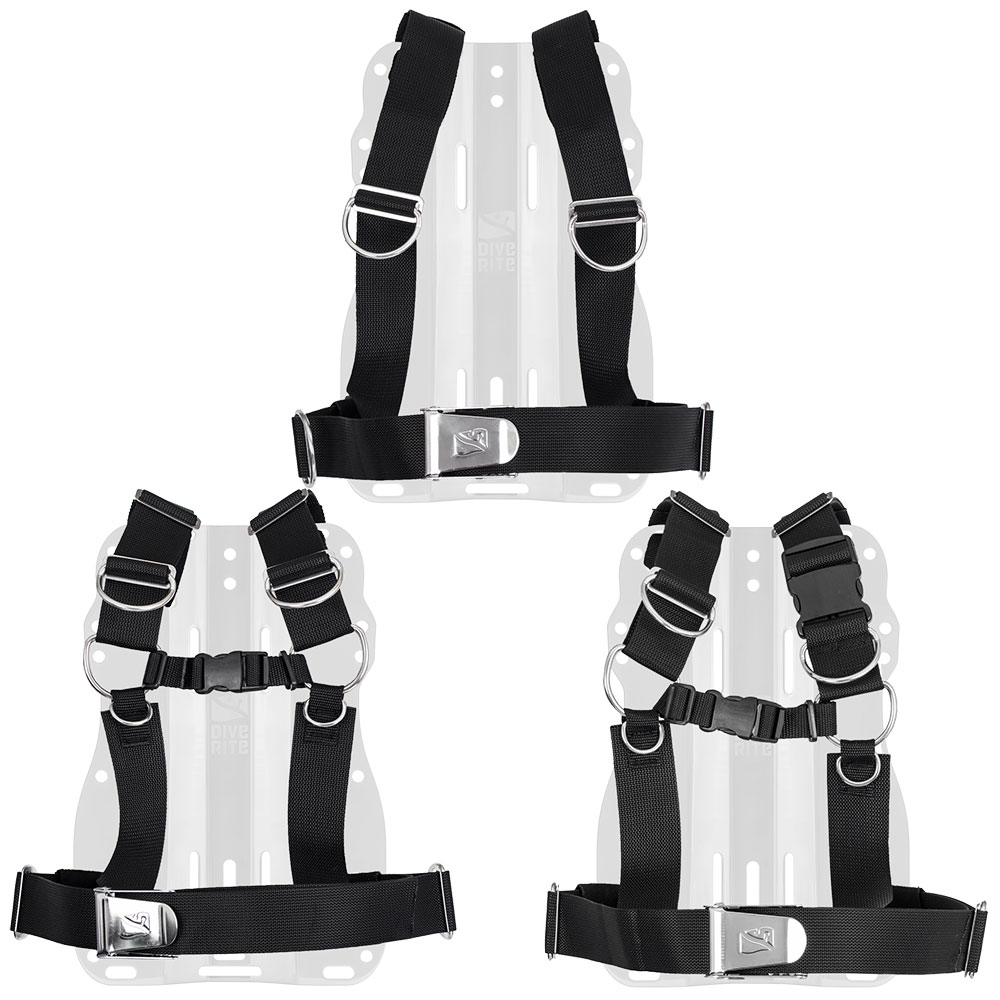
- Easy donning and doffing are made possible by the adjustable straps and quick-release buckles of the adjustable harness. While it offers a more adjustable fit than a continuous webbing harness, it could also have more sites of failure.
Advantages:
- Custom Fit: Divers may ensure comfort and security by customizing the harness to fit their bodies exactly.
- Durability: Harnesses are constructed to endure the demanding conditions of technical diving, using materials with exceptional strength.
- Versatility: Provides many D-ring, weight system, and utility pocket connection points.
Combination System: The Harness and Wing
The wing and harness work together to form a very flexible BCD that is ideal for tricky diving. This method has a number of benefits over conventional jacket-style BCDs, including:
1. Improved Buoyancy Control: Precise buoyancy changes are made possible by the distinct wing design, which is essential for preserving stability and correct trim during challenging dives.
2. Streamlined Profile: The design makes it simpler to travel through the water by placing the bladder behind the diver, which lowers drag.
3. Modularity: Divers may interchange parts to accommodate various diving conditions, such as changing the harness arrangement or wings for a greater lift capacity.
4. Sturdiness and Dependability: The harness and wing are made of sturdy materials that can withstand the demanding circumstances of technical diving.
Important Factors to Consider When Selecting a Wing and Harness System

1. Diving Environment: Take into account the kind of diving you intend to perform. For instance, a larger lift capacity will be required for dives that are deeper or that need more than one gas cylinder.
2. Compatibility: Verify that the harness and wing work well together as well as with any other equipment you may be using.
3. Fit and Comfort: To provide a snug and comfortable fit, the harness should be able to be adjusted.
4. Experience and instruction: To operate a Wing and Harness System efficiently, one must have the appropriate instruction. Before trying tricky dives, be sure you understand how everything is set up and operates.
For technical diving, Wing and Harness Systems are the industry standard because they provide unmatched buoyancy control, versatility, and longevity. Divers may improve their underwater experiences and make well-informed decisions by being aware of the features and advantages of these systems. Investing in a Wing and Harness System will provide you with the tools you need for safe and effective diving in difficult settings, regardless of whether you are an experienced technical diver or trying to improve your diving abilities. Happy and safe diving!