When emergencies strike, every second counts—and knowing what to do can make all the difference.
Whether it’s performing CPR, managing bleeding, or recognizing when advanced help is needed, Emergency First Response (EFR) Primary and Secondary Care equips everyday people with life‑saving skills. Still, many learners and caregivers have questions.
This guide to Emergency First Response Primary and Secondary Care FAQs brings clarity to those questions, breaking down essential concepts into simple, practical answers. In critical moments, knowledge isn’t just power, it’s protection.
What Will You Learn in the Emergency First Response Primary and Secondary Care?
- How to correctly handle different illnesses and injuries.
- Helping a choking victim.
- How to deal with an individual with a possible spinal injury in a proper way.
- Applying bandages and splints.
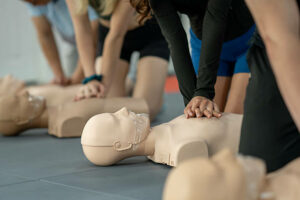
Is Getting CPR Certified Online Legit?
Yes, Online CPR certification is valid if you complete it through an accredited provider. In the American Heart Association (AHA), American Red Cross, or any other nationally recognized bodies, you can find online or blended CPR certification courses that meet professional standards.
Blended learning is a mixture of online instruction and a required in-person skills test to guarantee proper hands-on training. Fully online-only CPR courses offer basic knowledge, but many employers, especially in education, healthcare and fitness industries, need certifications including in-person evaluation.
Ensure your online CPR training is accepted by the authority that matters. When you choose a provider, ensure to be nationally recognized certification, that is alignment with OSHA or AHA guidelines, and whether the course includes practical skill demonstrations.
It is also important to ensure that the course meets your needs, especially if you need this certification in professional or workplace compliance.
What are the Basics of First Aid?
The basics of first aid involve providing immediate, temporary care to an injured or ill victim until arriving of the professional support. The beginning of the frst aid is ensuring scene safety, then assessing the condition of the victim by the “ABCs” – Airway, Breathing, and Circulation.
Common skills of the first aid including treating burns, controlling bleeding, managing choking, performing CPR, and correctly respond to allergic reactions or shock. It’s also essential to learn how to deal with sprains, fractures, and heat- or cold-related emergencies.
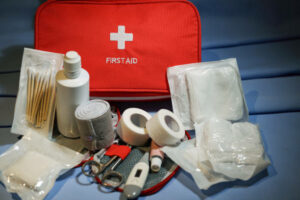
Stay calm while communicating with emergency services promptly in addition to the effective use of first aid kit is considered a vital part of first aid. These basic skills help in stabilizing you while preventinv the situation from worsening, and promoting recovery until medical professionals arrives.
With this basic first aid knowledge, you can help in saving lives as well as reduce the severity of injuries in case of accidents or emergencies.
How Long Do Most CPR Classes Take?
You can complete most CPR classes in 2 to 4 hours, depending on the type of the course and whether additional first aid or AED (automated external defibrillator) training is included or not.
A basic adult CPR class may take 2 hours. On the other hands, more comprehensive courses, like those which covers infant, child, and adult CPR, plus first aid and AED may take from 4 to 6 hours.
Blended learning options offer the possibility of completing the classroom portion online at their own pace, along with shorter in-person skills check that usually lasts to around 1 to 2 hours.
Certification usually lasts two years and may need renewal. It’s essential to choose a class that meets your needs (either for personal knowledge, professional licensing, or workplace compliance) and also choosing a certified instructor through a recognized organization.
What are the 5 Rules of First Aid?
The five basic rules of first aid offer a structured approach to help victims in emergencies, including:
1. Assessing the Situation – Ensure safety for both you and the victim before giving aid.
2. Calling for Help – communicate with emergency services (such as 911) as immediately as possible.
3. Providing Immediate Care – you need first to address life-threatening issues that include breathing difficulties, blocked airways, and severe bleeding.
4. Keeping Calm and Reassuring – You should keep yourself and the injured person calm and explain the needed actions to reduce panic.
5. Avoiding Further Harm – Avoid unnecessary movement and only perform procedures that you are trained on in order to prevent worsening the situation.
By following these steps, you guarantee that first aid is delivered effectively and responsibly until the arrival of the professional medical responders.
What is in a First Aid Class?
A first aid class covers all the needed essential skills and knowledge to respond to common medical emergencies.
Topics usually include CPR for adults, children, and infants, the proper using of an AED, how to treat scrapes, cuts, and burns, handling bleeding, shock, and choking incidents; and recognizing the serious conditions’ signs, like strokes, heart attacks, and allergic reactions.
Classes usually include training on assessing a scene for safety, how to approach and communicate with an injured person, and prioritizing care by using the “primary survey” (ABCs: Airway, Breathing, Circulation).
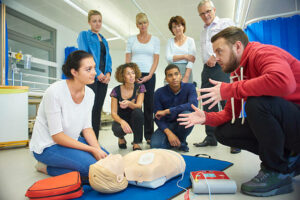
You will also learn from the instructors how to respond to injuries from cold, heat, falls, or poisoning. It is a common thing in certified courses to perform Hands-on practice with mannequins and first aid equipment. After completing the course, participants often receive a certification card that may last for 2–3 years, depending on which organization you will choose.
Where Can I Complete the EFR Course?
All PADI dive centers can teach you EFR (Electronic and Secondary) courses. You can also complete the online part of this course through eLearning for EFR .
In some centers, you can find additional training up to a level that includes EFR instructor courses. Use an EFR course locator to find a local EFR instructor.
What Are You Waiting For?
Gain the skills to save lives and dive with confidence. Enroll today in the Emergency First Response course at DRAR DIVING Center!