SCUBA diving for the first time is an unforgettable experience. It is a skill that needs to be constantly refined, and that is why new divers will often have many questions.
These ten common questions new divers ask can help anyone who is interested in SCUBA diving.
Common Question New Scuba Divers Ask

Our list of the common question new scuba divers ask include the following questions:
- What are the basics of diving?
- What is the main safety rule for diving?
- What is ABCD in diving?
- What not to do before diving?
- How deep do beginner divers go?
- Will I need to buy all of my own dive equipment?
- How do divers deal with seasickness?
- How do divers interact with dangerous marine life like sharks?
- Can I still dive if I’m out of shape?
- What injuries are associated with diving?
What are the Basics of Diving?
As a new scuba diver, you’ll need to learn basic scuba diving skills and master them, these skills include:
- How to properly equalize pressure in your ears underwater.
- The best way to clear your scuba mask.
- How to reach neutral buoyancy and maintain it.
- Learning hand signals to be able to communicate with your dive instructor or other divers in your group to stay safe.
What is the Main Safety Rule for Diving?
Never hold your breath
This Rule is undoubtedly considered the most important of all scuba diving safety rules because failure to adhere could lead to death. If you hold your breath while being at high depth underwater, the fluctuating pressure of air in your lungs can rupture the walls of them causing death.
What is ABCD in Diving?
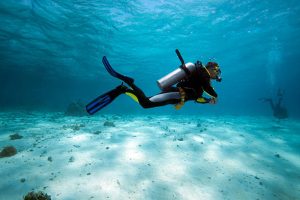
The foundational ABCDs of technical scuba diving, which are vital on each dive,are:
- Awareness.
- Buoyancy control.
- Communications.
- Discipline .
What Not to Do Before Diving?
Check your scuba diving equipment to ensure it works properly. Use the right items in the gear list that can handle the dive you have planned. Never drink alcohol or take drugs before scuba diving. Ask your doctor about the medicines that are considered safe to use when diving.
How Deep Do Beginner Divers Go?
According to the PADI Organization, if you have an Open Water Certification and you aged over 12 years old, your limit is 18 meters/60 feet deep.
Will I Need to Buy All of My Own Scuba Equipment?
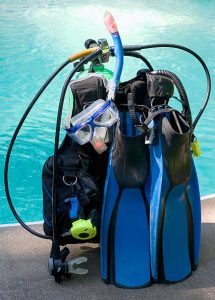
While it is better for scuba divers to own their own scuba diving equipment, it isn’t considered imperative. You can find reputable dive centers worldwide that can rent out SCUBA diving equipment. And for the reason that rental dive gear is used more often than personal one, scuba divers will need to conduct a thorough equipment check before starting their adventure underwater.
How Can Divers Deal with Seasickness?
There are medications a diver can take to reduce the effects of seasickness. In addition to that, a diver can sit in the middle to the back of the dive boat while staring into the horizon as an act to reduce seasickness. There are other common remedies, such as, eating ginger as well as peppermint candies. Once the diver is in the water, he can also stare at the bottom of the ocean to combat seasickness.
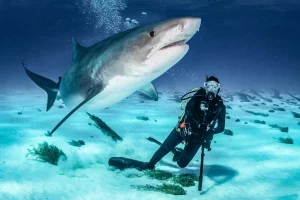
How Should Divers Interact with Dangerous Marine Creatures Like Sharks?
As a scuba diver, you should only observe the marine environment around you instead of touching, grabbing, or any other types of interacting with the environment. Shark sightings are considered quite rare and only occur regularly in certain dive spots worldwide.
Be aware that sharks and most other marine creatures are often scared away by divers. And always remember that the animal will only attack when it feels severely threatened.
Can I Still Dive If I’m Out of Shape?
Diving is an activity that you can enjoy practicing regardless of your physical condition, but getting into such a sport can help some individuals to lose weight and become more physically fit. Being fit has some benefits as a diver, such as reducing your air consumption and enjoying longer dive times
What Injuries are Associated with Diving?
Scuba Diving, like any other sport, involves some risk. However, the most common conditions that are associated with diving are dehydration and sunburns, and fortunately you can prevent both of which easily.
While you learn about decompression sickness (DCS) during your scuba certification courses, decompression sickness can rarely occur among scuba divers thanks to the safety procedures that are conducted while scuba diving.