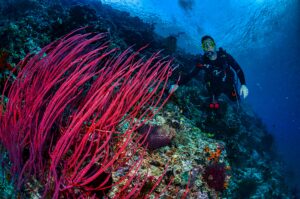
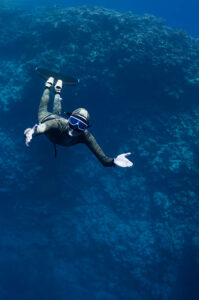
Wetsuits have transformed water sports, as they provide essential insulation in cold waters. protect us from wind and UV rays, extend our aquatic adventures. Whether for surfers, divers, or sailors, choosing the right wetsuit with the proper thickness is crucial for both comfort and performance.
In this article, we will explore to you about eight different types of wetsuits to help you choose the perfect one that serves your specific purpose.
Wetsuits: The Essential Gear for Water Enthusiasts

The wetsuit is considered a recent invention. Its main purpose is to extend the time divers or surfers can spend in cold and cool water temperatures. Quality wetsuits are made of flexible and comfortable neoprene, providing protection from wind and UV rays. However, they require regular maintenance.
Wetsuits differ from drysuits. Wetsuits are popular among surfers in non-tropical regions and are the first choice for divers, military personnel, sailors, and many others of water sports enthusiasts.
The thickness of wetsuits for surfers usually range from 2mm to 7mm in thickness. The amount of neoprene protection you need depends on the average water temperatures at your local surf break.
However, thickness is not the only thing to consider when choosing between different types of wetsuits, as the shape also matters. This is the reason why wetsuits are typically categorized into spring/summer models and fall/winter models.
This allows surfers to keep their torso warm and choose different styles for their legs and arms based on what they need. For instance, in sunny and warm weather with cold water, a springsuit may be a suitable choice. If you’re comfortable in cool waters, a short-arm steamer will be sufficient.
The Common Different Types of Wetsuits
The most common types of wetsuits were designed for both men and women and players of all ages. They include the following:
The Hooded Full Wetsuit
The hooded fullsuit offers top-notch neoprene protection for cold water surfers and scuba divers. Since 40 to 45 percent of body heat is lost through the head, this design keeps your brain and ears warmer in the harshest air and water temperatures.

The Full Wetsuit
The fullsuit offers complete coverage for your torso, legs, and arms. It’s one of the most popular types of wetsuits that is used in cold and cool water environments. Its usual thickness range is from 3/2mm to 5/4mm.
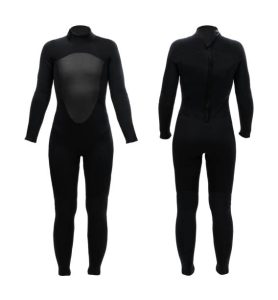
The Long John/Jane Wetsuit
The long john/jane wetsuit is a unique sleeveless neoprene wetsuit that leaves your arms exposed and in contact with the water, allowing for improved paddling.
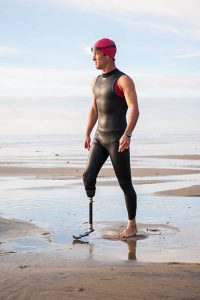
The Spring Wetsuit
The springsuit is a classic type of wetsuit that has short legs. It is used by surfers in temperate climates during spring and summer when the water isn’t cold, but they still need their second skin for protection.

The Short Arm Steamer Wetsuit
The short arm steamer is a popular sleeveless and legless wetsuit for surfers who need neoprene protection in warm waters.
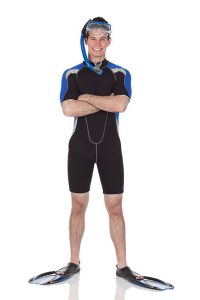
The Short John/Jane Wetsuit
The short john/jane wetsuit is one of the most basic types of wetsuits that you can find in the market. It mainly provides protection for your upper body, and is mostly sold in 2mm thickness models.

The Wetsuit Jacket
The wetsuit jacket offers protection for both your torso and arms. It features a front zipper and is suitable for warm, windy conditions.
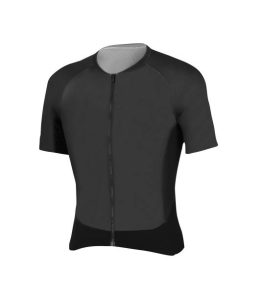
The Wetsuit Vest
The wetsuit vest is a basic type of wetsuit that provides a shield for your upper body. It is considered suitable only for warm environments. It prevents rashes and UV exposure but won’t provide sufficientw armth in colder waters.