Most types of fish face problems related to too much fishing and changing weather, but a few strange ones are finding ways to live in dirty water.
These changes and adaptations may appear to be miraculous, but they are considered a warning for the future of ocean life and how we are treating the world’s ecosystem. Let’s learn today more about three strange fish evolved by contamination.
3 Strange Fish Evolved by Contamination
In waters clouded by pollution where most sea life struggles to survive, a few unusual fish have found surprising ways to adapt. These types include:
- New Bedford Killifish.
- Tomcod.
- Gulf of Mexico Shrimp.
New Bedford Killifish
General Electric dumping toxins into the Hudson river became national news in part due to one very small fish, the killifish. The researchers were shocked because when they originally tested this fish with lethal amounts of mercury, they found that they were not only surviving, but thriving.
They have been tested with a number of both banned and legal chemicals known to cause severe deformities, but the organs of the killifish were able to filter the toxins while its natural predators slowly began to die off.
Tomcod
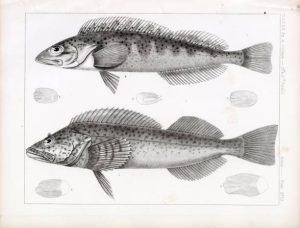
The tomcod is much similar to the killifish. You can find it slightly farther down the Hudson River, close to where it meets Hudson Bay. Pollution started in 1976, which killed large numbers of fish because of mercury and other harmful chemicals.
What’s amazing about this odd fish is that it passed its toxin-resistant genes to its spawn. Currently, Around 90% of tomcods are estimated to carry a gene that protects them from these toxins.
Gulf of Mexico Shrimp
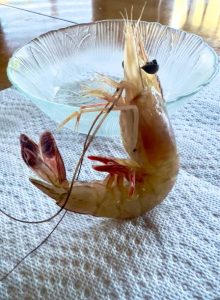
Gulf of Mexico shrimp isn’t really a fish, but it is considered a newer example of adaptation linked to the BP oil spill disaster. Billions of gallons of oil spilled into the ocean harmed many sea creatures, which in turn caused a huge impact on marine life.
Deep sea shrimp was one of the species which succeeded to survive in these waters although a high percentage of the population went blind. The huge schools of shrimp now have small sores on their bodies, making them almost impossible to eat for people and other predators alike.
The change wasn’t planned and it caused problems, but it helped the blind shrimp stay alive after the disaster and its effects..