Sharks are considered the top predators in the ocean, but they still have natural enemies. In this comprehensive article, we will explore together the different sets of predators that prey on sharks. Look at each predator’s traits and how sharks help maintain the balance of marine ecosystems.
The Apex Predators: Sharks in the Food Chain
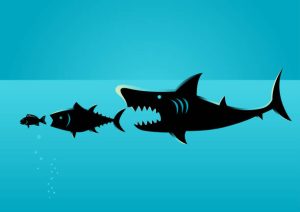
These apex predators play a vital role to maintain the health of marine ecosystems. They help in regulating smaller marine populations and keep the food web stable.
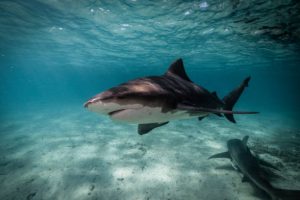
While sharks have their dominant position in the food chain, they also face threats. From powerful marine mammals such as dolphins and orcas to opportunistic reptiles such as crocodiles, even a variety of predators can face dangers from other large shark species, such as the great white shark which is also known as the white pointer.
Shark Predators: The Unexpected Challengers
Each shark species has their own predators depending on the size, and habitat. The shark predators include the following:
- Killer whales.
- Crocodiles.
- Larger shark species.
- Sperm Whales.
- Parasites and Disease.
- Human Impact.
Killer Whales: Apex predators Attacking Sharks
Killer whales, which are also called orcas, are considered one of the most skilled and powerful predators in the deep blue. They are also considered deadly carnivorous shark hunters, including preying on juvenile sharks and white sharks. By the help of their intelligence and strategic hunting techniques, orcas isolate and incapacitate sharks before consuming them.
Killer whales and great white sharks are excellent examples of apex predator interactions. Despite their reputation as ocean rulers, great whites have been hunted and defeated by killer whales around the world.
Off the coast of California is one of the unique examples, in which orcas hunt great whites for their energy-rich livers. Killer whales use their strength and speed to ram great whites from below, leading to internal damage.
This tactic, in addition to the ability to flip the shark onto its back and trigger tonic immobility, enables killer whales to eat great white sharks, demonstrating the incredible adaptability and prowess of these mammals in their marine environment.
Crocodiles
Crocodiles are also regarded as an unexpected predator of sharks. Encounters between crocodiles and sharks are rare, but can occur in places in which both inhabit the same coastal waters.
Crocodiles living in saltwater tend to attack and consume smaller shark species like young bull sharks, who live in shallow waters, with their powerful jaws and stealthy hunting techniques to beat their prey.
Larger Shark Species
Intra-species predation is considered a common phenomenon among sharks. Larger sharks, like the great white shark and the tiger shark, feed on smaller or younger sharks, even those in the same species.
This is considered a cannibalistic behavior that is driven by the sense of competition for food and territory, besides the need for the larger sharks in order to stay on top in their respective ecosystems.
Sperm Whales
Sperm whales, which have deep-diving capabilities in addition to their massive size, are considered another predator of sharks.
These marine creatures are highly intelligent marine mammals mainly prey on large quantities of squid, but they can also eat various shark species, especially in areas in which there are low squid populations.
With their powerful jaws as well as sharp teeth, sperm whales can capture and feed on sharks, Preying on small species as well as young members of larger ones. As opportunistic feeders, sperm whales play a vital role in controlling shark populations in particular ecosystems, which in turn contribute in having a complex balance in the food web of the ocean.

Parasites and Disease (Silent Threats to Sharks)
In addition to larger predators, parasites and diseases can weaken and even kill sharks. Although these threats don’t have a direct effect on sharks as prey, They can seriously harm their health and chances of survival.
These common parasites include tapeworms, copepods, and leeches. These parasites stick to sharks and drain their energy. In some cases, heavy infestations can cause the death of the host (shark).
Diseases like viral pathogens and bacterial infections also have some significant threats to sharks. For instance, the fungal disease, which is also called “red spot disease” in any shark species can result in skin lesions and even death.
Human Impact (The Real Danger to Sharks)
Besides what we have mentioned above, we can say that the most shark predators are human activities. habitat destruction, Overfishing, and climate change have a bad effect on shark populations around the world.
Shark finning, where sharks lose their fins and get thrown back into the ocean, has greatly reduced their numbers. This practice doesn’t have a negative effect on sharks, but also on the balance of marine ecosystems, because the reduction in the shark’s populations lead to mesopredator release in addition to an overgrowth of smaller marine creatures.
The destruction of marine habitat, like the degradation of coral reefs and mangrove ecosystems, is considered a further threat to shark populations by minimizing their available food sources and shelter.
Climate change can also cause a significant threat to sharks. These changes include the temperature rising of the ocean and increased acidification disrupt breeding, the patterns of migration, and the distribution of prey species.

Other Shark Predators:
Dolphins
Dolphins can be regarded as one of the shark predators. They are good at catching small sharks like dogfish and smoothhounds. With the help of their speed and agility, dolphins will chase down their prey, then they strike with their sharp teeth, killing their prey.
Seals and Sea Lions
Seals and sea lions are also known to be from shark predators. They can hunt smaller species of sharks, like dogfish (resembles dolphins) and smoothhounds. Seals and sea lions bite their prey and shake it hard until it dies.
Birds of Prey
Believe it or not, some bird species are also known to be shark predators. Birds such as eagles and ospreys can dive into the water and snatch small sharks from the ocean’s surface. They will then fly off with their prey and consume it on land.
Fending Off Threats: Adaptations for Survival
Sharks have developed various adaptations to be able to survive in their competitive marine environment, including:
- Camouflage: Some shark species, such as the angel and wobbegong sharks, have distinct patterns that camouflage them against the ocean floor, hiding them from predators.
- Speed: Other species like the mako and great white are fast. That helps them escape rapidly from any potential threat or in hunting their prey.
- Electrosensory System: Sharks have the ampullae of Lorenzini which is a special electrosensory system that helps them detect any electrical field which is generated by other creatures, which in turn enables them to find prey or avoid predators.
Defensive Tactics
These animals use different strategies to protect themselves from shark predators. include:
- Swimming in Groups: Some shark species, such as hammerheads, which swim in large schools or groups. This act protects them from predators, as it is easy to face a lonely shark instead of a group of sharks.
- Thrashing: When a shark is attacked, it may thrash its tail and body with violent movement to scare the predator or injure it.

FAQs about Shark predators:
What Animals are Known to Eat Sharks?
Shark predators include Larger sharks, Killer whales (orcas), and saltwater crocodiles. Humans also can be considered a shark predator, as they prey on sharks.
Are Sharks Always at the Top of the Food Chain?
Sharks are regarded as apex predators, but they still have natural predators, like larger sharks and orcas, which feed on them.
Do Sharks Have Any Defense Mechanisms Against Their Predators?
Yes, sharks are adapted by numerous defense mechanisms, such as thrashing their tail and body, swimming in groups, and depending on adaptations like speed, camouflage, and electrosensory systems to avoid being food for predators.
Are All Shark Species Preyed Upon by Other Animals?
Some sharks have no natural predators, but even the biggest and most powerful ones can fall prey to orcas or saltwater crocodiles.
How Do Orcas Hunt Great White Sharks?
With the help of their powerful tails, Orcas create waves that can stun great white sharks, making them hunt the shark easily and eat it.
In addition to that, orcas have immense power and agility that enable them to ram the shark from below, leading to internal injuries, and flip sharks onto their backs to immobilize them, making the hunt easier.