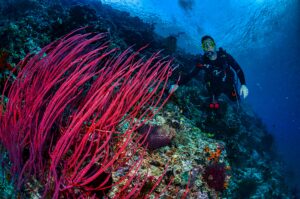
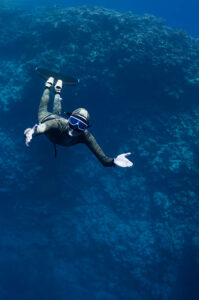
World Oceans Day reminds us that “Healthy Oceans, Healthy Planet” is more than just a slogan—it’s survival science. Our oceans stabilize climates, support biodiversity, and sustain life on land. Yet human neglect is silently poisoning these lifelines.
In this article, you’ll learn about four major ocean threats facing our marine ecosystem, and why we must pay attention.
4 Biggest Ocean Threats
From toxic pollution to climate disruption, our oceans face powerful enemies. Let’s spotlight the four biggest ocean threats that shakes our marine ecosystems and endangering life beneath the surface.
- Pollution.
- Acidification.
- Overfishing.
- Coral Degradation.
Pollution
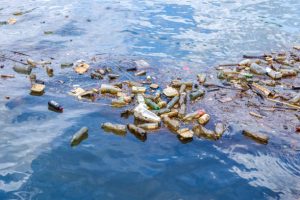
According to UNESCO, Over 80% of ocean pollution starts on land, fueled by agricultural runoff, raw sewage, and hundreds of millions of plastic waste.
Ocean pollution causes harmful chemical and physical damage to marine ecosystems and the life that depends on them for survival. It also excludes the ongoing harm from oil and chemical spills that happen regularly.
Acidification
Carbon dioxide dissolves into our oceans, lakes, and rivers, triggering a chemical reaction that lowers their pH which in turn lead to a process called Acidification.
This alteration has a negative effect on the seas’ saturation of calcium carbonate minerals, which are essential to organisms that depend on these minerals in building their shells and skeletons, including corals in addition to all shelled animals.
Acidification also lowers the levels of oxygen, creating lifeless areas in the world’s oceans called dead zones.
Overfishing
While you may think it is wonderful to live in a world in which the most landlocked areas can enjoy a seafood dish, Our endless demand has caused heavy overfishing, that quickly destroying whole marine ecosystems.
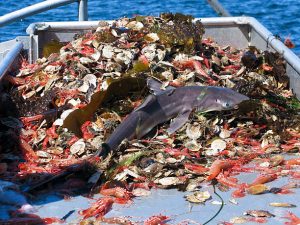
When fish near the surface run out, fishermen drag nets along the ocean floor. This ruins soft, slow-growing places that might never grow back.
This is considerd nothing compared to the tons of sea animals get caught by mistake, and most are just thrown away, which wastes so much.
Coral Degradation
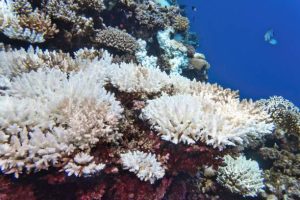
The importance of cral reefs isn’t only about the pretty sights under the surface, as it goes byond that to the land by protecting coastal shores from damaging by storms in addition to providing habitat for sea creatures that are all considered a part of the planet’s intricate food web.
All of the previous threats have highly destructive effects on coral, and unfortunately some of which can never be reversed. Just like cutting down forests harms the land, losing coral reefs badly destruct the ocean.
Important FAQs about Ocean Threats
Our oceans face escalating dangers, from rising temperatures to plastic-laced tides. These key FAQs reveal what’s happening. Let’s have a look.
How does climate change threaten ocean health?
The ocean soaks up extra heat from greenhouse gases, leading to warming its surface. This result in coral bleaching, disrupted marine ecosystems, melting polar ice, and reduced oxygen levels, which all vital to marine life.
What is ocean acidification and why is it concerning?
When carbon dioxide dissolves into seawater, the pH is reduced, causing the water to be more acidic. This cause damage to shell-forming species, such as clams, corals, and plankton, which are vital when it comes to marine food webs and carbon cycling.
Why is overfishing a major threat to marine life?
Repetitive overfishing doesn’t give them time to grow back. It destabilizes ecosystems, makes food harder to get, and causes waste and damage to the ocean.
How does plastic pollution affect marine ecosystems?
Marine creatures often ingest plastic or get entangled in it, resulting in injury or even death. Microplastics also leads to water and seafood contamination, which pose risks to biodiversity and human health.
What are the effects of underwater noise pollution?
Loud sounds from ships and machines interfere with how whales and dolphins talk, find their way, and connect with each other. Prolonged exposure can cause stress and strandings.
Why are coral reefs rapidly deteriorating?
Coral reefs faces high risks from warming waters and acidification. These pressures lead to coral bleaching and weaken strong structures. When reefs break down, it harms the whole ocean’s food chain, as they protect about 25% of marine species.