What do sunken ships, sculpted concrete pyramids, and retired subway cars have in common? They’re all part of a growing movement to rebuild marine ecosystems—one artificial reef at a time.
As climate change and human activity continue to threaten natural coral habitats, scientists, divers, and coastal communities are turning to creative underwater engineering to restore life below the waves.
But artificial reefs aren’t just ecological lifelines, they’re also thrilling dive destinations, often safer and more accessible for beginners than their wild counterparts. Whether you’re a curious snorkeler or a seasoned scuba pro, these man-made marvels offer a unique blend of conservation, adventure, and awe.
In this guide, we’ll explore why artificial reefs are created, how they’re built, whether they’re safe for new divers, and the top spots to check out this year. Ready to dive into the deep end of innovation?
The Main Objectives of Creating Artificial Coral Reefs
- Marine habitat restoration: Many natural coral reefs in addition to some other underwater habitats have been damaged by human activities, including: pollution, overfishing, and climate change. Artificial coral reefs are considered a good chance to restore and create new habitats for marine species to thrive.
- Promoting biodiversity: Artificial coral reefs attract biodiverse marine life, including fish, molluscs, crustaceans, and plants (in turn). These structures contribute to improving the health of marine ecosystems.
- Fisheries Management: Artificial reefs serve as Fish Aggregating Devices (FADs)) by attracting schools of fish. This enabled fishermen to locate and catch fish easily. This has a good impact in reducing pressure on natural fish populations.
- Erosion Control: In some cases, artificial reefs are set up near shores to shield them from wave damage.
- Diving and Recreational Opportunities: Artificial reefs have become popular dive spots for freediving and other recreational activities which can also enhanceTourism in coastal areas.
However, It is very important to design and implement artificial reefs in a responsible way to minimize any negative environmental impact.
Factors like the location, the materials used, and potential interactions with existing marine ecosystems should be considered to guarantee both the success and sustainability of the reef’s structure.
In addition to that, watching and studying artificial reefs and their impact on marine life helps us see how they affect sea life and nature over time.

How are Artificial Coral Reefs Created?
Building an artificial reef is considered a thoughtful process that requires consideration of some objectives, such as location, materials, and environmental factors. Here are the basic steps to build an artificial reef:
- Site Selection: It is a critical thing to choose the right location for an artificial reef, and there are some factors that you should consider, such water depth, currents, seabed type, nearby reefs or habitats, and the reef’s purpose (e.g., coastal protection, fisheries enhancement, or marine habitat restoration).
- Planning and Permits: Coral reef projects need official permits and environmental approvals first. This makes sure the project follows the rules and doesn’t cause any harm to the marine ecosystem.
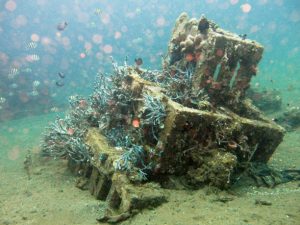
- Design: The artificial reef design depends on both their purpose and available resources. The structures of reefs range from simple units like salvaged materials or concrete blocks to larger setups like shipwrecks or balls that are specially designed for coral reefs.
- Material Selection: Artificial reefs can be created from various materials, such as old ships, train cars, concrete, steel, rock, and other materials that are environmentally friendly. The material used should be selected depending on their durability, suitability for marine life, and environmental impact.
- Construction: After transporting the selected materials to the chosen site, the process of reef-building begins. This process involves placing the materials on the sea floor or sinking big items, like ships or barges, in a controlled manner to avoid hurting marine life.
- Deployment: The reef is placed or attached to the sea floor. The reef is set up carefully to guarantee it will stay steady and won’t move during deployment.
- Monitoring and Evaluation: After deployment, regular checks and evaluation are vital to assess the effectiveness of the reef and its effects on marine life. Scientists and conservationists track how sea life settles on the reef, how corals grow, and whether the project meets its goals or not.
- Maintenance: Artificial reefs sometimes need checkups to stay safe and useful. Periodic inspections are conducted to identify any problem or potential risks that must be treated.
It’s good to let local people, sea experts, and nature helpers join in planning and building the reef. Working with others helps match the reef to local needs, keeps it eco-friendly, and protects sea life ecosystem health.
Are Artificial Reef Dive Sites Safe for Beginners?
Just like natural reefs, you can find artificial reef dive sites in different shapes and sizes. Some are shallow and have open-water, while others can be more complex.
However, artificial dive sites have fewer surprises because they’re carefully managed by government administrations. It is still important to choose the right dive site, but we can say that dive sites are relatively safe in general!
Best Artificial Reef Locations to Check out This Year!
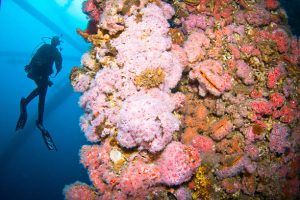
1. Museo Subacuático de Arte (MUSA), Mexico
Here, in the Museo Subacuático de Arte, you will spot hundreds of life-sized statues in the clear waters of Cancún! MUSA is considered one of the most fantastic underwater art museums in the world.
Its structure features enhanced sculptures that ingrain the growth of coral. That perfectly supports the biodiversity of marine life in this area.
2. Parco Archeologico Sommerso di Baia, Italy
Ever wanted to dive into old history—like, really dive in? The Underwater Archaeological Park of Baia is considered a sunken Roman City that has been left behind by time. Everything from roads, statues, and tiles is left to nature beneath the waves.
Diving here makes you feel as if you are exploring Atlantis. Swim by old ruins, surrounded by quiet, deep water. The artificial reefs sit between 5 and 15 meters deep, which helped them to be easy to reach for curious divers and underwater photographers.
3. Dive Bahrain, Bahrain
If shipwrecks wow you, wait till you see a sunken Boeing 747. Dive Bahrain is the world’s biggest underwater park, stretching across 100,000 square meters.
The main attraction? A 70-meter retired plane was sunk to build a reef and attract variable sea creatures.