Coral reefs are like underwater cities full of life. Their importance lies in protecting coastlines, supporting fishing, and bringing beauty to the ocean. But today, many reefs are dying.
This article looks at 5 Major Causes of Coral Reef Destruction: Each one is putting stress on coral and making it harder for reefs to survive.
What are the Main Causes of Coral Reef Destruction?
Coral reef destruction can be particularly devastating for certain areas of the world that rely on them for their livelihood (through tourism or fisheries) or as their primary source of food.
But even if you don’t depend on them, coral reef destruction also has an effect on you. While you may disagree with me in that, as a human, we depend heavily on coral reefs for food and other crucial resources.
Continuous destruction of coral reefs is an alarm that has become something we can’t ignore. The first step you should take to solve this global problem is to know what the main causes are. Although coral reef destruction can be prevented, we must spread awareness on a massive scale to implement changes that will be long lasting.
- Reef Bleaching.
- Poison or Dynamite Fishing.
- Water Pollution.
- Sedimentation.
- Careless Tourism.
- Reef Bleaching
Reef bleaching occurs when extreme water conditions lead to expelling the internal microorganisms from corals, and these microorganisms are responsible for their vibrant colors.
Bleaching events are a result of several factors, including pollution, extreme low tide, and the most common cause which is the change in the water temperature due to global warming. The higher the temperature of the planet, the higher the water temperature will be.
Fortunately, bleached corals are technically not dead yet. Fortunately, coral reefs can be self limiting, particularly when water temperatures cool during winter.
However, when corals are bleached, they do become more vulnerable to disease and possible death. This is especially true if they are continuously subjected to stress.

Poison or Dynamite Fishing
Unfortunately, It is a common practice in some countries to use cyanide and other poisons in fishing as this also kills coral reef dwelling creatures. The poison is not a thing that only kills a specific fish, unless you put it into domestic saltwater aquariums.
Although there are many types of fish that have the ability to metabolize the cyanide and will only have temporary effects, other types like coral polyps can’t. When cyanide gets in the reef’s nooks and crannies, the coral usually dies in the cloud of poison.
In the countries of the south of Asia, like the Philippines and Indonesia, fishing using dynamite or blast is still a common practice. As the name suggests, this is when fishermen use explosives—which are usually crude and homemade ones—to make it easier for them to catch more fish.
Water Pollution
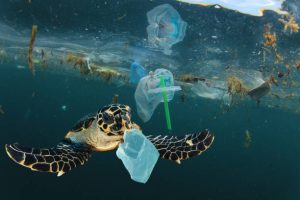
Water pollution can be regarded as the most obvious cause of coral reef destruction. Reefs are harmed when the waste of the oil, fertilizer, and humans are dumped in the area. These wastes can lead to changing the chemical composition of the water, and can also block life-giving sunlight to the reef.
Floating trash can also cut young coral polyps off from the nutrients they need to grow into a thriving reef.
Sedimentation
Any insoluble particles that are transported from land areas to the ocean is called marine sediment. Human settlement and agricultural activities contribute to the amount of particles that are washed off into the sea, but construction and mining along sea coasts can also create a great deal of silt and soil run-off.
When sediment enters the ocean, it causes coral reefs to be smother, depriving them of sunlight and nutrients. Also, fish can’t feed and coral polyps are unable to grow, leaving the area inhospitable to reef life.
Careless Tourism
Increased tourism is one of the major causes of coral reef destruction. The following factors all contribute to coral reef destruction:
- Uncontrolled building and irresponsible business operations.
- Increased discharge of wastewater.
- Careless tourist behavior.
Boats and other vessels used for recreational activities can damage coral reefs with carelessly dropped anchors or accidental grounding. Meanwhile, scuba divers, snorkelers, and other sea lovers often inadvertently damage the reef by playing on them, stepping or sitting on them to rest, or simply by touching them and exposing them to their skins’ oils.
But, other scuba divers choose to have a role in marine conservation and try to spread awareness to help in protecting coral reefs and the whole blue planet.
Tourists also should know that their activities have a direct impact on the marine ecosystem. Much of the tourism coral reef destruction can be prevented with just a bit of education for those who want to explore these interesting natural creations.