At some point, as a scuba diver, you start thinking about purchasing your own scuba equipment instead of renting it. Having your own equipment can make diving more comfortable and enjoyable — but it’s also a big investment.
Knowing what to buy and when to buy it can save you money and help you make the best choices. In this guide, we’ll look at the pros and cons of owning scuba gear and share tips to help both new and experienced divers decide what’s right for them.
So Why Buy Scuba Diving Gear If I Can Rent?
There are many advantages of purchasing your own scuba equipment, including:
● Comfort and Fit:
Purchasing your own scuba equipment takes some time, as you will need to try on different sizes and styles in order to get the most comfortable and fittable items. This matters a lot, because an ill-fitting rental BCD or a leaky mask can quickly ruin the enjoyment of your dive.
● Safety through Familiarity:
When you purchase your own scuba equipment, you become more familiar with it. Knowing exactly where everything is increases your safety – your SMB is always in its usual pocket; you know the place of your alternate air source and it’s simple to find your other gear.
● Long Term Saving:
Depending on the place of your dive spot, the price of renting your diving equipment can vary considerably. If you dive often, the savings over time can add up enough that your gear may eventually pay for itself.
● The Right Item for the Job:
Some scuba divers need certain requirements for their equipment which may not be available when renting. For instance, an underwater photographer may need large pockets in their BCD to store interchangeable wet lenses.
● Multi-purpose:
Not all scuba equipment is only for scuba diving. Having your own mask, snorkel and fins can benefit you in any beach holiday; you can also use wetsuits and rash vests in other water sports, and many dive computers also have freediving modes.
● Dive Computers:
Each dive computer feature different settings, menu, buttons, functions and algorithms. Learning about the model of rental computer each time you dive can sometimes be frustrating and takes extra time.
Purchasing your own dive computer means you will know well how it works and many computers record your dives and will link up to your laptop to be able to transfer your logged dives instantly.
Is It Necessary For You to Purchase Your Own Scuba Equipment?
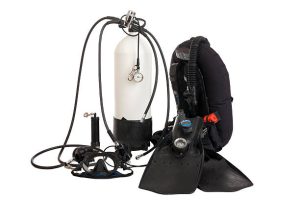
Actually, it is not necessary to purchase your own scuba equipment when starting scuba diving or when going on diving trips. However, in case of visiting remote spots and on liveaboards (which have limited space to store your gear on) you just need to have at least your own basics, including wetsuit, mask, snorkel, and fins.
Okay, so what do you need to consider when you Purchase Your Own Scuba Equipment?
- Taking it on holidays:When planning to dive on holidays, consider your baggage allowance. Some airlines offers an additional allowance for scuba gear – if not, then try to charge for overweight at the airport.
- Different Locations, Different Requirements: Your favorite 3mm shortie may work when diving at home but in cooler waters, you will need a thick wetsuit.
- Servicing and Maintenance: When you purchase your own scuba equipment, then you have to care for it and this demands several things besides rinsing it after diving. Regulators need regular servicing besides parts replacing periodically. Dive computers need fresh batteries and you will need also to care for your BCD inflator hoses.
- Storage: When not using your gear, store them at home in a cool and dry place.
- Try Before You Buy: When purchasing your own scuba equipment, it is possible to try it on in the shop but not in the water!
- Finances: Even when investing in a full set of scuba gear, it can pay for itself in the long term.

Confused? Here are Some Tips to Help You:
- When renting dive equipment, try different options during your stay so you can purchase what is working best for you. If you feel comfortable in a style and liked it, make a note of the manufacturer and model. Ask the dive shop if you can purchase it or about the place in which it is available.
- In the dive store, before buying any item, take your time in trying many different models – tell the sales staff about the type of scuba diving you are going to practice in addition to the needed requirements.
- Consider the dive spot you will be diving in and the type of diving you are going to practice. When scuba diving on holidays, buy travel BCDs which are light weight and roll up in your luggage. In case of diving at home and not moving around then a heavier duty BCD will be the perfect choice.
- When purchasing your own scuba mask, choose the best fit because it is everything, the best mask model will not work for you if it doesn’t have the proper fit.
- In case of a “travelling diver”, it is recommended to choose a wetsuit combination that provided you with several options for different temperatures of water. Choose a 5mm wetsuit with a 3mm shortie covers most eventualities; the shortie is the best for tropical water, the 5mm is the ideal for temperate waters and the 3mm shortie over the 5mm for cooler waters.
- Visit your local dive store and ask about package deals – many offer snorkel, mask, and fin combos in addition to regulator and BCD combos. These can save more money but don’t buy unsuitable gear just because of the low price. Make a list of your requirements, such as single lens mask, integrated weights, big BCD pockets, computer free diving mode and open heel fins etc, then go to the store and buy them. This will help you stay on track and not get distracted by too many options. Take advice from experts but remember your requirements.
- You don’t have to buy a full set of gear. It’s recommended with scuba equipment to gradually accumulate your set (step by step purchasing).
Safety First! Always ensure that you deal with a reputable dive shop and follow the instructions of the manufacturers. If you want to know the place of nearest PADI Dive Centre with a retail outlet, visit the PADI Dive Shop Locator.