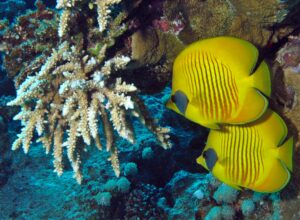
Exploring the enigmatic underwater world is made viable through the mesmerizing sport of scuba diving. The special circumstances encountered underwater cause divers’ bodies to go through a range of physiological cases as they descend. To ensure the safety and well-being of divers, it is vital to be aware of these physiological factors each earlier before and after diving. The complexities of how the human physique adjusts to the underwater surroundings are examined in this article, alongside the physiological factors that are necessary to recognize in consider in the procedure of and after a dive.
Physiological Variables During Scuba Diving:
1. Pressure and the Respiratory System:
Pressure on the respiratory system through scuba diving reasons the most speedy and profound physiological alteration. Water presses towards a diver’s physique as it submerges, altering its lung capacity and air density. Divers use pressurized air from their tanks to breathe underwater. To forestall barotrauma or harm from pressure imbalances in air-containing areas like the ears and sinuses, the raised pressure desires regular equalization.
Another challenge with the ascension is that the body’s compressed gasses increase due to falling pressure. The manufacturing of nitrogen bubbles in the circulation and tissues can cause decompression sickness, which can be averted with the aid of right ascending by predetermined dive profiles.
2. Oxygen Toxicity:
Even though inhaling extreme doses of oxygen deep may motivate oxygen toxicity, a doubtlessly fatal sickness, oxygen is critical for survival. By making use of approving gas mixtures, such as nitrox, and abiding using stringent depth and length restrictions, divers minimize this danger. It is crucial to use gear and have perfect instructions to keep away from oxygen toxicity for the time of scuba diving.
3. Nitrogen Narcosis:
Descending to more depths can cause divers to encounter nitrogen narcosis, an intriguing physiological phenomenon known as the “rapture of the deep.” Increased partial pressure of nitrogen at depth is the source of this narcotic effect, which modifies cognitive function. Nitrogen narcosis may be reversed by ascending to lesser depths, but it emphasizes how crucial depth management is to prevent impaired judgment and decision-making underwater.
4. Thermal Stress and Thermoregulation:
Thermal stress is presented by the underwater environment because water conducts heat more effectively than air. Temperatures differ widely for divers, going from balmy tropical seas to icy deeps. The body utilizes its thermoregulatory systems to resist heat-related pressures. To avoid pain from the heat and potential harm from the cold, it is important to choose the right wetsuit or drysuit depending on the water’s temperature.
5. Buoyancy and Hydrostatic Pressure:
A crucial ability for scuba diving is buoyancy control, which modifies one’s body’s position in the water. To achieve neutral buoyancy, which allows them to hover with comfort at different depths, divers utilize buoyancy devices. The water column’s hydrostatic pressure alters the body’s buoyancy and has the potential to modify blood distribution. Ensuring optimal diving conditions and avoiding barotrauma require careful buoyancy management.
6. Fluid Shifts and Circulatory Changes:
Immersion in water causes modifications in bodily fluids that affect the circulation. There is an upsurge in the volume of central blood due to the redistribution of blood to the thoracic cavity. It is vital to comprehend these alterations in circulation, especially for those who already have cardiovascular diseases. Hydration before diving and avoiding overuse of diuretics aid in maintaining circulatory stability.
Post-Dive Physiological Changes and Recovery:
The human body goes through many physiological adjustments and changes after diving that need to be recognized and understood. We will explore the complicated world of post-dive physiological changes, including their effects on divers’ bodies and the actions that must be taken to provide a fast and safe recovery.
1. Afterdrop and Core Body Temperature:
A major physiological alteration that ensues after diving is called “afterdrop.” Even after emerging from the water, divers’ core body temperatures may decrease as they rise to the surface. The main reason for this is the return of cold blood from the extremities to the core. Controlling afterdrop is critical to avoiding hypothermia and ensuring a quick recovery.
After a dive, it is advised that divers cover up with insulating clothes and keep out of the cold. Because they are made to hold onto body heat, wetsuits and drysuits are important for lowering afterdrop. Rewarming gradually and keeping the surrounding air at a proper temperature help provide a safer recovery process.
2. Dehydration and Fluid Balance:
After diving, dehydration is a usual concern because divers might not feel thirsty while underwater. Fluid loss may result from physical activity as well as the diuretic impact of inhaling compressed air. In order to maintain fluid balance and promote general well-being, rehydration is necessary.
Divers are instructed to hydrate with water or other refreshments that help refill lost fluids without making them dehydrated, including isotonic drinks. Urine color may be used as a gauge of one’s level of hydration; lighter colorings indicate optimal hydration.
3. Gas Elimination and Decompression:
The body needs time to exile any gasses that were retained during the underwater experience after diving. Decompression is a vital part of recovery after diving, particularly for divers who have descended to considerable depths. To facilitate the slow release of nitrogen from human tissues and avoid decompression sickness, it is imperative to adhere to dive tables or dive computer instructions that have been created.
Divers are warned against flying right after diving and engaging in robust activities since they might increase their risk of decompression sickness. A safer post-dive recovery can be achieved by allocating sufficient time for surface intervals and following suggested dive profiles.
4. Fatigue and Muscle Recovery:
Even while it’s thrilling, scuba diving may be physically taxing. Muscle exhaustion can result from the effort needed to travel underwater, handle gear, and deal with buoyancy matters. Muscle healing requires enough rest and recovery after diving.
Stretching and a good cool-down regimen can help release of tension in the muscles and reduce the possibility of developing delayed onset muscle soreness (DOMS). After a dive, massages and warm baths can help further with muscular recuperation and relaxation.
Although scuba diving presents a remarkable chance to discover the beauties of the underwater world, there are physiological tribulations. Divers’ health and safety depend on their ability to comprehend and control these factors. The development of best practices in scuba diving allows enthusiasts to continue exploring the depths while minimizing the impact on their physiological well-being. This is made possible by proper training, attention to safety standards, and continuing study.