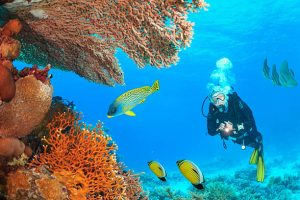
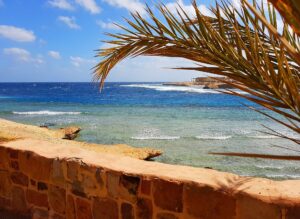
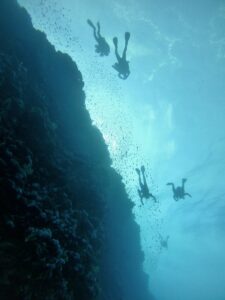
The Red Sea has earned a reputation as one of the premier destinations around the world. That attracted scuba divers with its vibrant coral reefs, abundant marine life, and exceptional underwater visibility.
However, maintaining these remarkable ecosystems requires ongoing protection and responsible management. Thanks to Egypt’s growing commitment to marine conservation, divers can continue to enjoy thriving reefs and diverse marine species while helping support the long-term health of the underwater environment of the Red Sea.
Ras Mohammed National Park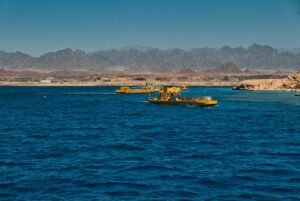
Ras Mohammed National Park, which is a prime diving location on the southern Sinai peninsula, received in 2018 the IUCN Green List certificate, which indicates that the area is recognized by the International Union for the Conservation of Nature as one of the best-managed marine environments around the world. More than 210 coral species were recorded, with live coral covering up to 90% of some areas and averaging 65% overall, showing that the reefs are in excellent condition.
When we compare this with elsewhere in Egypt, we will find that live coral cover around 20-30% and in Australia, according to the Australian Institute of Marine Science, the live coral coverage percentage dropped to 14%–25% on the Great Barrier Reef. This happened after a series of coral bleaching events caused by rising ocean temperatures in 2017.
For over forty years, the park showed that effective management and protection of coral ecosystems can be reached regardless of the heavy tourism industry and climate change impacts.
The Red Sea Environment Centre (RSEC)
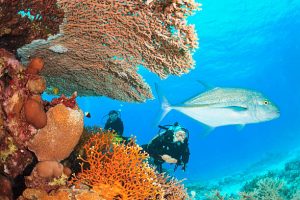
The RSEC is a non-profit group that works to study, protect, and raise awareness about the coral reefs of the Red Sea. Based in Dahab, a relaxed Bedouin town popular for both fun diving and freediving training, home to the famous 90-metre sinkhole known as the Blue Hole.
RSEC provides marine biology courses and trains ecodivers in reef surveying and monitoring to support scientific research. You can join a paid volunteer program that lasts from 2 to 5 weeks in order to improve your scuba diving skills and participate in fieldwork that supports Red Sea conservation.
The Dolphin Watch Alliance
Further along the coast, the Dolphin Watch Alliance works to protect cetacean habitats in Hurghada. They’ve introduced a tourist education program through local dive centers and a code of conduct that dolphin-watching and swimming tour operators must follow.
The growing interest in seeing cetaceans in their natural habitat instead of captivity is positive, but it only works if their natural behaviors like feeding, sleeping, and mating are protected. Otherwise, Alliance studies show that the activity of the boat and tourists disrupt the behavior of dolphins, and boat propellers can cause deaths, leading to a rapid population decline.
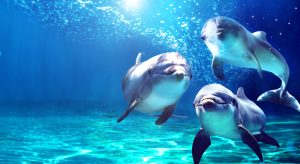
In the BBC Blue Planet II documentary movie, we see why Red Sea dolphins are worth watching. When in Egypt, you can look for these intelligent animals, but only go with a responsible tour operator to ensure safe and enjoyable encounters for both people and dolphins.
Without these organisations’ hard work, the Red Sea could end up like other popular dive spots that are having trouble in preserving and protecting sea life.
PADI promotes freediving in a responsible way and encourages all PAD Scuba divers to follow the guideline when behaving in order to preserve and protect coral, fish and other aquatic species and make sure their environment is still healthy to them.
By that way, the great marine conservation work is supported in Egypt and the Red Sea becomes protected for generations to come.