Cave diving combines the magic of exploration with the enchantment of the underwater world. Cave diving opens a door into places few human beings have ever laid eyes on-from submerged caverns of antiquity to serpentine tunnels. Yet, however fascinating this sport may be, it is also among the most technical and demanding forms of diving, needing special training and equipment. The following are among the world’s top travel destinations for cave diving, for those who can take up the challenge.
1. Cenote Dos Ojos – Tulum, Mexico
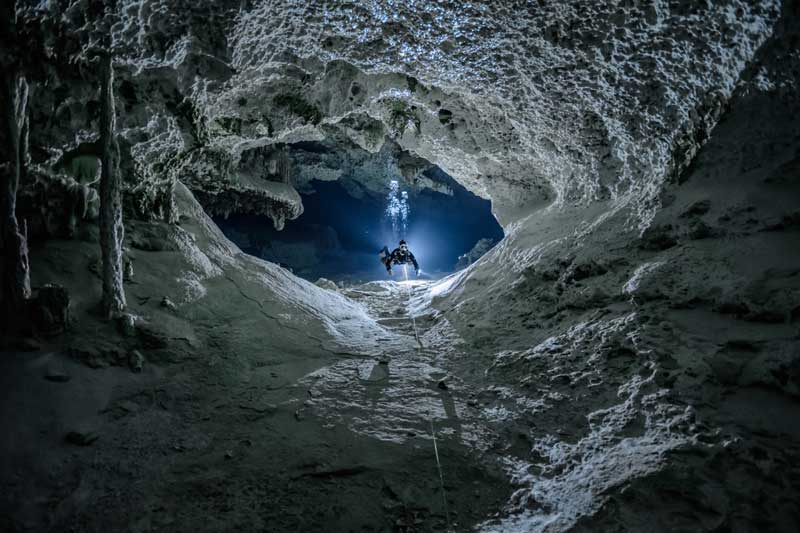
Located in the heart of Yucatán Peninsula, Cenote Dos Ojos is one of the most famous and breathtakingly beautiful sites for cave diving. The visibility here reaches as much as 100 meters. The two larger caves of Cenote Dos Ojos are interconnected by a system of tunnels in which divers can swim amongst stalactites and around limestone formations. Lively light beams filtering through the water give it the feeling of diving into a natural cathedral.
Highlights: Crystal-clear waters, limestone formations, dramatic lighting
Best time to visit: November through April for the calmest conditions.
2. Devil’s Cave System – Ginnie Springs, Florida, USA

Florida is home to one of the largest systems of freshwater springs anywhere in the world, and Ginnie Springs has the proud boast of having the Devil’s Cave System. This is a very varied site with everything from the popular but easy diving at Devil’s Eye and Devil’s Ear cave entrances to the more difficult Devil’s Spring run. This system reaches a maximum depth of 30 meters and offers the ideal combination of depth and complex tunnel systems, thereby making it a perfect location both for beginner and advanced cave divers.
Highlights: Freshwater springs, varied tunnel systems, wildlife such as turtles and fish.
Best time to go: All year round, though late spring to early fall is considered good weather.
3. The Blue Hole – Dahab, Egypt
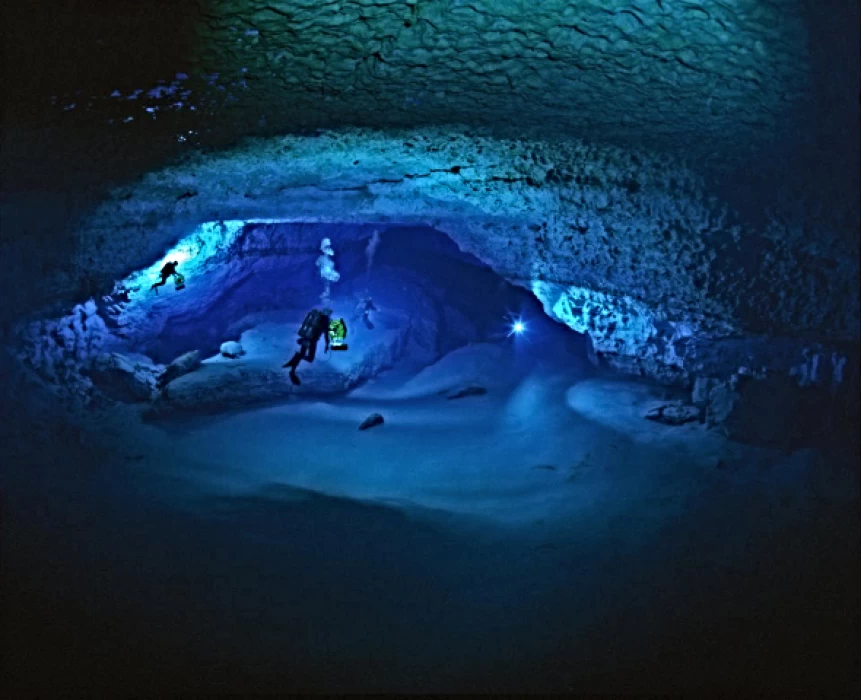
While it is most famous for its vertical drop, the Blue Hole in Dahab does have some pretty amazing underwater cave systems. Most famous is the “Arch”-a tunnel that links the Blue Hole with the open sea. To make it across the arch, divers have to drop down to about 55 meters. Because of this, it’s only a dive for advanced technical cave divers. This site is impressively beautiful but also thought to be very hazardous and nearly equal to what might be described as the “Diver’s Cemetery.”
High Points: Vertical walls, arch tunnel, mass marine life
Best time of visit: April to November – Best month for visibility and sea conditions
4. Orda Cave – Perm Region, Russia
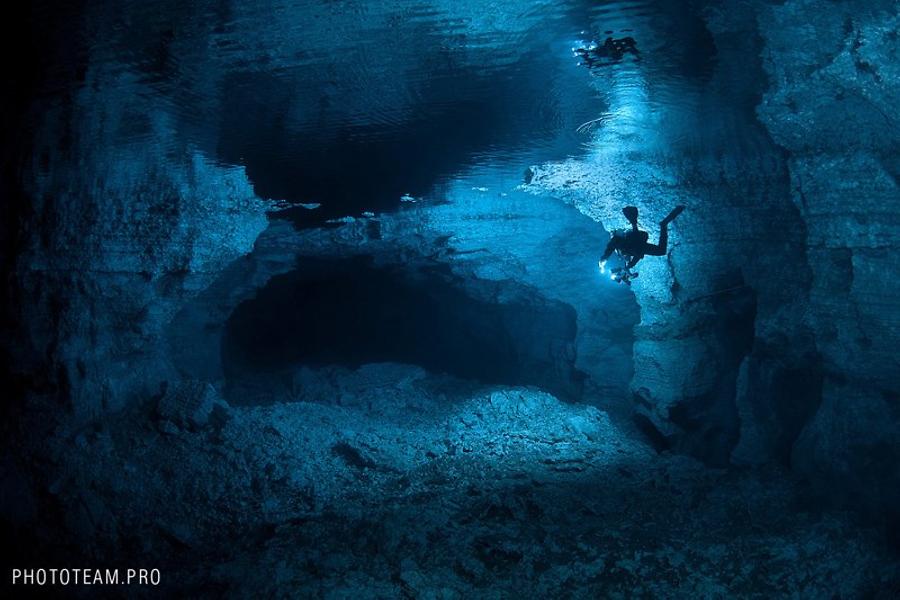
Orda Cave is the longest underwater gypsum cave on the planet; the cave is more than 5 kilometers long. Known for its ethereal beauty, the white gypsum walls of this underwater cave are out of this world. The water is freezing but crystal clear; visibility is excellent. It is a technical dive because of the cold temperature and narrow passageways, but it is worth the effort to enjoy this outstanding natural beauty.
Highlights: Crystal-clear cold water, intricate passageways, unique gypsum formations.
Best time to visit: Winter, when surface conditions are typically flat, and visibility is at its best.
5. Ben’s Cave – Grand Bahama Island, Bahamas
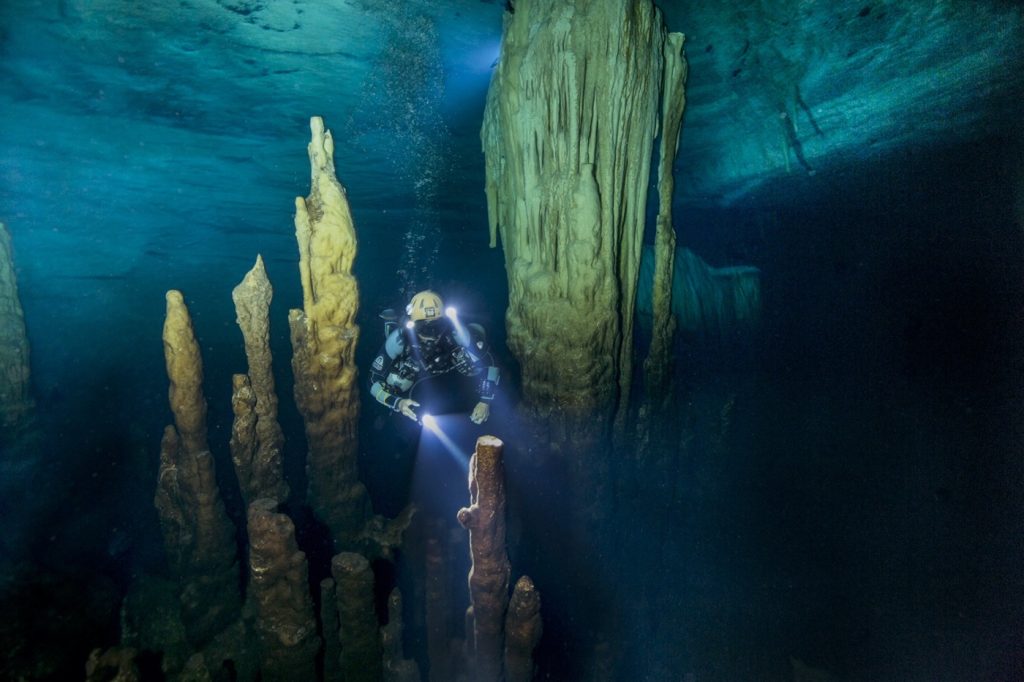
Located in Lucayan National Park, Ben’s Cave is part of some of the longest sets of underwater caves anywhere in the world. It is a relatively shallow dive; hence, it is accessible to both the beginning and intermediate divers. It contains some of the most remarkable geological formations in any cave and hosts a number of unique species, such as the critically endangered Bahama Swallow. The water in Ben’s Cave is fresh at its surface but changes into salt at deeper levels because it is connected to the sea.
Sights: Double systems of waters – fresh and salt, easy to reach, unique wildlife.
Best time: November – April for clear conditions.
6. Dos Palmas – Philippines
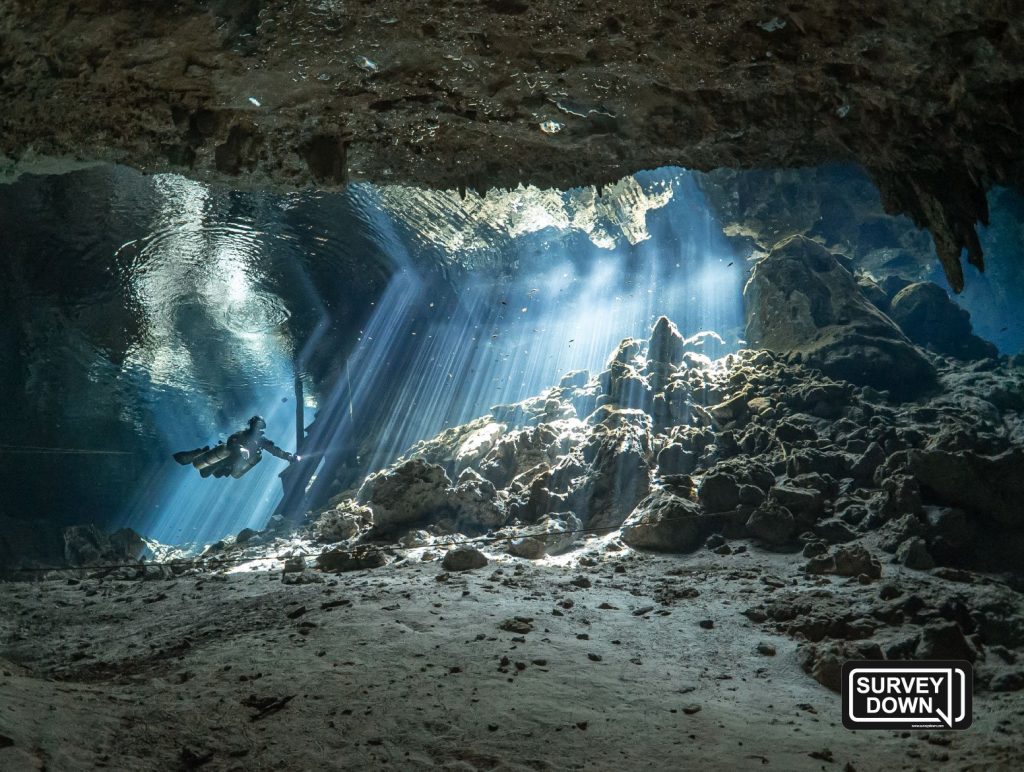
The famous Palawan Underground River is housed by Dos Palmas in the Philippines, among the new seven wonders of nature. A portion of this cave is navigable by boat; diving deeper into the system of the cave offers a completely different experience. This would include dramatic limestone formations and tunnels that extend further than miles. Advanced divers should do this dive because it is pretty deep and complex.
Highlights: Limestone formations, vast network of tunnels and rich biodiversity.
Best time to visit: Clear visibility from November to May.
7. Sistema Sac Actun – Tulum, Mexico
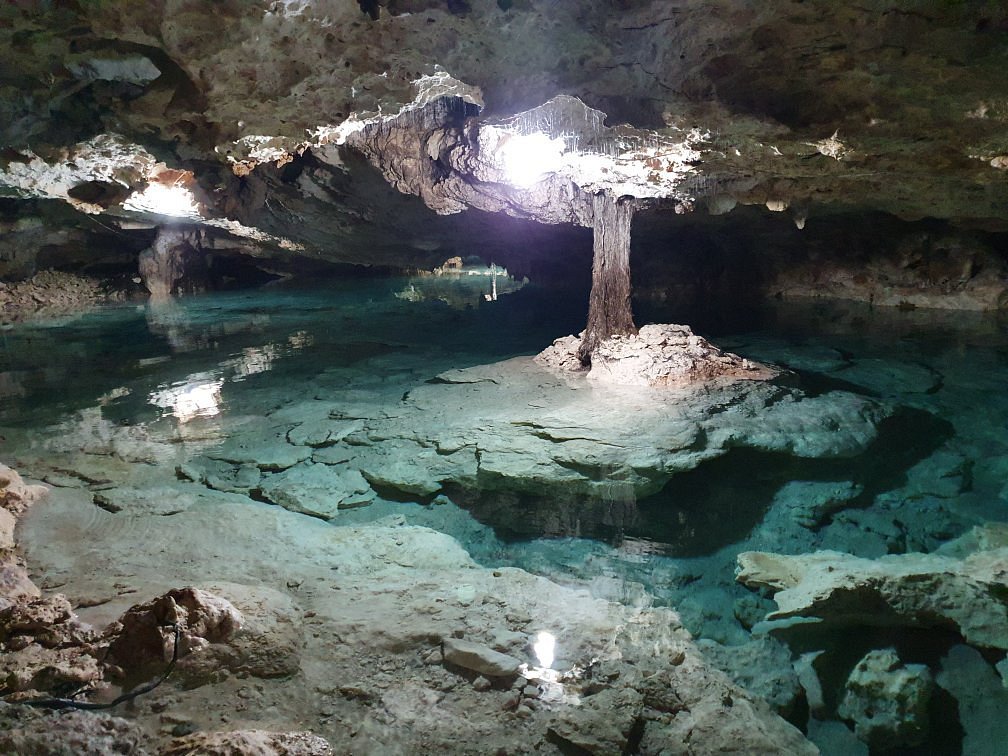
The Sistema Sac Actun, with its more than 370 kilometers, is the longest undersea cave system in the world. This complex of tunnels and waterways, together with the many cenotes found throughout the network near Tulum, is a must-see for experienced cave divers. The crystalline fresh water and complex tunnel setup, with chambers, make a diving experience absolutely incomparable. Antiquated Mayan artifacts or even fossilized remains from prehistoric animals often turn up when diving, a dive even furthering a historical exploration.
Highlights: Largest underwater cave system, historic significance, crystal clear water.
Best time to visit: From November to April for tranquil water and comfortable temperature ranges .
8. Wakulla Springs – Florida, USA

Another of the gems in Florida’s freshwater cave system is Wakulla Springs. It is one of the largest and deepest freshwater springs anywhere in the world. The Wakulla Cave System extends for miles, featuring huge rooms to narrow passages. Parts of the cave are open to recreational divers, while most of it is restricted for research and exploration due to its size and complexity.
Highlights: Huge cave rooms, great visibility, fresh water diving.
Best time to go: All year round, optimal weather conditions in spring and summer, though.
Safety Tips for Cave Diving
Cave diving is an advanced level of diving that requires training and equipment. A few key things to remember include:
- Get Certified: Only certified cave divers should attempt these dives.
- Bring Specialized Equipment: Ordinary scuba diving equipment is not sufficient here; one needs to carry a redundant air supply, dive light, and a guideline reel.
- Dive with a Buddy: Like in scuba diving, it is never to be done alone; one should do a cave dive with an experienced buddy.
- Plan Your Dive: As in every other dive, stick to your dive plan and monitor your air, depth, and time.
Cave diving offers the thrilling experiences of underwater exploration, opening up hidden geological wonders and age-old mysteries. From the crystal-clear waters of Mexico’s cenotes to Russia’s Orda Cave and its labyrinthine tunnels, several breathtaking cave diving spots dot the world for those ready to explore. Happy and safe diving!