You’re thrilled—it’s the day before your big dive trip. After months of anticipation, it’s time to pack your dive bag. With dive gear and holiday clothes spread out, the challenge is fitting everything into your new dive bag so it arrives safely.
Properly packing your dive bag is essential, especially considering the rough handling at airports. There’s nothing worse than reaching your dream destination to find your gear broken in transit.
What are Dive Bags?
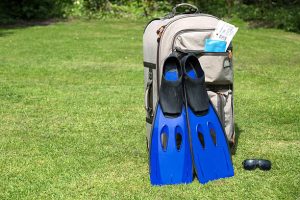
Dive bags are a kind of bags that are specially designed to store and transport scuba dive equipment efficiently.
What are the Benefits of Dive Bags for Divers?
In addition to aiding with transportation, dive bags keep scuba diving equipment dry, which helps prolong its lifespan..
What Types of Dive Bags are available?
Dive bags come in various types:
- The Trolley dive bag: It is the most common type. It is ideal for land transportation, especially for carrying large equipment.
- The Mesh dive bag: It is a type of bag which allows water to drain off easily. Divers can rinse and dry their equipment in a mesh dive bag without having to remove the gear.
What to Take When Packing Your Dive Bag

Your BCD and regulators are your primary life support systems. You’re familiar with using them and aware of their service history, so it’s essential to take them along on your trip.
A mask is a highly personal item for most divers, and dealing with a leaky rental mask can be quite frustrating. Wetsuits, on the other hand, depend on the destination. If you’re heading to a tropical location, renting one there can save you a few kilos in baggage.
If you’ll be needing a drysuit at your destination, it’s crucial to bring your own. Fins and booties are also very personal items that you’re accustomed to, so they should definitely join you on your trip.
Regarding your camera and housing, how else will you show off your underwater adventures to your diving friends? While dive torches can be quite heavy, bringing your own is essential if you plan on doing any night dives.
A “save a dive kit,” typically a mask box containing essential spare parts for quick fixes at the dive site, is a valuable addition to your dive gear. Remember, dive computers and cameras should usually be packed in your carry-on luggage.
Packing Your Dive Bag
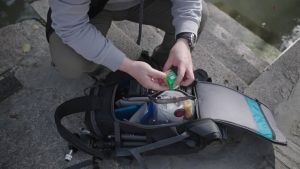
- To begin packing efficiently, create a secure compartment in your luggage to safeguard your dive gear. Position your BCD in the center of the bag with its back facing down. Then, place the fins vertically along each side of the bag, aligning them with the fabric to form the sides and base of your protective compartment.
- Next, place the camera housing, regulators, and mask on top of the BCD. Ensure each item is wrapped and padded with the clothing you’re bringing to provide extra protection.
- If you have a mask box and a regulator bag, you can secure the items by stuffing some clothes inside them. For example, a pair of shorts can snugly fit a mask in its box, while a small towel or a few T-shirts can provide extra protection for the scuba regulators.
- To properly protect camera housings, it’s best to wrap them first in bubble wrap, then in a towel. After that, fold your suit so it fits snugly between the fins and place it on the top of everything else.
- The last step in packing is to place all your remaining clothes and personal items into the bag.
- Make sure to keep the dive gear box solid and secure as you continue packing. After fitting in all your belongings, take some old newspapers, crumple them up, and use them to fill any empty spaces in your bag for added protection.
- This keeps everything secure and also provides material to wrap any gifts or souvenirs you purchase during your trip.
- Once everything is packed tightly and the bag is closed, feel around the entire bag. Apart from the area where the fins are, every part should feel soft with no hard objects detectable by touch.
- Finally, it’s time to do a handling test! Lift the bag and shake it gently. If you hear any rattling, reopen the bag and add padding around the items making noise.
After properly packing your dive bag by following the previous steps, you’re now ready for your dream dive trip, and you can expect your gear to arrive without any issues. Enjoy your scuba diving adventure!