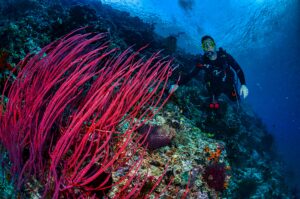
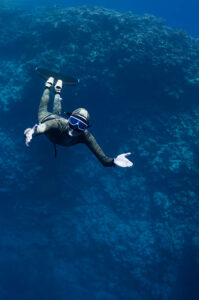
Imagine two scuba divers on the same boat: one is calm, sipping coffee, confidently checking her equipment, and chatting with the Divemaster. The other is quiet, struggling with his gear, unable to find his mask, and grumbling while searching for it. Which diver would you prefer as your buddy? If you chose the relaxed diver, discover how to be a relaxed diver while diving with these professional tips.
Note: These tips are for certified divers. If you’re not certified, you’ll need to enroll in a PADI Open Water Diver course first.
Why is It Important to Be a Relaxed Diver?
Staying relaxed during a scuba dive is essential for divers. A relaxed dive enhances pleasure, safety, and self-confidence, and also helps conserve air, leading to longer bottom time and more energy for future dives.

Before Your Dive Day
- You’ve booked your dive and eagerly await the dive day. But before you board the dive boat, there are a few preparations to be a relaxed diver:
- Find and note the contact information for the nearest medical center and Emergency Medical Service.
- Pack your dive bag the night before, not on the morning of the dive. Use a scuba dive checklist to ensure you didn’t forget anything.
- If the dive center is nearby and it’s your first time with them, meet the dive boat and dive team beforehand. For long road trips, take the dive center’s/dive boat’s contact information with you.
- If you have any questions, call your instructor or refer to your dive training manual.
- Avoid overeating at dinner the night before and abstain from alcohol.
- Ensure you get 8 hours of sleep.
On the Dive Day
Follow the next tips morning on the dive day, to be a relaxed diver through the whole trip:
- Eat a light breakfast with carbohydrates to avoid dizziness. Never dive on an empty stomach.
- In cool weather, avoid wearing multiple layers like pullovers and t-shirts. Choose something that will keep you warm without being bulky, as this will make changing into your dry suit and entering the sea easier.
- Avoid fizzy drinks to prevent stomach discomfort.
- If you have trouble equalizing, start doing it early in the morning, or even the day before in case of having serious issues.
- Meet with the dive group or leader and discuss your scuba diving level.
Moments Before Scuba Diving
- Thoroughly check your scuba diving equipment.
- conduct a buddy check and inform your buddy that it’s essential for both of your safety.
- Review basic scuba diving signals for communication.
- Agree on your dive plan and emergency plan, including what to do in case of buddy separation.
- Identify the locations of first aid and oxygen kits for emergencies.
- If you’re uncomfortable with your dive buddy, ask the dive leader to match you with someone else.
- Consult the dive leader if you have any concerns. Make sure there are no lingering doubts.
- Don’t go beyond your certification and condition limits. If you’re not trained for deep diving or if there’s a strong current you can’t handle, share this with the dive leader to find an alternative spot.
- Finally, take some time to relax. Find a quiet place, have a cup of coffee, listen to relaxing music, and watch the water.

During the Dive
- Descend with your feet instead of head.
- Monitor your buoyancy. Attend a buoyancy specialty program if you haven’t already, but remember that perfect buoyancy comes with experience. Be patient with yourself.
- Frequently check your SPG (Submersible Pressure Gauge).
- Stay close to your dive buddy, occasionally ask if they’re okay, and inquire about their air pressure.
- Take deep, slow breaths.
- Maintain a horizontal (hydrodynamic) position.
- Trust your training. You’re knowledgeable and have passed the required tests and skills.
- If you feel uncomfortable, stop briefly to assess your situation. Your mask allows you to see underwater, and your air source is safe. Trust your regulator. If discomfort persists after a few breaths, end the dive.
- Inform your dive leader when there is only 100 bar (1500 psi) of air, and again at 50 bar (700 psi).
By following these steps from the day in which you book your dive, you’ll become a relaxed diver. This will make your dives more enjoyable, increase your bottom time by using less air, and boost your self-confidence in diving.
SCHEDULE YOUR NEXT DIVE TRIP TO PUT THESE STEPS INTO PRACTICE.