Winter might be cold, but it’s a great time to boost your diving skills. You don’t need warm weather to earn new certifications and get ready for the next dive season.
These five PADI Specialties for winter will help you stay active, learn something new, and dive into spring with confidence.
5 PADI Specialities For Winter
Winter’s chill doesn’t mean your dive skills have to freeze. These five PADI specialties for winter are perfect for staying sharp and getting ready for warmer dives ahead.
- Ice Diver speciality course.
- Enriched Air Diver speciality course.
- Dry Suit Diver speciality course.
- Rebreather Diver speciality course.
- Peak Performance Buoyancy speciality course.
Ice Diver Speciality Course:
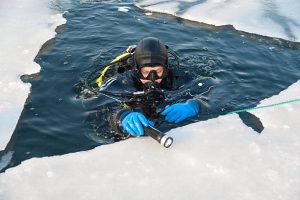
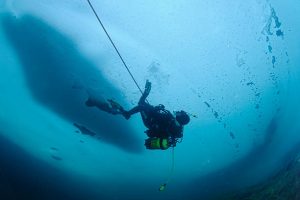
You won’t find a better time to get into the winter spirit than practicing ice diving. What will encourage you to do that is the many cold-water dive spots, such as the Silfra Rift in Iceland, that offer crystal clear conditions in addition to the impressive visibility.
The Ice Diver course is one of the PADI specialities for winter and considered the best option for scuba divers wanting to take their skills to the next level by learning about different types of ice, the several impacts of cold water diving, safety protocols, in addition to the ideal way to use ice diving equipment as well as safety lines.
Enriched Air Diver Speciality Course:
At some point in your dive, you’ll wish for a few extra minutes down there. By using the skills you have learned in the Enriched Air Diver speciality course, you will be able to dive for a longer period, take shorter surface intervals and get back in the water sooner. This course includes optional dives, which makes it an ideal course to take in colder months.
Dry Suit Diver Speciality Course:
Nothing is worse than ending your dive because you’re feeling cold. With the Dry Suit Diver course, you will make sure to stay warm in colder conditions in addition to being able to decide the best drysuit style for your needs, how to properly maintain your suit, reaching neutral buoyancy control in addition to understanding the proper dive safety protocols.
And with all of that you will learn, You won’t get cold and have to stop diving.
Rebreather Diver Speciality Course:
There is no reason to feel intimidated from the technical aspect of the rebreather course, especially when you know that diving without bubbles allows for up-close encounters with critters.
With this six-dive course, you will understand the settings of the manufacturer for the specific rebreather they are using, the proper way to conduct predive checks, displays and gauges, bubble checks, maintenance in addition to how to prevent and handle emergencies.
Then, Just enjoy the rebreather perks, including longer dives, less gas consumption, and more and more fish.
Peak Performance Buoyancy Speciality Course:
With your good scuba skills that enables you to maintain a perfect buoyancy, you also can maintain your air consumption but with less ability to bump against the reef. In turn, you’ll also get a much more relaxing diving experience.
With this two-dive course, scuba divers can whittle down their weight system, learn how to trim gear for better air use as well as mastering the art of hovering.
Ready to get started today? Enroll in one of these 5 PADI Specialties for winter at our PADI Dive Center (DRAR DIVING CENTER).