As a new Open Water scuba diver, you may be overwhelmed when determining what’s next after scuba certification. Keep in mind that completing your class wasn’t a small achievement, and the concepts you’ve learned are designed to help you glide smoothly into the underwater world.
You’ve mastered essential scuba skills with which you can stay safe underwater and now your new scuba certification is in your hand.
So, what’s next after scuba certification? As an expert from DRAR, there are four key actions newly-certified Open Water Divers should take to fully benefit from their certification and continue their underwater journey.
What’s Next After Scuba Certification?
Getting your scuba certification is an impressive achievement, however, it is considered your first step in your journey into an amazing new hidden world. Your next steps should involve:
- Finding dive spots.
- Choosing between buying or renting scuba gear.
- Continuing your scuba diving education.
Look for Your Next Dive
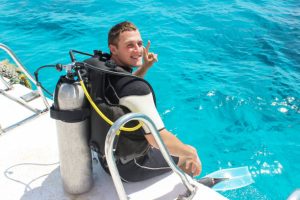
Take your time to celebrate by planning your next adventure. You could explore a nearby lake or beach, or look for a luxurious getaway to a scuba diver’s paradise, such as the Caribbean or the coastal U.S.
No matter what you decide to do or where you go, take your time to appreciate your surroundings. It’s okay to feel proud, you’ve taken a big step forward.
Dive, Dive, Dive!
It may seem obvious, but gaining more diving experience and becoming comfortable underwater is important before deciding to take another certification.
It is highly recommended to spend time in the water before delving into your next certification class.
After completing the open water diver course and getting the certification, look for opportunities to practice and gain more underwater experience. Book dives with the facility where you were certified or with any local scuba shops.
Sharpen your scuba skills and evolve as a scuba diver. You may even make lifelong friendships with unforgettable memories in the process. Remember, despite the Open Water certification isconsidered a “beginner cert,” you’ll still be able to enjoy some incredible dives!
Choosing between Buying or Renting Scuba Gear
Buying your own gear can be costly, but if you have a scuba certification, it’s likely that you’re practicing scuba diving regularly. There are pros and cons to both buying and renting scuba diving equipment.
You can rent gear from different places to find what you prefer before deciding to buy yours. This enables you to select gear that suits you and gives you sufficient time to become familiar with it and also to adjust it to fit your specific body and needs.
In most scuba courses, you will have to buy your own scuba mask, fins, and snorkel. Certain items, such as a wetsuit, may need to be adjusted based on the conditions. Additionally, some gear might be too bulky to be transported easily.
However, a mask and regulator are crucial pieces for scuba diving, and will likely be from the first pieces of gear you’ll want to secure while beginning your journey.
As you dive more, you’ll need to expand your own gear collection. Knowing your equipment thoroughly is crucial, especially while progressing to advanced certification classes and more challenging dives.
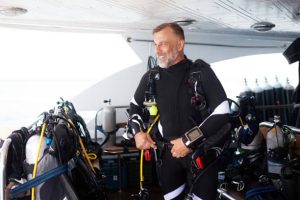
Continue Your Education
Getting your open water certification is just the beginning of the story. Continuing education programs, such as specialty diver courses and advanced certifications are waiting for you.
Remember that “advanced” doesn’t mean you need to be an expert at the beginning, but these programs are designed to help you progress beyond the basics.
Advanced Certification Courses
After getting your main scuba certification, you can find many certification boards that provide advanced classes that build on your acquired skills with a set of dives designed to challenge you in specific new ways.
These courses usually begin with a set of required dives, including underwater navigation, deep diving, and may also involve other dives like low-visibility diving.
After that, you can choose from different specialized dives, such as underwater photography, search-and-rescue, sidemount diving (which requires a rented or purchased sidemount wing), and dry diving (which requires a rented or purchased dry suit).
Deep Diver Specialty Course
For the deep diver classes, you will need prerequisite coursework to be prepared for the challenges of deep diving. These courses cover dives up to 40 meters (130 feet) and teach you to use specialized equipment for deep dives.
You will get special training in deep dive safety, including gas supply management and how to handle nitrogen narcosis underwater. You will need to purchase a dive computer along with your regular scuba diving equipment.
Rescue Diver Certification Course
In the Rescue Diver Certification Course, you will learn the proper way to assist divers in distress. You’ll be trained in self-rescue methods and how to manage stress in scuba divers to prevent emergencies.
You’ll be trained on the proper way to use specific emergency equipment and rescuing panicked or unresponsive divers. It is necessary to buy a pocket mask for practicing resuscitation.
Get Certified and Go Explore!
Scuba diving opens the door to a fascinating part of the planet that few get to witness its wonders. It’s a remarkable experience that is well worth your time and effort. Your certification is just the beginning—get it done and go explore!