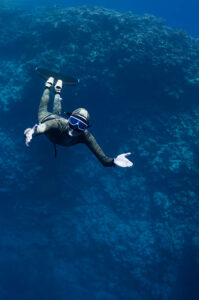
Making sure your dive wetsuit fits properly is key for comfort and warmth. A well-fitted suit keeps you warm on multiple dives and makes swimming and exploring underwater easier.
A poorly fitted wetsuit can ruin your dive by restricting movement if too tight, or by allowing water to circulate if too loose, leading to rapid heat loss. This articles provides tips on choosing the perfect wetsuit size for a better scuba diving experience.
How to find the Perfect Wetsuit Size?
Choosing the perfect wetsuit size is crucial for performance and warmth. It should fit like a second skin, snug enough to prevent water entry but not so tight that it restricts movement or breathing.
Avoid excess material in areas like armpits, lower back, and behind the knees to prevent chafing and discomfort. A well-fitting wetsuit maintains a thin, warm layer of water between the suit and your skin, aiding in insulation.
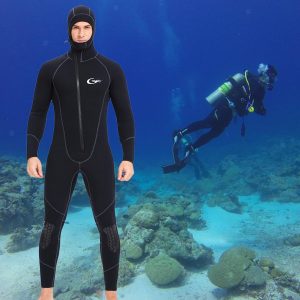
What to Consider When Choosing the Perfect Wetsuit Size?
Consider these key factors when choosing the perfect wetsuit size:
- Body Type: Whether you need a plus size wetsuit for women, a wetsuit size for children, or men’s wetsuit size, it should fit like a second skin, providing flexibility and warmth. Take into account your weight, height, and body proportions. Wetsuit sizing charts usually categorize individuals according to these aspects.
- Experience Level: For beginner scuba divers, a snugger fit can offer more security and comfort underwater. As you become more experienced and confident, you might prefer a slightly looser fit for better mobility.
- Brands: Various wetsuit brands (such as Xcel, Quiksilver, Henderson, Roxy, …etc) have different sizing charts, typically following an XS to 3XL scale. Accurate measurements are crucial for the best fit, though your clothing size can serve as a starting point.
- Personal Preference: the perfect wetsuit size comes down to personal choice. Test different sizes and styles to see what feels most comfortable and allows for free movement.
Achieving the Ideal Wetsuit Fit
Choosing the perfect wetsuit size is essential for a pleasant and safe diving experience. A properly fitted wetsuit ensures warmth, comfort, and freedom of movement underwater. Here’s how to find the perfect fit:
- Snug but Not Restrictive: The wetsuit should fit closely without hindering your breathing or movement. If you feel restricted or can’t bend easily, it’s likely too small.
- Trapping a Thin Water Layer: A wetsuit’s effectiveness depends on trapping a thin water layer between your body and the neoprene, which your body then heats to provide insulation. If water is moving around inside, the wetsuit is too loose, and you’ll get cold.
- Minimal Wrinkles: A wetsuit should fit without excessive wrinkles. It’s normal to have minor folds in the groin, knees, and armpits for flexibility, but if there are too many wrinkles, this can be an indication of a wrong size.
- Lower Back Comfort: Make sure your wetsuit fits snugly around the lower back in order to reduce water entry and prevent any heat loss.
- Genital Area Fit: Ensure the wetsuit fits comfortably in the genital area (not too tight or too loose) to prevent discomfort and chafing.
- Secure Ankles and Wrists: A tight fit around your ankles and wrists prevents the entry of water and heat loss. Flexible straps can help with a looser fit.
- Proper Length: Ensure the wetsuit matches your body length. If it’s too short or long, a two-pieces option will have a better fit.
- Hood Comfort: If you choose a tight hood, this may lead to headaches and neck discomfort. Choose one that tighty fits without restricting your head or neck.
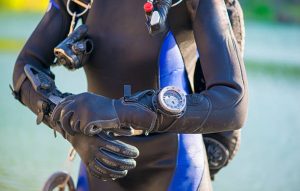
Is it better to size up or down in dive wetsuits?
If you’re between wetsuit sizes or at the upper end of one size, it’s usually best to size up. Wetsuits are designed to fit snugly, like a second skin, without limiting movement. Choosing the larger size ensures flexibility and comfort during extended water activities.
A slightly larger wetsuit can better accommodate minor changes in body size and provides better comfort and freedom of movement compared to one that is too tight.
A well-fitting wetsuit keeps you comfortable and maintains thermal insulation, ensuring you won’t get too cold in the water. The right size diving wetsuit fits perfectly and allows unrestricted movement. Try different sizes and brands until you find the best fit for your body shape. A snug, comfortable wetsuit enhances the diving experience.
Wetsuits feel tighter when dry
Wetsuits are designed to feel tighter when dry and loosen slightly once filled with water, which is essential for their insulating properties. Manufacturers account for this slight expansion. Proper care before scuba diving or engaging in watersports is crucial for the suit’s longevity and performance.

Front zip vs back zip diving wetsuits
A major benefit of back zip wetsuits is the easier entry they provide. The long zipper along the back makes putting on and taking off the suit simpler, especially for beginners.
Back zip wetsuits offer more room to maneuver, beneficial for broader body types, but the zipper can be hard to reach without help. On the other hand, front zip wetsuits fit snugger but allow users to zip themselves in and out more easily.
Unlike back zip wetsuits, many front zip versions stop at the sternum. This design reduces the amount of neoprene around the neck, decreasing the likelihood of feeling restricted or uncomfortable in that crucial area. This feature is particularly beneficial during long periods in the water, offering enhanced comfort and freedom of movement.
The ease of zipping oneself in and out without assistance also adds to the convenience, making front zip wetsuits a popular choice among divers who value both comfort and independence.
Should I get a 3mm or 5mm wetsuit for diving?
When the temperature of the water is between 21–29°C (70–85°F), use a 3mm wetsuit. While in temperatures between 15–21°C (60–70°F), a 5mm wetsuit will be a better option
In conclusion, choosing the best wetsuit size starts with your basic measurements and trying on different sized and styles untill finding the correct fit. It should fit tightly, like a second skin, without restricting your movement.
Focus on potential stress points, avoid excessive folding, and ensure a comfortable fit both in and out of the water. A well-fitting wetsuit is crucial for comfort and insulation. Don’t rush the process; take your time to find a wetsuit that enhances your diving experience.