Altitude diving offers unique diving experiences at high altitude dive sites. These locations boast diverse wildlife.
If you are interested in this type of diving, you can consider this article as your guide to know the best dive sites for altitude diving around the world and what do the wildlife and ecosystems at altitude diving look like?
Best Dive Sites for Altitude Diving
If you are interested in altitude diving and wonders about where in the world you can make an unforgettable altitude dive, here are best 8 dive sites for altitude diving around the world:
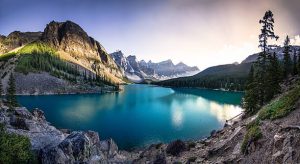
Lake Titicaca in Bolivia/Peru
Altitude: 3812 meters (12507 feet).
Lake Titicaca in Bolivia which is known as the highest navigable lake worldwide will provide you with a rare chance to see submerged terraces and ancient Incan ruins. It is one of the popular destinations for altitude divers due to its stunning blue waters with its rich cultural history.
Lake Tahoe in california/Nevada USA
Altitude: 1897 meters (6225 feet).
It is a gorgeous freshwater lake which is located in the Sierra Nevada foothills. It is characterized by its clear water with good visibility reaching 21 meters (70 feet).
In Lake Tahor, there are a range of dive sites for both beginner scuba divers and advanced ones, these sites range from fantastic rock structures to historic wrecks..
Lake Geneva in Swiss Alps/Switzerland
Attitude: 372 meters (1220 feet).
Lake Geneva which is known as Lac Léman is one of the largest lakes in Europe. This lake is located in the heart of the Alps and is characterized by its crystal blue waters that provide scuba divers with breathtaking underwater views of snow-capped peaks, that makes your dive the perfect diving experience.
Lake Atitlán in Guatemala
Altitude: 1562 meters (5125 feet).
This lake is surrounded by volcanoes and lush greenery. It is a geological wonder, as it was formed 84000 years ago as a result of an enormous volcanic explosion.
This lake is characterized by deep blue waters which hude forests and volcanic wrecks which form a kind of underwater landscape.
Lake Päijannevin Finland
Altitude: 104 meters (341 feet).
Although this lake isn’t as elevated as other altitude dive sites mentioned in this list, it is considered the second largest lake in Europe.
The lake also offers icy cold dives thanks to its clear Nordic waters. You can enjoy them while exploring rock formations in underwater caves.
Lake Baikal in Russia
Altitude: 467 meters (1532 feet).
Lake Baikal is considered the deepest and oldest freshwater lake in the world that offers mysteries spanning eons. Its age and sheer depth mean there are unique flora and fauna.
You can also ice dive here during winter months. It will be a surreal experience with the crystal clear visibility beneath the lake’s frozen surface.
Quarry Lakes in Colorado USA
Altitude: 2438 meters (8000 feet).
These lakes which formed by earlier mining operations are located in Colorado’s Rocky Mountains. In these remote dive sites, you will have an unforgettable dive with its crystal-clear waters and varied landscapes.
The combination of both the altitude and mountainous scenery make for a fantastic dive.
High Altitude Dive Pools in Switzerland
Altitude: some more than 3048 meters (10000 feet).
If you are one of those individuals who enjoy combining adventure and luxury, then Swiss resorts are your best choice, as some of them provide high-altitude dive pools.
While lacking natural scenery, they are good dive sites to train and acclimate to the conditions of altitude diving.
Wildlife & Ecosystem at Altitude Diving
Diving at an altitude diving destination is a special dive with a very different ecosystem from diving in the ocean. The ecosystems in elevated freshwater formed by different climatic and geographic processes containing a wide diversity of marine animals that have adapted to the surroundings ng environment.
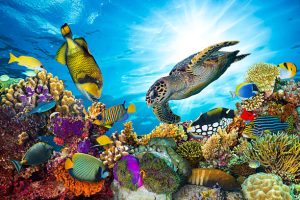
Freshwater Marine Animals
In altitude diving sites, you can see both fascinating and unusual biodiversity of marine life. At first, you may think that altitude lakes are less vibrant than the colorful reefs of the oceans, but when you examine it closely, you will find a plethora of freshwater creatures that have been developing over centuries.
When scuba diving at Lake Baikal in Russia, which is the deepest and oldest lake in the world, you will see the baikal seal which is the only freshwater seal in the world, in addition to unusual amphipod crustaceans.
At Lake Titicaca which you can find between Peru and Bolivia, you can see enormous frogs living there. These frogs adapted themselves to the surrounding oxygen-depleted environment as they developed extra skin folds that allow them to breathe.
Flora and Vegetation
You can notice that the vegetation in the altitude lakes is different from that you find in the ocean.
There are freshwater aquatic plants covering the bottom of these lakes. These plants play an essential role in the survival of the ecosystem by creating oxygen as well as providing shelter to smaller marine life species.
You can also see strange blooms of algae and beds of freshwater grasses. Theftrquent thick underwater forests created from these plants provide a safe habitat for a lot of marine tiny organisms that range from numphs to larvae which represent food for larger predators.